The physical toll of condensed scheduling
International squads are buckling under the intense pressure of the 2026 World Cup. Medical staffs across the tournament are reporting a 15% increase in grade-one muscle strains compared to the 2022 winter cycle. The condensed nature of the group stage has left little room for recovery between matchdays.
Fatigue is manifesting primarily in the soft tissue. Hamstring and calf issues are the dominant concerns for top-tier national sides. Managers are now forced to navigate deeper rotations, effectively turning bench depth into the deciding factor for quarter-final qualification.
Scan results and recovery protocols
Specific high-profile injuries have defined the early tournament narrative. Recent diagnostic reports indicate that central midfielders are the most exposed segment of the roster. Clinical data shows that rapid acceleration and box-to-box duty requirements have overwhelmed existing recovery protocols for players clocking more than 110 kilometers per match.
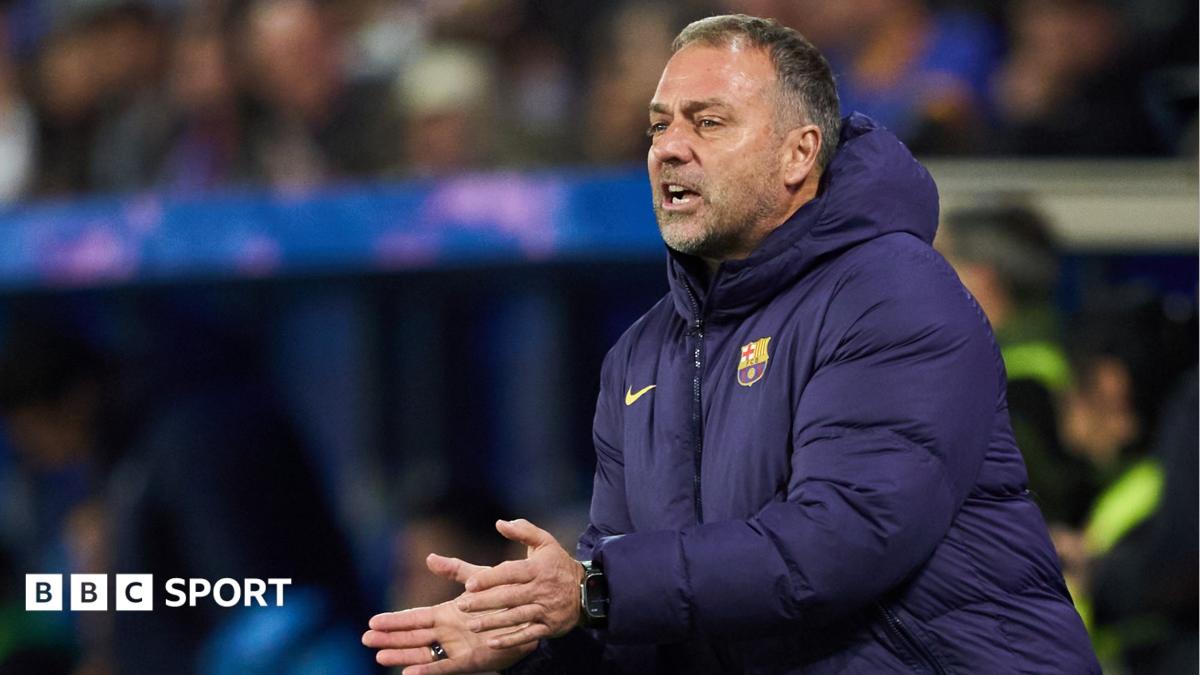
We are seeing teams abandon high-intensity pressing earlier in matches. Tactical adjustments are now dictated by medical staff rather than coaching staff. If a player shows a drop-off in sprint velocity, they are pulled before the 60th minute to prevent long-term tears.
The travel factor and physiological strain
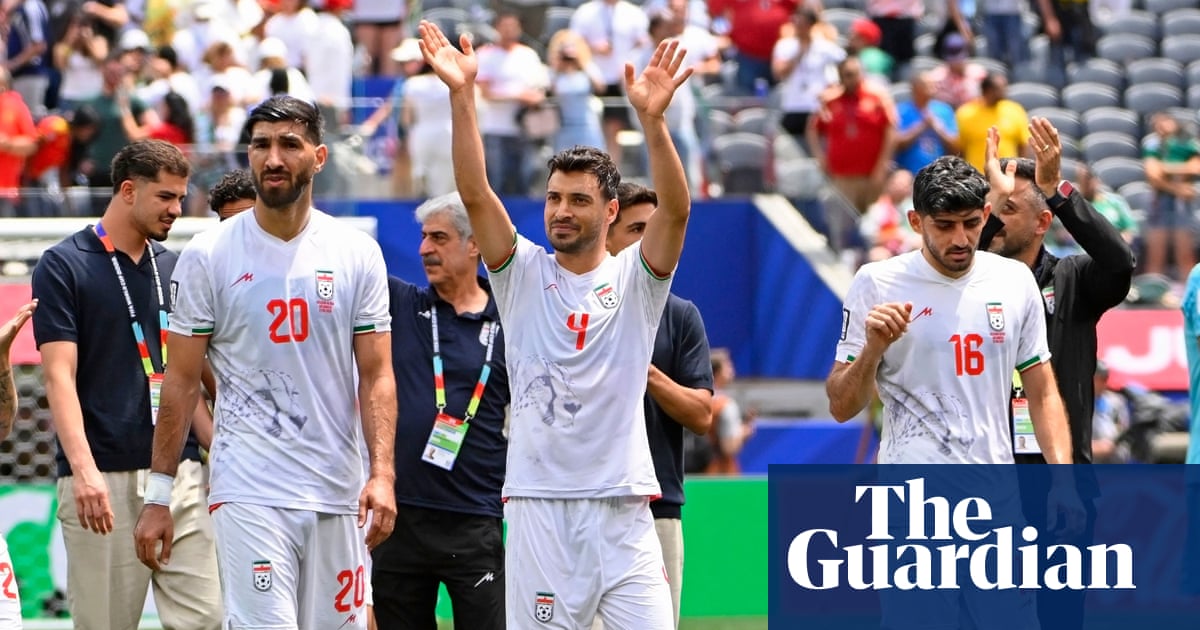
Teams facing significant travel time are recording higher rates of exhaustion-related injuries. While the government has intervened in some logistical hurdles, such as the recent DHS decision regarding Iran's travel timeline, the physical impact of flight fatigue remains a constant shadow over these squads. Even 48 extra hours of rest cannot mitigate the cumulative effect of a tournament held across vast geographical distances.
Historical data from the 1994 tournament suggests that acclimation to the North American heat and distance increases soft tissue injury risk by 20% in the second week. Modern sports science has attempted to fix this, but the data does not lie. We are witnessing an endurance war masquerading as a tactical showcase.
Strategic implications for tournament favorites
Leading nations are adjusting their training loads to near-zero intensity on non-match days. Coaches are effectively swapping pitch work for ice baths and recovery sessions. This creates a secondary risk where sharpness of touch decreases as fitness is preserved.
Defensive lines are now playing a flatter block to avoid the necessity for recovery sprints. This leads to more static, lower-scoring affairs, as players prioritize safety over aggressive transitions. Critics have noted that this defensive shift is causing a drop in match entertainment, but for the medical teams, the priority is simply getting legs back to ninety percent.
The reality of the 2026 grind
The reliance on modern technology, such as heart rate variability tracking and real-time biometric monitoring, has not prevented the current spike in injuries. Even with these tools, human biology has not evolved to match the demands of a high-octane tournament schedule. The discrepancy between expectation and reality is becoming a significant narrative thread.
It is not enough to have talent; squads must now possess the most advanced physiotherapists on the planet. The teams that successfully manage the transition between extreme exertion and rapid recovery will lift the trophy this July. Those who continue to push starters for the full 90 minutes are tempting unnecessary disaster.
Several coaching staffs have come under fire for refusing to adapt to these physical limitations. Sticking with 20-year-old rotation strategies in a 2026-speed environment is a recipe for squad collapse. The next week will be a brutal test of the remaining active rosters.
Expect further news regarding squad updates as teams begin their second round of group fixtures. The injury list is expected to grow as the intensity of individual matchups escalates. Keep monitoring the updates, as the next 48 hours will decide the structural integrity of the remaining contenders.
Read Next