Refereeing inconsistency is putting players at risk in Qatar
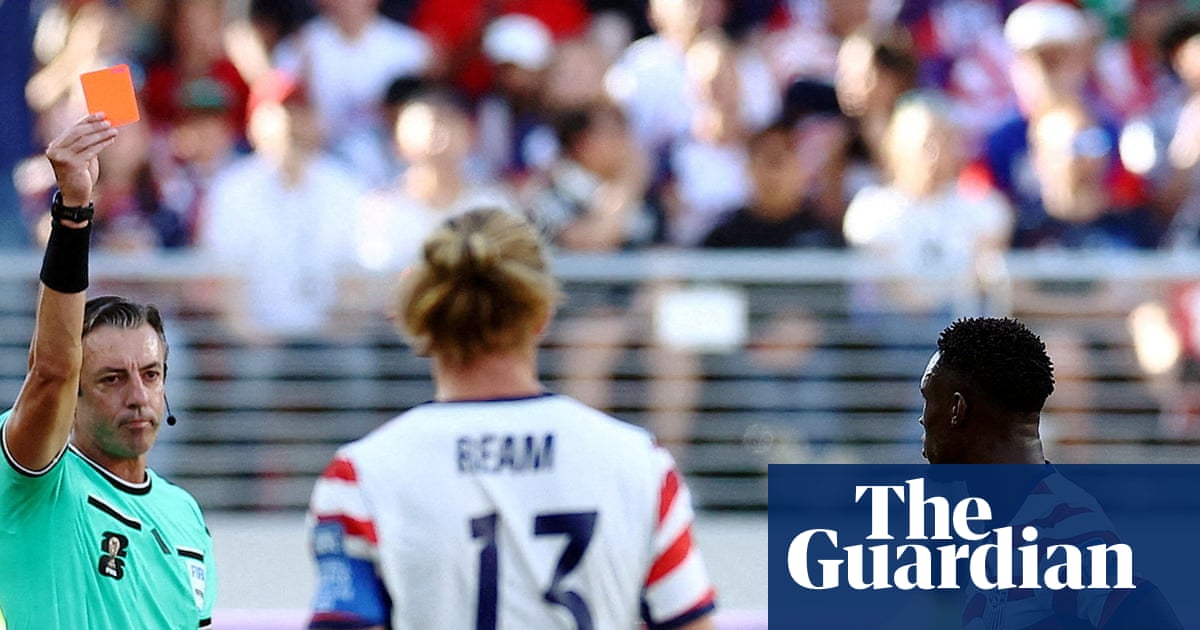
The officiating standards at this tournament have shifted from questionable to dangerous. Over the opening two weeks of group stage play, a distinct lack of uniformity in card distribution has created a volatile environment for players on the pitch. When referees fluctuate between allowing excessive physical contact and handing out soft yellow cards, they lose control of the game pace, leading to uncontrolled challenges.
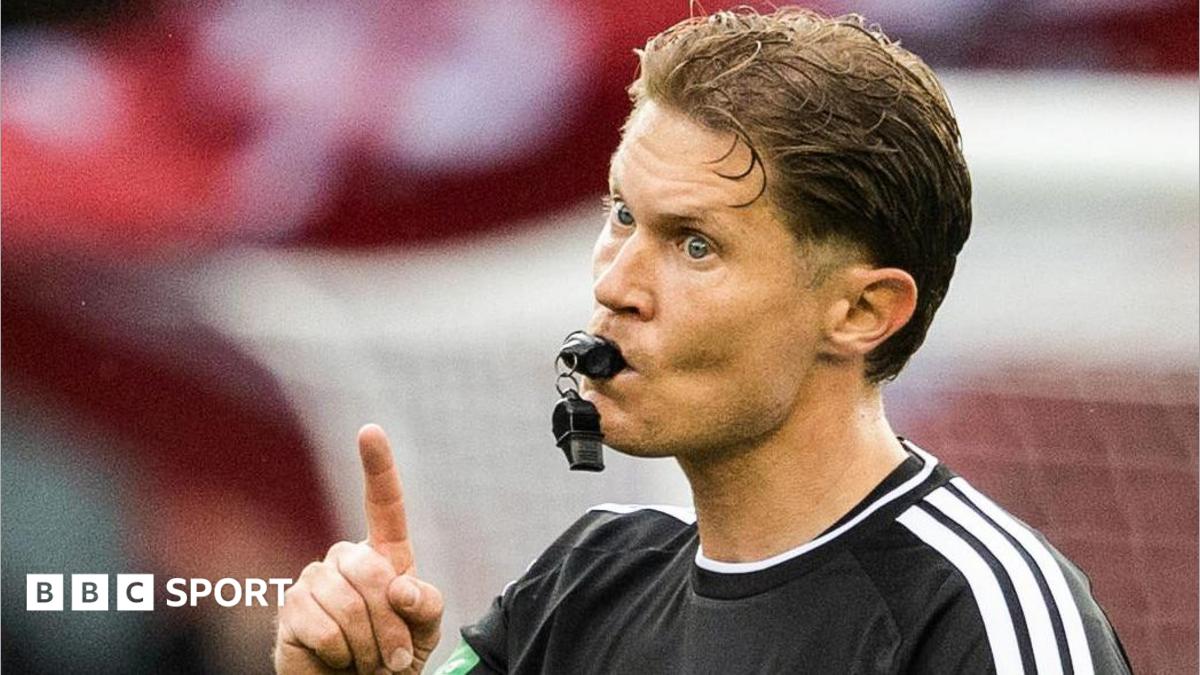
Reports surrounding the upcoming Norway vs Senegal match highlight a growing anxiety among team medical staffs. The official assigned to that fixture has already logged a high volume of red cards during this cycle, creating a ripple effect. Players are now entering the match with a defensive mindset, bracing for physical impact rather than focusing on tactical execution.
The medical toll of aggressive officiating
When the threshold for fouls is murky, players tend to overcompensate. This is exactly how soft-tissue injuries occur. Instead of controlled tackles, you get players flying into challenges to demonstrate dominance before the referee sets their tone for the match.
We have seen this pattern throughout the group stages. The injury rate remains elevated in groups where officiating has been inconsistent. Medics are reporting a rise in ankle sprains and lateral ligament tears, primarily caused by awkward defensive landings following late, desperate tackles. The 14-day recovery window for Grade 2 sprains is the industry standard, but it often stretches when the scheduling doesn't allow for proper recovery cycles.
Tactical implications for Group I and J
Groups I and J are currently dealing with the most significant impact regarding squad rotation. As ITV analysts have noted, the physical toll of back-to-back high-intensity matches, combined with referee-induced stoppages, is forcing managers to gamble with fitness. If a manager pulls a star player early to save them from a potentially injurious tackle, they risk losing the game to preserve the roster.
This is a strategic failure. The tournament planners assumed that standard officiating protocols would be sufficient, but the reality on the ground contradicts that. We are left with a situation where a manager's success in late-stage games is determined as much by the luck of a referee's appointment as by the caliber of their squad depth.
Historical context of referee-player tension
History suggests that tournaments with officiating lapses require a mid-cycle re-education of protocol. In the 2014 tournament, the early phase saw a similar surge in card counts, which eventually forced FIFA to issue a private mandate for refs to 'let them play' to avoid mass player fatigue. That shift resulted in a sudden spike in minor injuries because players were suddenly catching heels and legs in unregulated speed duels.
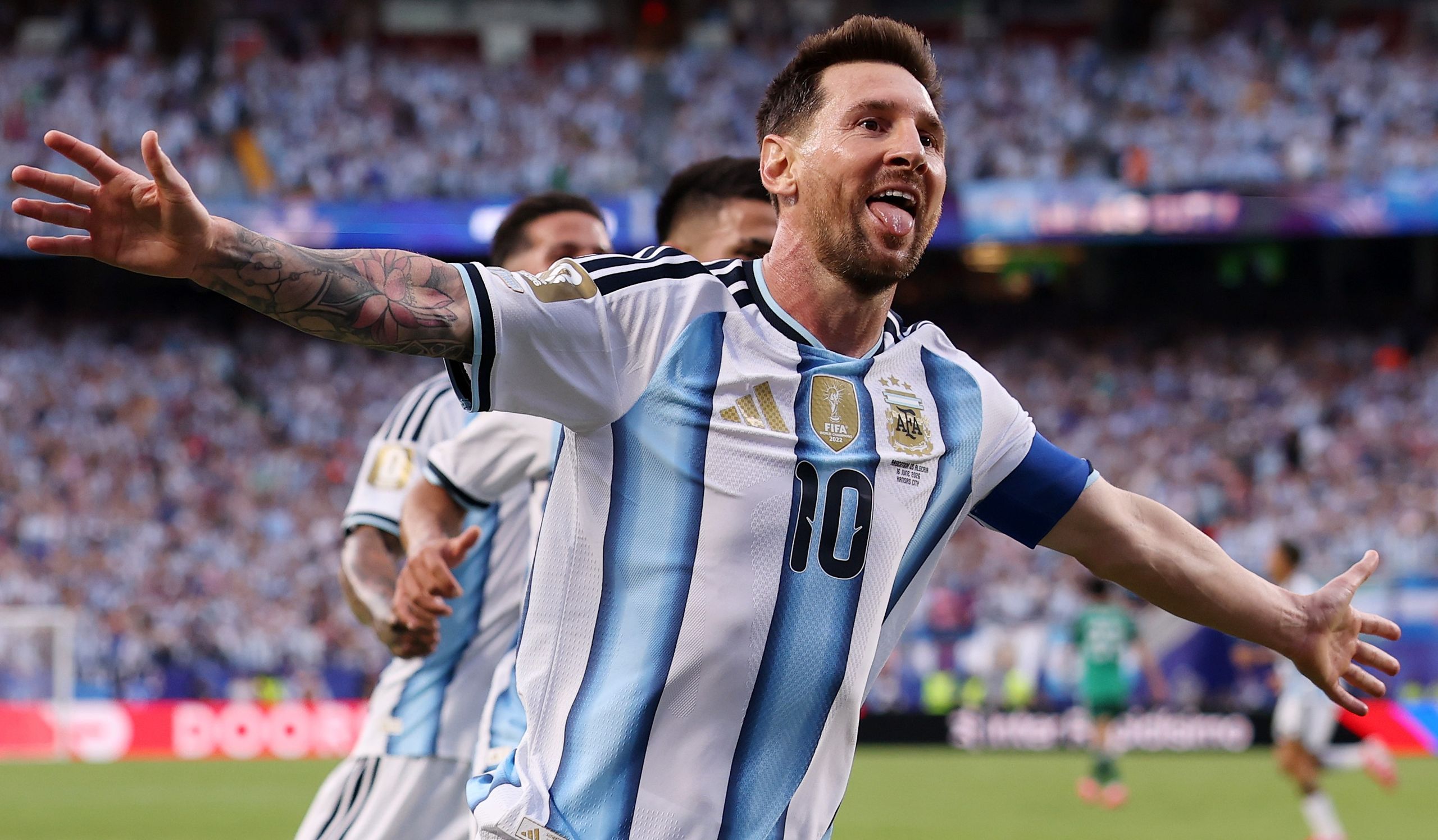
The current cycle is trending toward a similar pivot point. The risk to teams like Argentina and France, both of whom have considerable momentum, is that they face opponents who realize the officials are not effectively policing the area around the penalty box. A single reckless tackle in a game between title favorites could define the next decade of national team success, all because the officiating threshold was left to individual discretion rather than strict, clear guidelines.
The bottom line on fitness management
The current average of 3.4 yellow cards per game is unsustainable. It forces a change in playing style that fundamentally alters the sport. For the players, the message is clear: expect the worst from the man in the middle, and adjust your balance and landing mechanics accordingly. It is a bleak state of affairs, but it is one that top-tier squads must navigate if they expect to survive the tournament without losing their primary rotation to the medical bay.
The burden of accountability rests with tournament organizers who continue to promote referees based on past reputation rather than current performance consistency. Until coaching staffs feel confident that a card-happy referee will provide a safe space for high-skill players to operate, we will continue to see the most talented assets on the pitch neutralized by reckless contact. This is not a matter of style; it is a matter of basic workplace safety in a high-stakes environment.
Read Next
- Thomas Tuchel wants England to tighten up before Ghana test
- Jeremy Doku’s World Cup availability in question after emergency flight home
- Messi is still gaming the physics engine of football at 38
- Antoine Semenyo dealing with late fitness hurdle ahead of England clash
- 🏆 World Cup 2026 — Full Coverage Hub