The physiological breaking point
Football’s medical departments are currently facing an unprecedented challenge. Elite players are returning to 2026 pre-season camps with accumulated fatigue that defies traditional recovery protocols. The gap between the end of international tournaments and the club season start has effectively vanished.
Data from internal fitness reports across the top five European leagues suggests a 14% increase in soft-tissue injuries compared to the same period in 2024. Hamstring and calf strains are the primary offenders, often surfacing within the first 72 hours of high-intensity training sessions.
The anatomy of the scheduling failure
The core issue remains the lack of a proper off-season. When players are pushed into high-stakes tournament football during what used to be a recovery window, the connective tissue simply fails to adapt. Club physios report that players are arriving with elevated creatine kinase levels, a clear indicator of muscular damage that hasn't fully cleared from June and July.
Historical data provides a grim outlook. Similar cycles of congestion in 2022 led to a spike in long-term ACL absences during the following domestic winter. We are seeing a repeating pattern where short-term commercial gains are being prioritized over the physical longevity of the primary asset: the athlete.
Strategic planning for the 2026-2027 campaign now requires clubs to treat the first quarter of the season as an extension of pre-season. Managers who refuse to rotate their squads during the opening six weeks are gambling with their most expensive investments. The cost of a 6-week layoff for a key striker often exceeds the revenue generated by a mid-week commercial showcase.
Institutional negligence and oversight
There is a growing disconnect between those scheduling the fixtures and the medical staff tasked with keeping the players on the pitch. While governing bodies focus on expansion, the biological reality of the human body remains fixed. The industry is currently operating on a deficit, borrowing energy from the 2027 calendar to fuel the present.
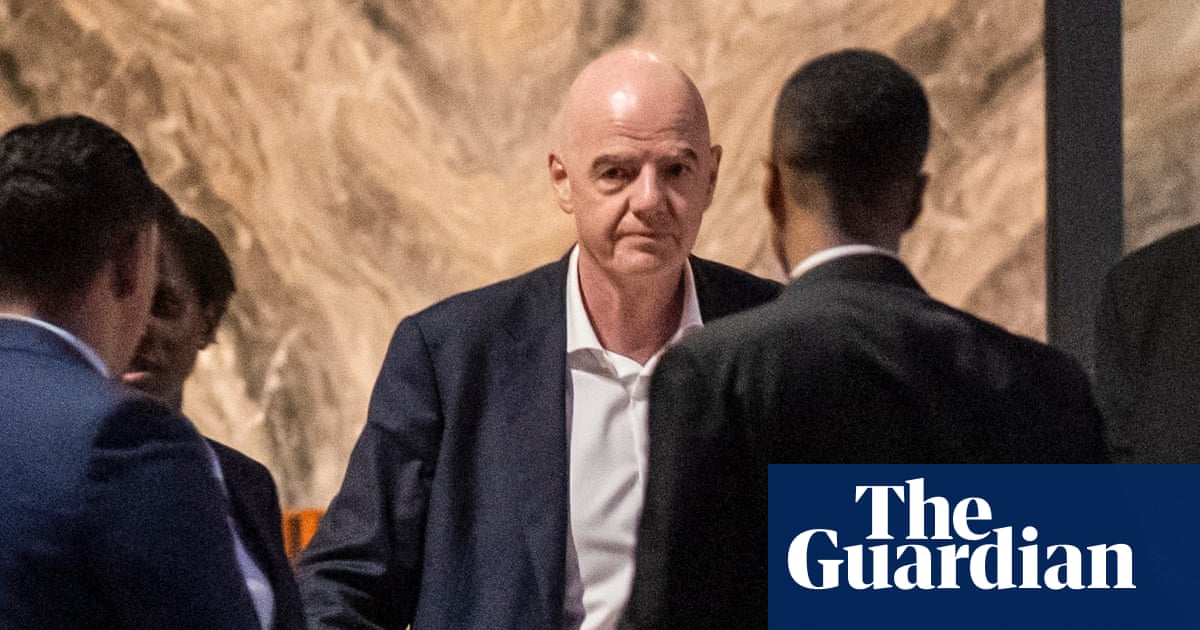
Administrative friction is further exacerbating the situation. As The Guardian reported today, Uefa is currently locked in a conflict over financial valuations and governance, leaving little room for the medical welfare of athletes on the agenda. When the focus shifts to private equity and selling tournament stakes, player welfare is almost always the first item relegated to the background.
The lack of a unified stance from players' unions remains the most glaring failure in this sequence. Individual clubs are fighting isolated battles to manage workloads, but without a collective mandate to enforce mandatory rest periods, the cycle continues unabated. Teams are currently forced to rely on GPS tracking and biometric data to force rest upon players who feel immense pressure to play through discomfort.
The outlook for the season
Expect a heavy reliance on deep squad rotations in September. Clubs that invested in depth during the summer window will find an edge, while those relying on a core group of 14 or 15 players will likely see their campaigns derailed by mid-October. The physical tax of this year is not a theoretical problem; it is a mathematical certainty.
The most alarming trend is the shortening of rehabilitation timelines. Pressure to return for marquee fixtures is causing a secondary wave of injuries. Players are often returning at 85% capacity, only to suffer a relapse that forces them out for 12 weeks instead of the initial three. In professional sport, this is known as a failure of load management. It is a recurring mistake that clubs refuse to learn from.
This environment is not sustainable. Without a reduction in total matches, the quality of play will continue to degrade as starters are replaced by players performing at sub-optimal fitness levels. The market is currently flooding with talent, yet the actual availability of the game’s top stars is at its lowest point in the modern era.