The Defining Shifts of 2026
Football moves at the speed of the transfer market and the tactical adjustments made on the training pitch. The following ten moments defined the current year, capturing the tactical evolution and financial volatility that currently dominate the sport.
1. Ipswich Town's Aggressive Midfield Overhaul
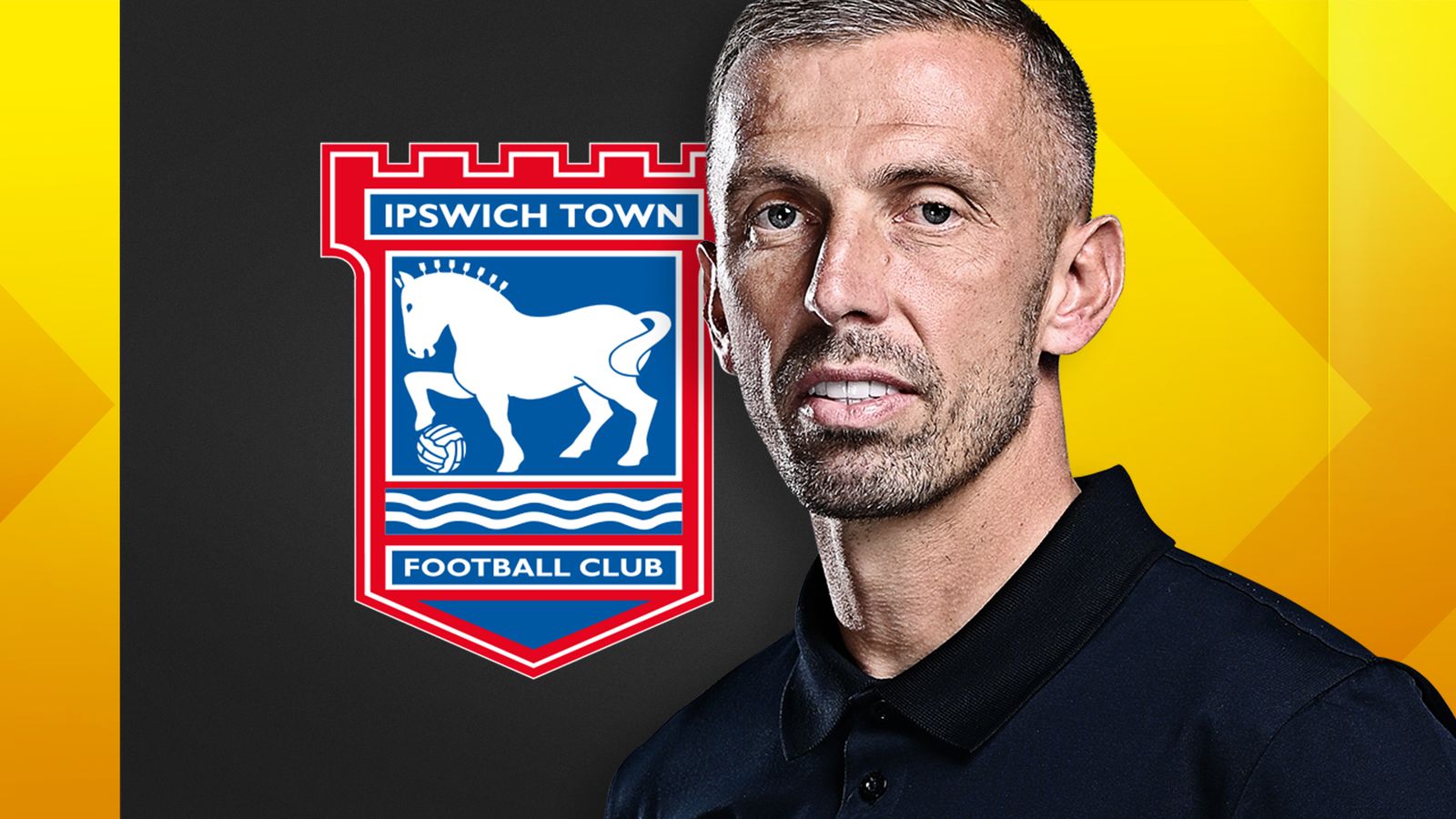
Ipswich Town recently finalized a high-profile move for a key midfielder arriving from Burnley. The deal signals their intent to solidify a squad capable of surviving the rigors of the top flight. It ranks first because it marks a clear departure from cautious spending toward a more assertive, data-backed recruitment strategy.
2. The Mid-Season Managerial Volatility
Clubs across Europe saw an unprecedented firing rate in early 2026, leading to a scramble for tactical identity. Sporting directors opted for younger, data-obsessed coaches rather than proven veterans. The trend underscores a desperate attempt to optimize performance in a condensed calendar.
3. The Tactical Shift Toward Three-At-The-Back
Top-tier teams abandoned traditional back-four setups in record numbers this season. This tactical evolution forces opponents to rethink pressing structures and wide-play transition defense. It sits high because it dictates how nearly every top club approaches their weekly game plan.
4. The Sustainability Regulation Implementation
League governing bodies introduced stricter caps on wage-to-turnover ratios, forcing massive salary dumps. Many clubs suffered immediate competitive dips due to losing core talent to meet these mandates. The administrative pressure is arguably the most influential factor in how rosters look this summer.
5. The Rise of the Wide-Creator Role
Traditional wingers disappeared, replaced by hybrid creators who tuck inside to operate as secondary number tens. This pivot has rendered old-school fullbacks nearly obsolete in defensive transition. Fans have debated the merit of this change, as it leads to more goals but leaves defenses exposed.
6. Elite Academy Prospect Breakouts
Young talents aged 17 and 18 are seeing more minutes than at any point in the last decade. Financial constraints forced clubs to stop buying depth and start promoting from within. This is a positive development for international development, though it increases the risk of burnout for these teenagers.
7. The VAR Protocol Adjustment
The latest directive to allow referees more leeway on subjective calls has sparked weekly protests from fans and players. While it speeds up the game, it created a massive inconsistency in how fouls are whistled. The confusion surrounding these officiating standards remains a black mark on the current season.
8. Mid-Season Performance Tracking Integration
Teams now utilize real-time biometric feedback to rotate players during matches, impacting substitution patterns significantly. This integration removes the guesswork from conditioning but frustrates supporters who want to see stars play full ninety-minute shifts. It highlights the friction between sports science and entertainment value.
9. The Decline of the Target Man
The classic aerial-focused striker is fading in favor of fluid, pressing-heavy front lines. Even clubs that historically relied on target men have pivoted toward technical, ground-based play. This transition has arguably made the game faster but robbed it of stylistic variety.
10. The Streaming Revenue Crisis
Broadcasters are struggling to maintain current subscription fees as younger audiences move toward condensed highlights. This financial pressure is beginning to trickle down to club transfer budgets, forcing teams to trim academies. The long-term threat to club stability is significant and often overlooked by pundits.
Honorable Mentions
The continued struggles of legacy clubs to adapt to modern scouting metrics nearly made the list. Similarly, the surge in long-range shooting effectiveness as keepers play higher lines deserves note. As Sky Sports reported, the transfer window remains the primary mechanism for these shifts in power.
Read Next