Measuring the massive revenue shift
The 2026 World Cup has morphed into a high-stakes financial arena where the broadcast rights and commercial partnerships are dwarfing historical precedents. According to recent analysis from the BBC, the tournament isn't just a sporting event anymore. It is an exercise in resource concentration that favors major conglomerates over the grassroots clubs that feed the pipeline.
The expansion to 48 teams has provided more inventory for broadcasters, yet the dilution of quality remains a persistent concern. We are seeing more matches, certainly, but the drop-off in tactical rigor during the group stages is glaring. FIFA has successfully ballooned the volume of content, but they have done so by sacrificing the scarcity that traditionally defined the tournament's gravity.
The infrastructure gamble and the local cost
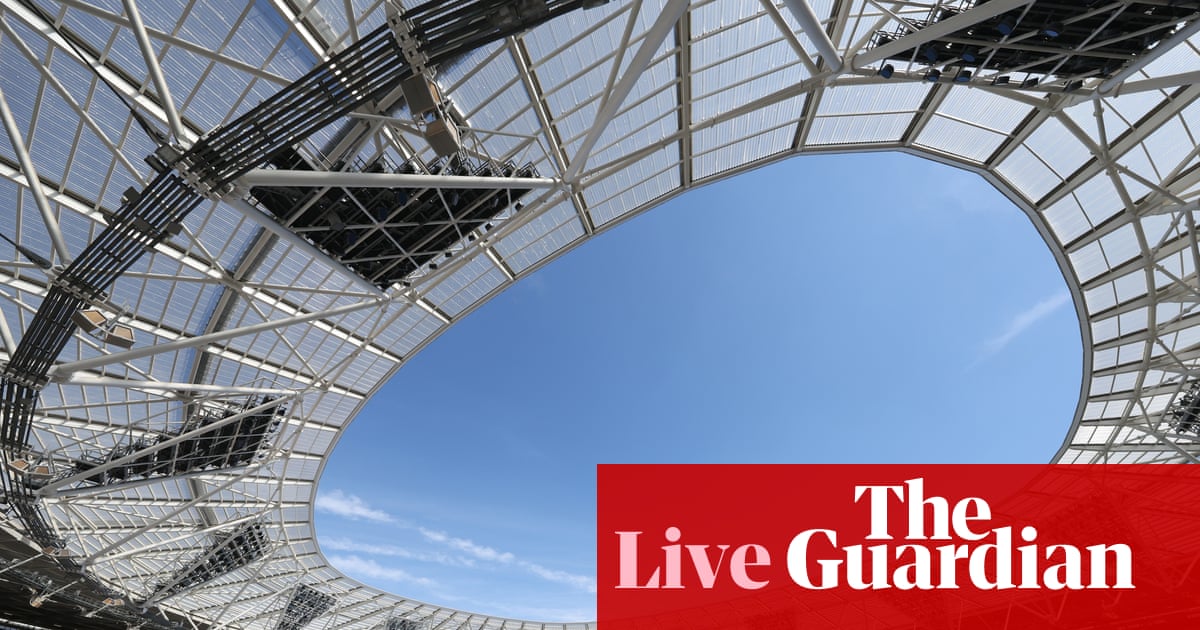
Host cities are currently grappling with the reality of long-term debt servicing versus short-term tourism spikes. The pressure to upgrade transportation networks and security protocols before the opening whistle is immense. While the revenue figures look astronomical on paper, tracking where that capital actually lands reveals a worrying trend for domestic leagues.
Many stadiums have required significant public funding to meet international safety and capacity mandates. These renovations often benefit private ownership groups at the taxpayers' expense, creating a lopsided deal that local municipalities will continue to pay off long after the tournament ends. The disparity between host city investment and the return on social liquidity is a massive blind spot in the official projections.
Commercial appetites versus competitive integrity
Marketing budgets in 2026 have pushed athlete visibility toward a ceiling that some analysts fear is unsustainable. When players are treated as assets in a global media portfolio rather than professionals in a tactical system, the training cycles suffer. We are seeing early signs of fatigue in league play as teams try to balance corporate requirements with the physical demands of high-intensity tournament preparation.
The reliance on dynamic pricing for tickets has also alienated portions of the traditional fanbase. It is becoming a common sight to see premium hospitality suites packed while the lower tiers remain stratified by aggressive pricing algorithms. This shift ignores the atmosphere that defines the history of the sport in favor of predictable, high-net-worth audiences.
Predicting the impact on the final
If we look purely at current roster depth and tournament management, a few heavy hitters are pulling away from the pack. The teams that managed their load-bearing players since the start of the summer cycle have a massive advantage over those who prioritized marketing tours. I expect the final to be a duel between the two nations that prioritized tactical conditioning over commercial exhibition.
My prediction is that a tactical powerhouse with a disciplined defensive block will take the trophy. I favor a 2-0 victory for a side that has focused on transition speed rather than name-brand star power. Bet on the team that makes the fewest defensive errors in their own half, as volatility has been high throughout the qualifier stages.
Read Next