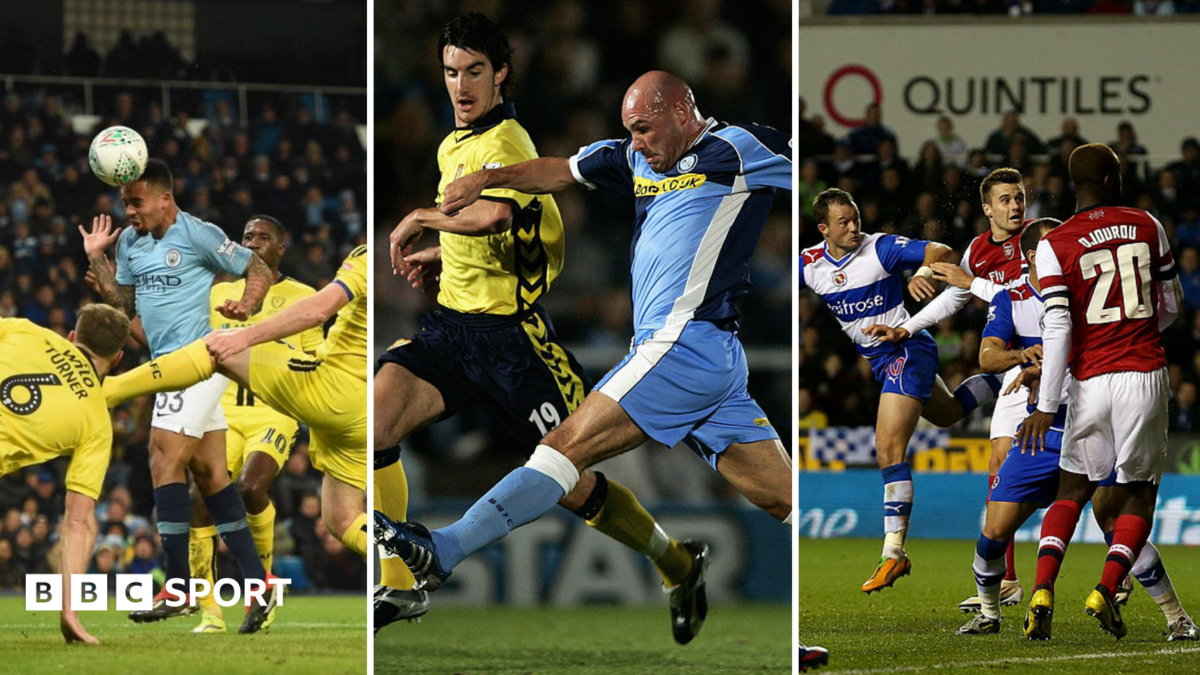
Why the EFL Cup remains football’s most unpredictable stage
The EFL Cup is back, and with it, the specific brand of defensive anarchy that defines early-round fixtures. While the elite clubs prioritize their Champions League qualification berths, the lower-league sides see these ties as a genuine shot at a Wembley appearance. We saw exactly how quickly things spiral in recent historical bangers covered by the BBC, where defensive discipline often evaporates under the lights.
The competition is fundamentally different from league play. In the league, points are precious. In the cup, a team trailing by two goals in the 70th minute will throw every center-back forward, abandoning the rigid tactical structures that define professional football. This leads to the wild, high-scoring outcomes that make the tournament a statistical nightmare for analysts.
The squad depth reality check
We are seeing a trend where managers are increasingly forced to balance domestic league ambitions with cup runs. This is where the risk lies. When top-tier sides rotate their squads, their xG output often drops, but their defensive fragility skyrockets due to a lack of rhythm between backup defenders. I am predicting a spike in upsets this season, particularly among mid-table Premier League clubs relying on inexperienced talent.
My skepticism lies with teams that lack a clear identity when their starting XI is compromised. Take a side that relies heavily on a high-press transition; if the starting defensive midfielder is rested, the entire vertical spacing collapses. If the press isn't perfectly synchronized, opponents will find easy avenues to exploit high defensive lines. It is a fundamental vulnerability that bench players rarely manage with the same composure as the first-choice starters.
Tracking the metrics of the chaos
Look for shot maps in these matches to show a high concentration of attempts from inside the six-yard box. This happens because defensive organization in these cup ties tends to break down after the 60th minute. Fatigue plays a massive role here, and the data shows that teams with higher average squad age struggle significantly as the match progresses toward extra time.
We have to address the negative: the quality of play often nosedives in these matches. You will frequently see pass completion rates drop below 75 percent once the substitutes enter the fray. It is not just about the scorelines being high; it is about the structural decay on the pitch. These games are rarely tactical masterclasses and more often exhibitions of individual errors and broken transitions.
I am calling it now: we will see at least three teams from the Championship knock out Premier League opposition before the quarter-final stage. The lack of depth in mid-tier top-flight clubs combined with the aggressive, direct approach of lower-league managers creates a perfect storm for early exits. Expect the big clubs to struggle when forced to play away from home against lower-league opponents who prioritize intensity over technical control.