The Tactical Crossroads in Miami
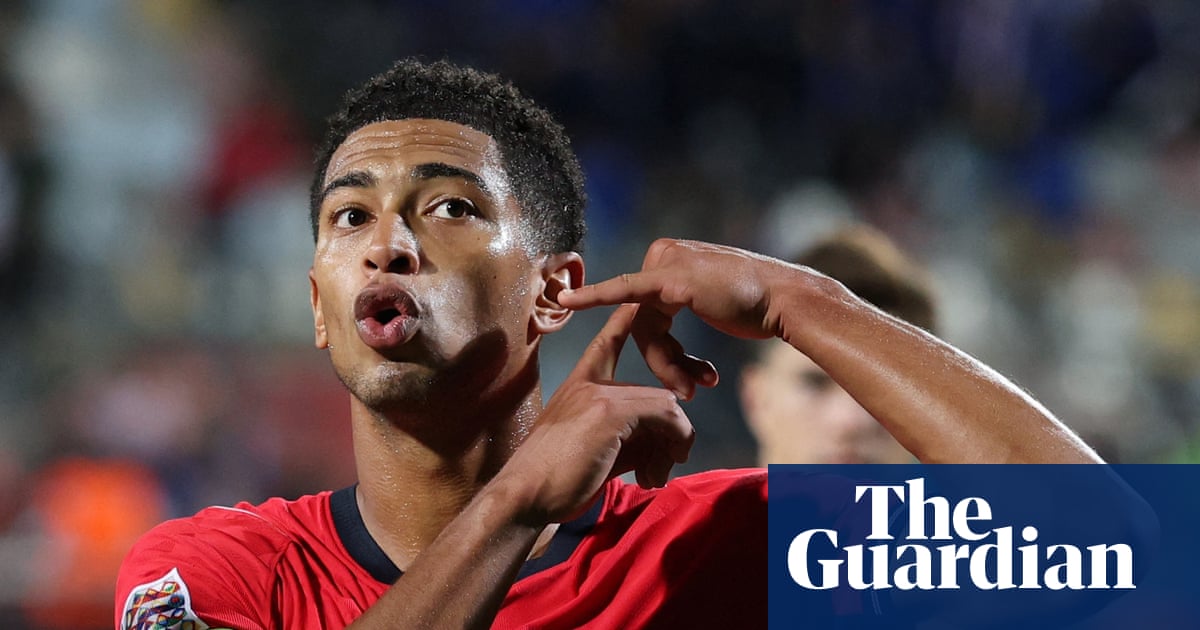
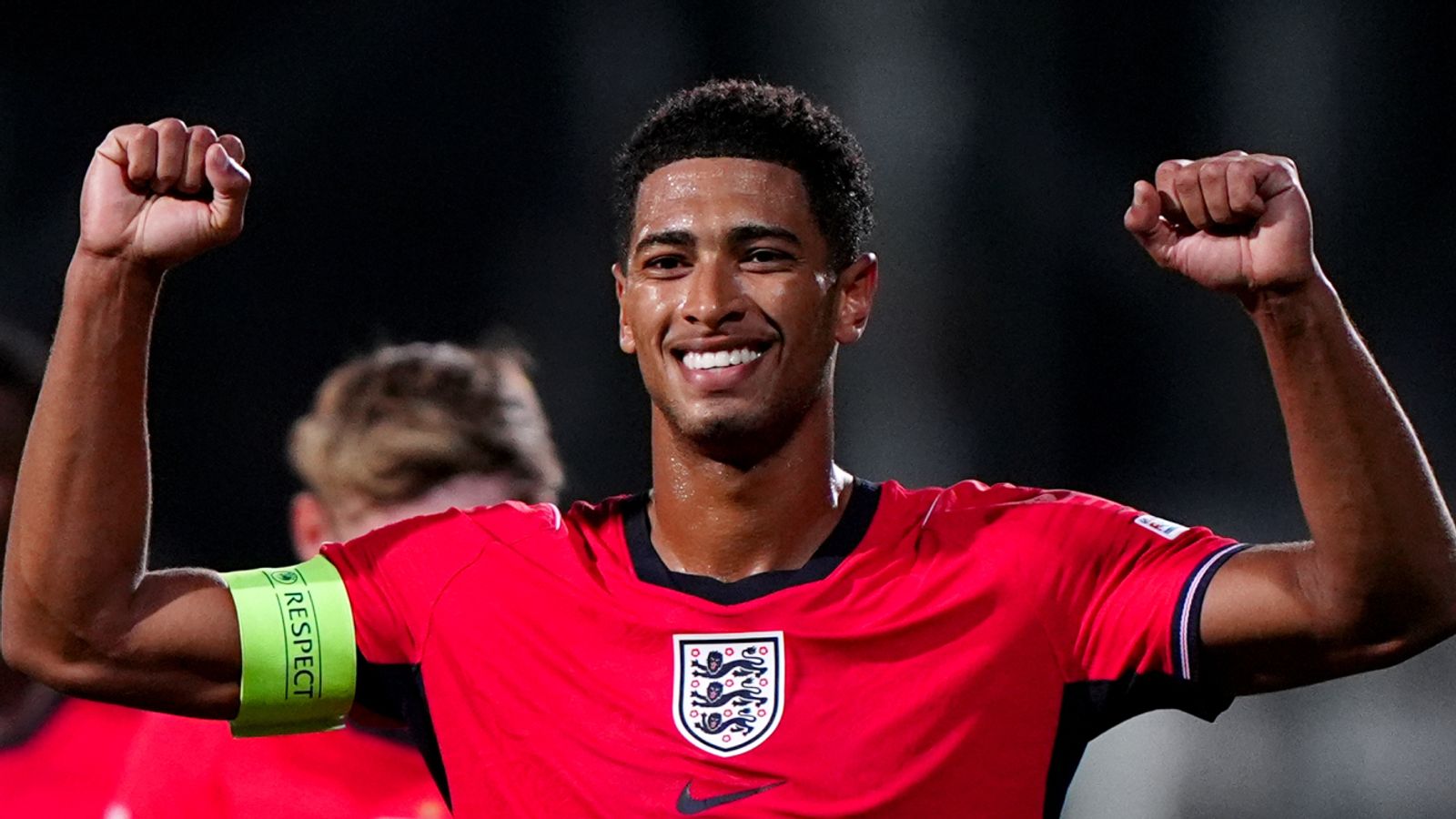
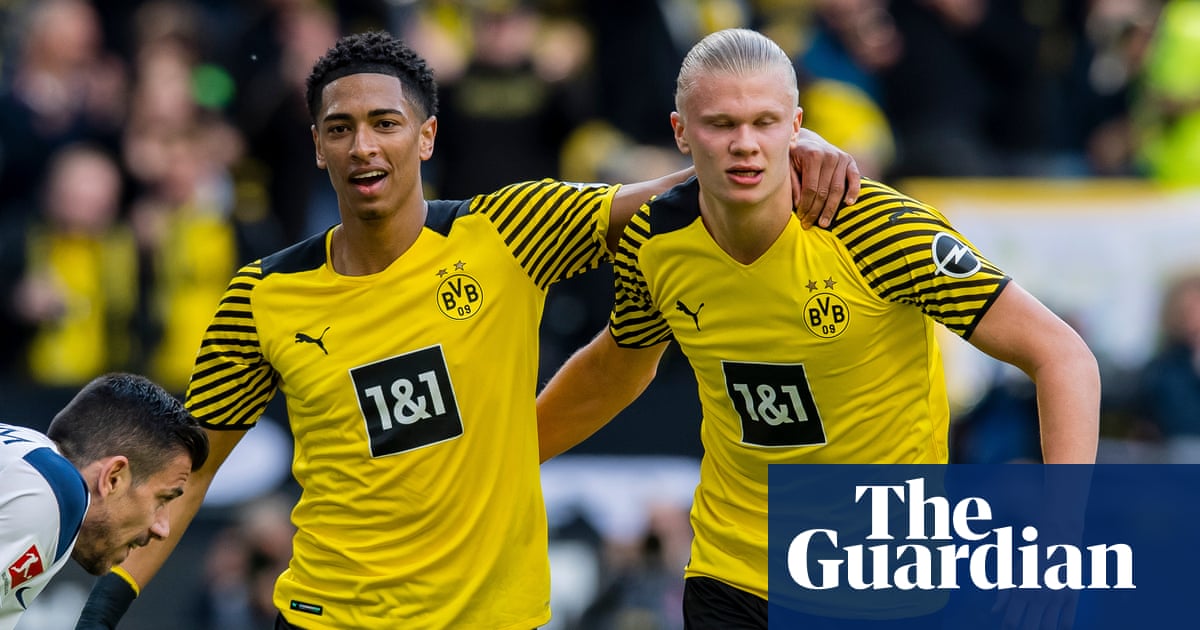
The build-up to Saturday’s World Cup quarter-final between England and Norway has devolved into a referendum on a single player: Erling Haaland. While the striker famously maintains a personal connection to the UK, his intent heading into this Miami showdown is purely clinical. As reported by The Guardian, the narrative of his former Borussia Dortmund brotherhood with Jude Bellingham offers a nostalgic backdrop, but the reality on the pitch will be far colder.
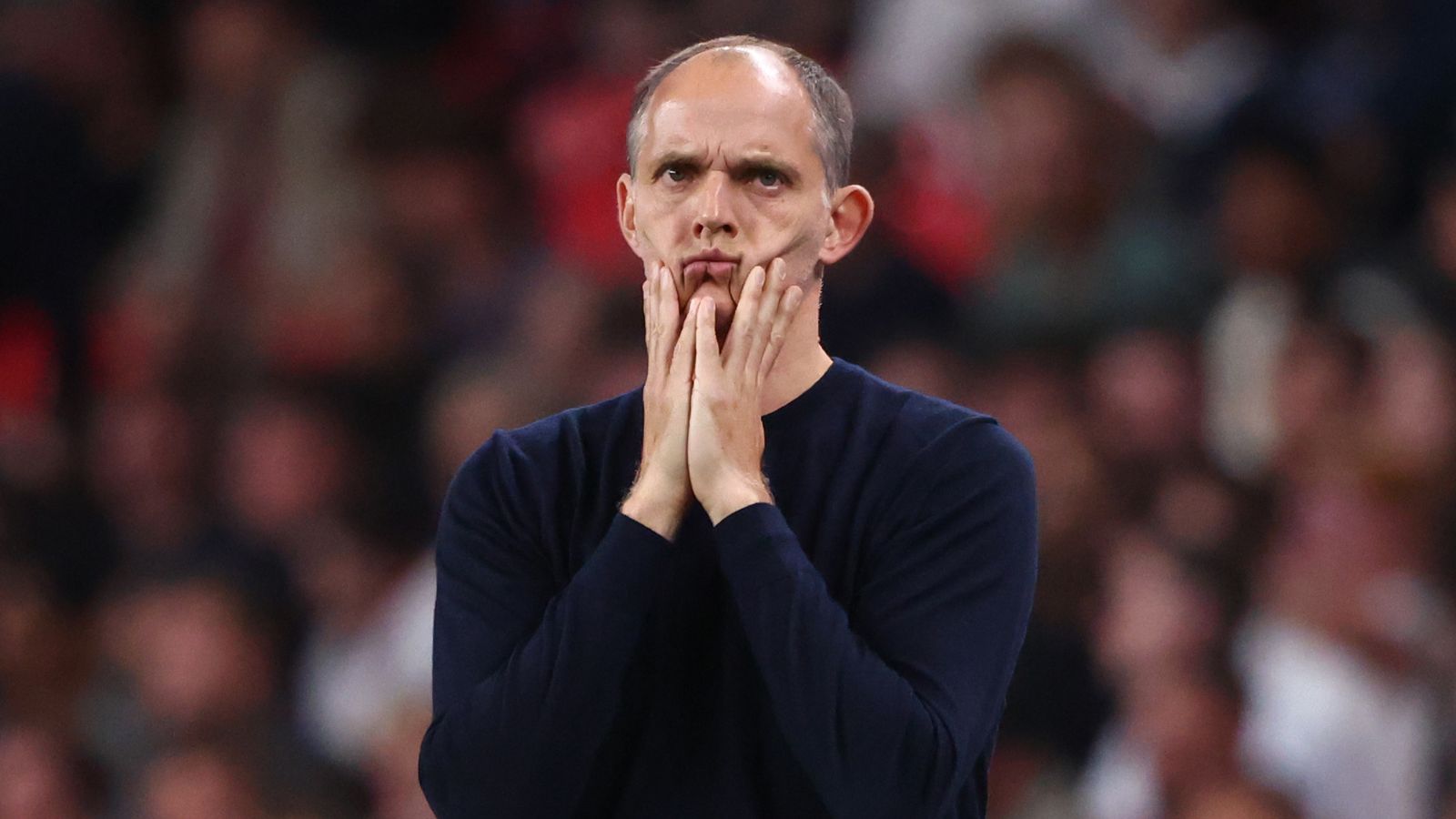
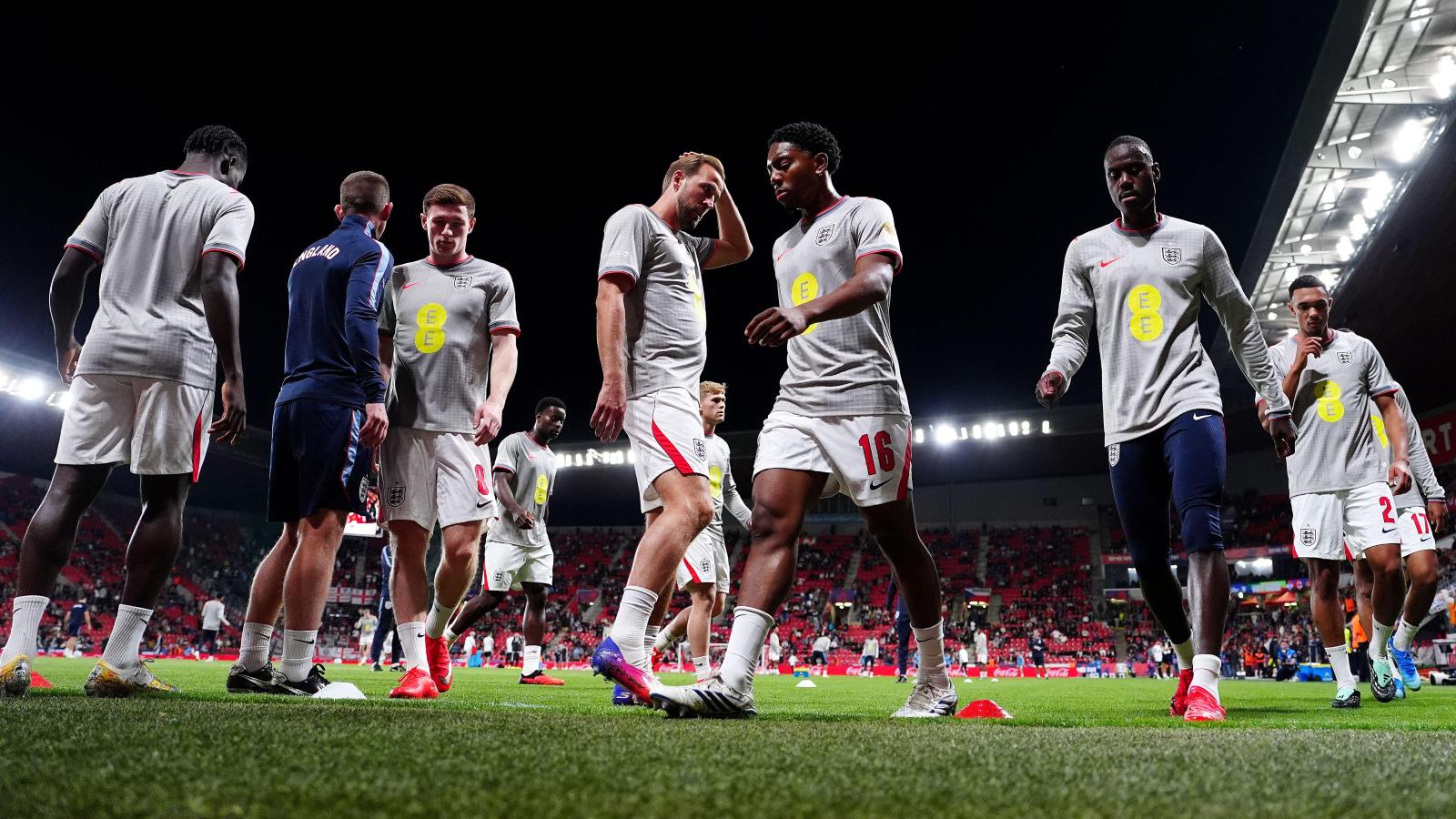
Thomas Tuchel currently faces a defensive injury crisis that complicates his containment strategy. Recent reports confirm that both Marc Guehi and Declan Rice are battling fitness issues, casting doubt on the structural integrity of England's rearguard. If Rice is sidelined, the central midfield screen essential for tracking Norway’s transitions during Haaland’s vertical runs evaporates. The backup options look thin, leading some to propose radical personnel shifts.
The Dan Burn Dilemma
Sam Allardyce has publicly urged Tuchel to make the bold call of installing Dan Burn in the starting XI. The logic centers on pure physical profiling: Burn possesses the verticality and frame to disrupt Haaland’s aerial dominance in a way more traditional, ball-playing center-halves cannot. However, opting for such a defensive adjustment represents a concession. Moving away from a possession-oriented setup to a man-marking, physicality-first unit admits that England cannot outplay the Norwegian block through technical superiority alone.
The data doesn't lie regarding Haaland’s form. Scoring 7 goals in just four tournament appearances, the striker is currently operating at a predatory level that makes individual marking assignments look like a death sentence. Relying on a 'pinch and swarm' strategy involves significant risk. If the three defenders tasked with containing him get dragged out of position by Norway’s secondary runners, England’s defensive line will be gutted.
Mind Games and Tournament Pressure
Haaland has been vocal in the press, shifting the pressure onto England by asserting that they are the side burdened by expectation. Nico O’Reilly, a familiar face from the club circuit, has publicly dismissed these remarks as typical mind games, noting that the squad understands the striker's personality well. Yet, the distraction factor is real. England’s preparations have been hindered by a sickness bug and muscle fatigue, adding a layer of unpredictability to Tuchel’s final lineup decisions.
The fitness status of Reece James, while slightly improved, remains a lingering concern as the kickoff approaches. If Tuchel is forced into a makeshift backline, Norway’s counter-attacking setup will look to exploit exactly that weakness. Tactical dossiers from Sky Sports emphasize that simply suppressing Haaland is insufficient; England must impose their own offensive rhythm to force Norway onto their back foot. Sitting deep invites the very pressure that Haaland thrives on during transition sprints.
Probability and Impact Assessment
This match is leaning toward a high-stress, low-margin encounter where one tactical error decides the outcome. The probability of England advancing rests entirely on the midfield’s ability to protect the backline and neutralize service to the Norwegian channels. Regarding the defensive lineup, the likelihood of a major personnel change like the inclusion of Dan Burn remains moderate; Tuchel historically prefers technical stability to reactionary shifts. Expect a tense 90 minutes where the first goal dictates the entire tempo. If England fails to stifle the service lines early, the pressure on the individual markers will reach a tipping point by the hour mark.
Read Next
- Haaland's 'stay humble' jibe is the ultimate trap for Thomas Tuchel's England
- England vs Norway: The tactical reality behind the quarter-final hype
- Thomas Tuchel is walking into a tactical minefield against Norway
- England vs Norway: The tactical breakdown of a World Cup showdown
- 🏆 World Cup 2026 — Full Coverage Hub
- 🏴 England World Cup 2026 — Three Lions Hub
- 🇳🇴 Norway World Cup 2026 — Can Haaland Lead the Vikings?