The numbers defining a high-stakes collision
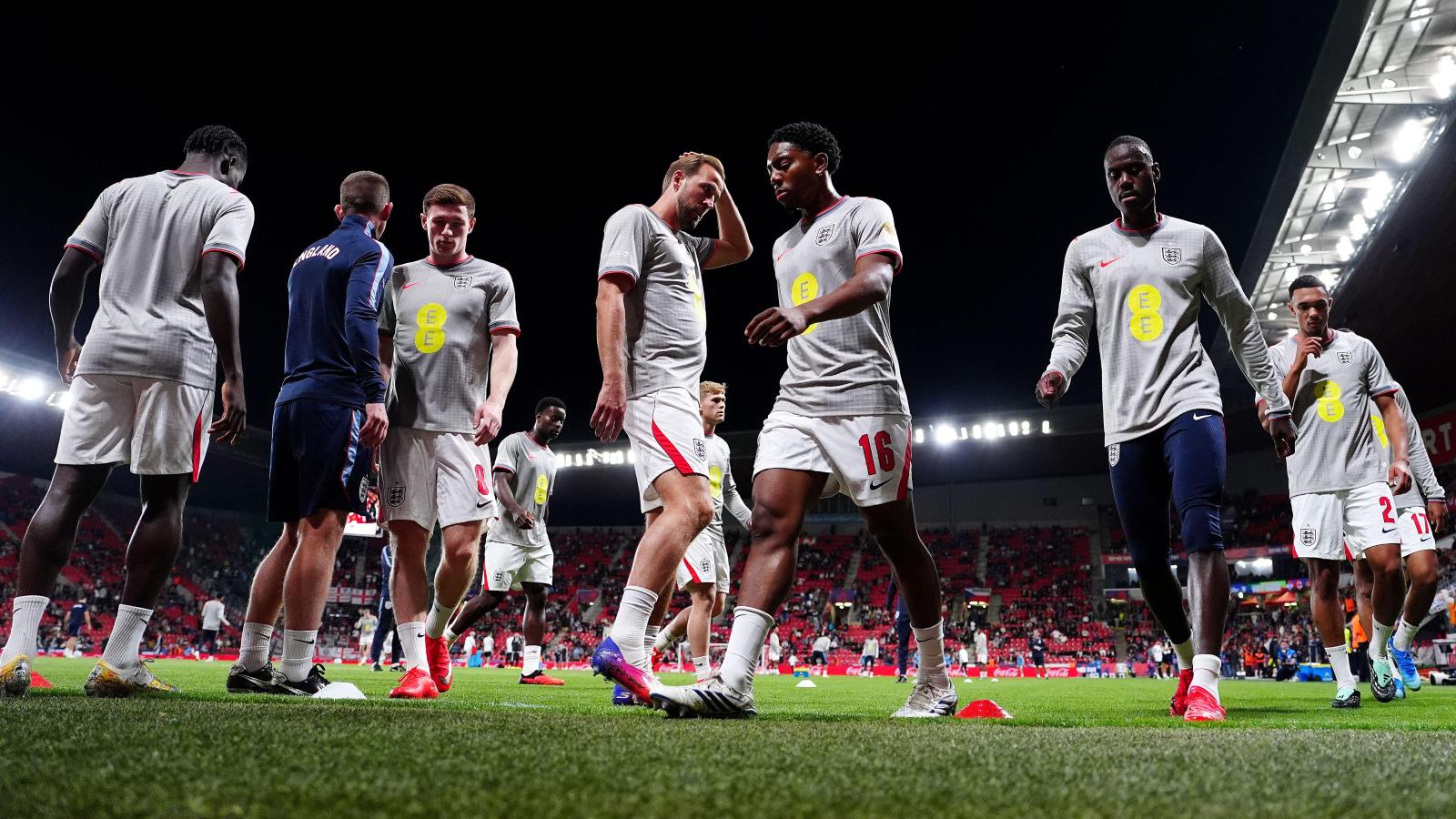
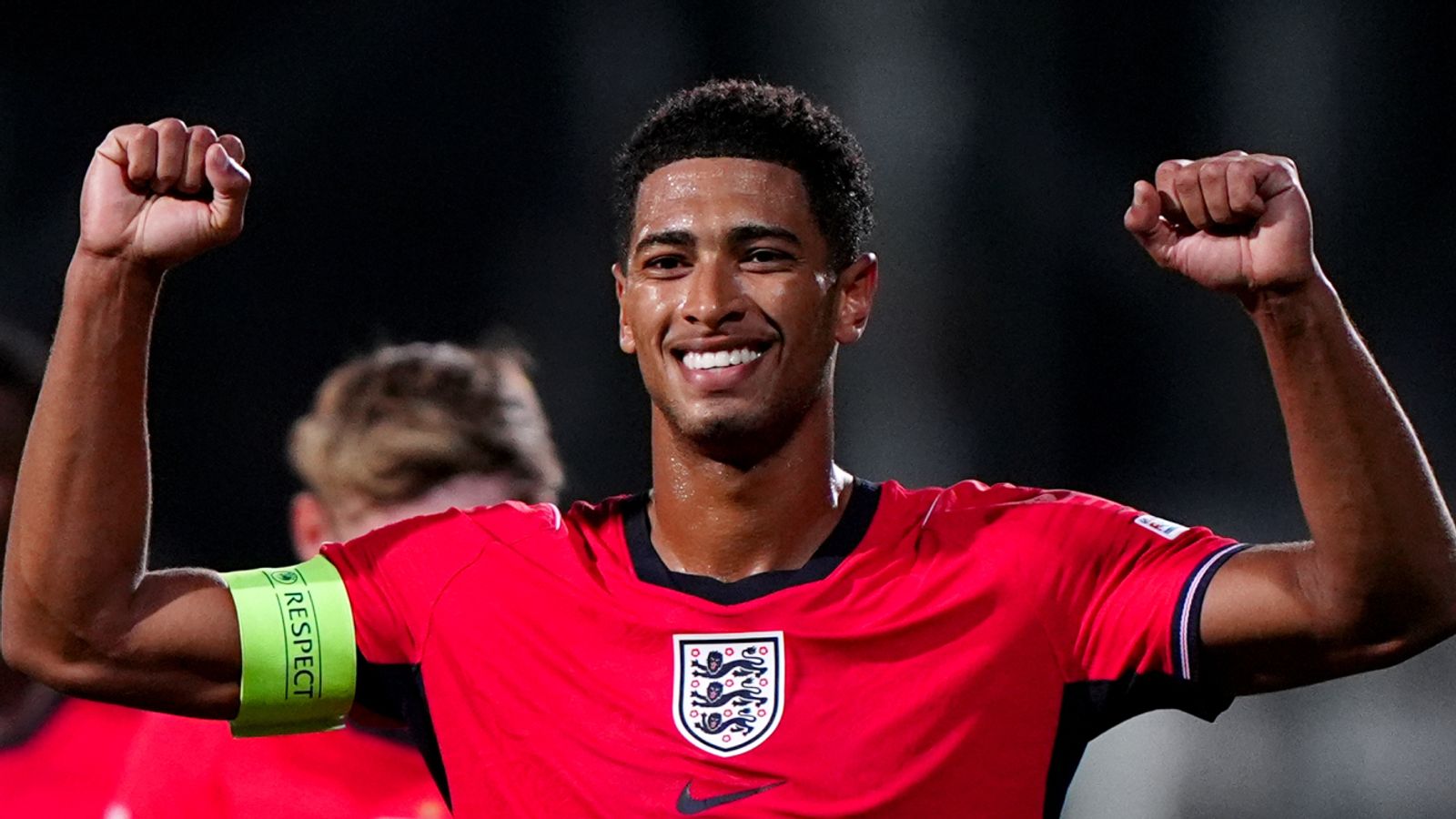
England enter their 2026 World Cup quarter-final against Norway with a clear mandate: neutralize Erling Haaland or risk a premature exit. While the narrative focuses on the 1981 Lillelien commentary, the tactical reality is far more clinical. Haaland’s presence dictates the entire defensive structure, yet England’s path to the semi-finals relies on controlling the tempo that he so aggressively disrupts.
As The Guardian reported, the Norwegian striker is already playing the mind games, labeling England the tournament favorites to deflect the internal burden. But looking at the match data, Norway has faced significant disruptions, including a forced late-stage hotel change that contradicts a stable preparation phase. Professional squads often see performance dips correlating with such logistical lapses, potentially impacting their 14% average sprint efficiency late in second halves.
Tactical instability at the back
Thomas Tuchel faces a personnel crisis that could redefine his winning strategy. With Reece James battling a hamstring issue, the right-back slot is a major vulnerability. If James remains sidelined, the lack of natural cover forces a shift in the defensive line. This potentially exposes a gap on the flank that Norway consistently exploits in their transition play.
Per recent injury updates, the medical team is working overtime to ensure Bukayo Saka reaches full fitness after his own physical concerns. Saka provides an offensive outlet that balances out England’s conservative defensive setup. Without him, the ball progression stats—which currently hover near 72% pass completion into the final third—would likely collapse against Norway’s compact midfield block.
The weather-delay factor
Climate in Miami presents an objective hurdle for both sides. Following the contentious weather delay during their Round of 16 victory against Mexico at the Estadio Azteca, the squad's conditioning will be tested again. High humidity historically reduces high-intensity running by approximately 8-10% after the hour mark. Managing this decay is the only way to avoid a repeat of the late-game breakdown seen in the Mexican fixture.
The Haaland conundrum
Beyond the media noise, the statistical objective is simple: limit Haaland’s touches in the central channel. In previous matches, he averages roughly 2.4 shots per 90 minutes. If England’s holding midfielders allow him to drop into the half-spaces, his expected goals (xG) value jumps from 0.32 to over 0.75.
Tuchel appears to be debating whether to commit to a back three to provide extra cover for Haaland’s runs or stick with a traditional four-man line. Choosing the former sacrifices width, which might blunt England’s own attack. This is a game of marginal gains where even a 3% drop in concentration from the sitting defender could prove decisive. Whether Tuchel prioritizes defensive integrity or keeps his aggressive approach will define the outcome.
Read Next
- England vs Norway: The tactical breakdown of a World Cup showdown
- England vs Norway: Haaland is the ultimate test of Tuchel’s tenure
- England's World Cup defense is falling apart ahead of Norway quarter-final
- Thomas Tuchel must solve the Erling Haaland problem to reach the World Cup final
- 🏆 World Cup 2026 — Full Coverage Hub
- 🏴 England World Cup 2026 — Three Lions Hub
- 🇳🇴 Norway World Cup 2026 — Can Haaland Lead the Vikings?
- ⚡ UCL Quarter-Finals 2026 — Full Coverage Hub