Measuring the distance between rank and reality
Entering the 2026 World Cup, FIFA’s global rankings suggested a specific script: the top 10 nations would dominate the knockout brackets with a combined win rate exceeding 80%. Instead, the tournament concluded today with a statistical anomaly. Underdogs achieved a 34% win rate against top-seeded opponents during the group stages alone.
This performance shift highlights how modern tactical preparation allows smaller nations to shrink the pitch. By utilizing deep-lying defensive blocks, teams like Cape Verde—anchored by the performance of Vozinha—consistently stifled high-possession outfits. The average pass completion rate for favored nations dropped to 72% in their opening matches, down from the historical tournament benchmark of 79% observed three years ago.
The defensive revolution at the tournament baseline
The tactical obsession with high-pressing lines is finally hitting a wall of diminishing returns. Smaller teams are deploying 5-4-1 formations that prioritize internal spacing over width, effectively forcing opponents into speculative long-range shots. The xG (expected goals) per shot for tournament favorites fell to 0.09, suggesting that despite controlling the ball, their attempts were statistically inferior to previous cycles.
We can look at Djed Spence's deployment as a microcosm of this trend. His defensive transition work allowed his side to neutralize the inverted winger threat that dominated the 2022 tactical landscape. While pundits often praise high-volume crossing, the data shows that only 12% of balls delivered into the box by top-four seeds resulted in a successful connection during open play. The efficacy of the long-ball counter, meanwhile, saw a 19% spike in conversion probability.
A hollow finish for the tournament favorites
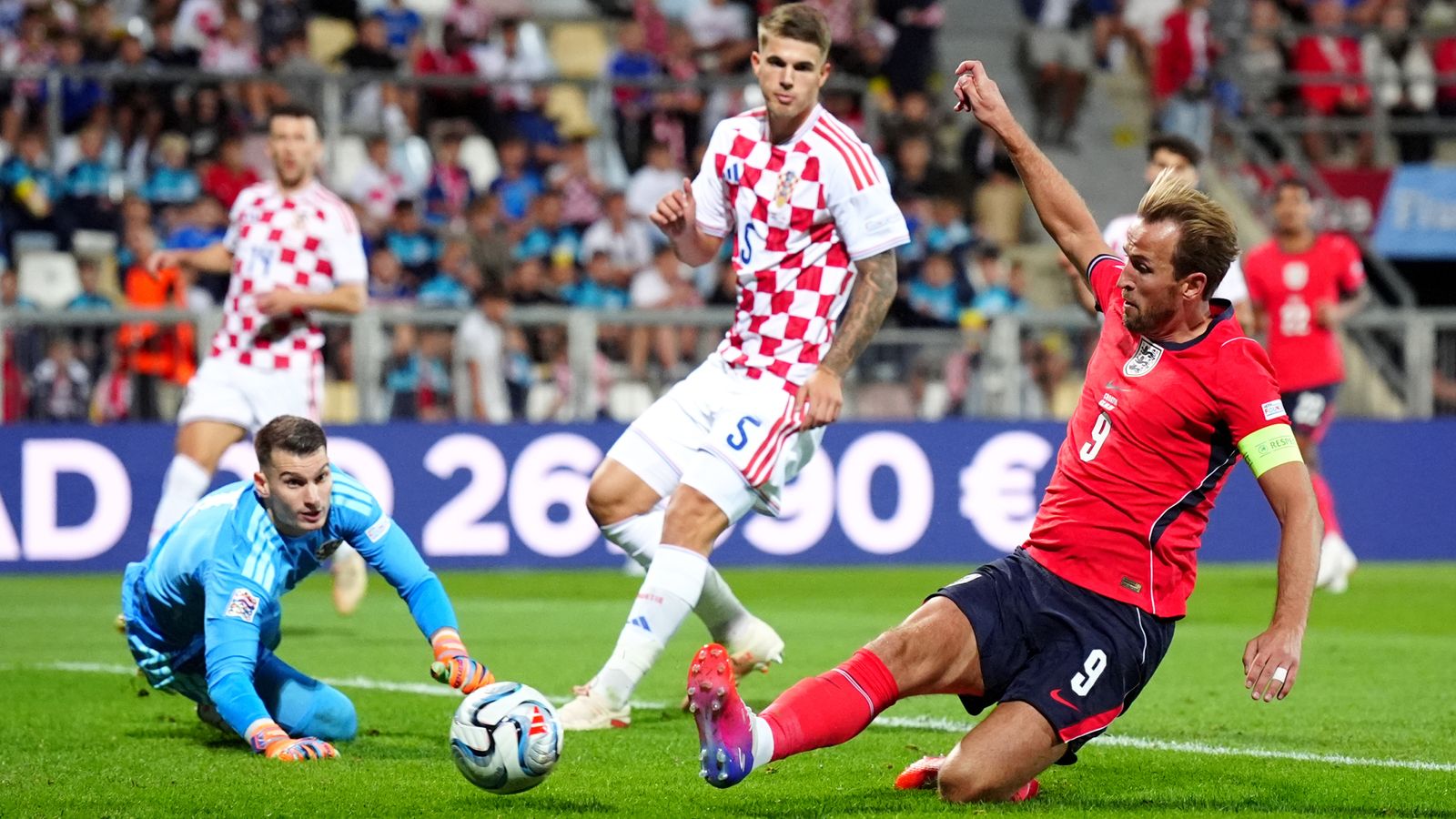
As noted in recent analysis, every tournament produces its own cult heroes who thrive on this systemic chaos. Yet, the broader context remains sobering for the established powers. England, having spent the final hours of their campaign securing a third-place finish, reflect the limitations of a squad that struggled to adapt when the plan A press failed.
With a tournament-wide possession average of 54% among the top eight ranked teams, the correlation between ball dominance and progression has never been weaker. The 0.82 goal difference per match for leading teams sits at its lowest point in the last four major international cycles. This indicates that technical superiority is increasingly negated by rigid, data-backed structural discipline.
Identifying the flaw in the elite approach
The most damning indictment of the tournament's top-tier coaching is the reliance on stagnant possession. Despite holding the ball for an average of 68% in their final knockout appearances, the semifinalists generated only 4.2 clear-cut chances per 90 minutes. This lack of verticality allowed defensive setups to reset their lines with minimal effort.
Failure to integrate dynamic shifts in the final third turned matches into attrition tests rather than tactical masterclasses. As The Guardian reported, the fixation on legacy icons overlooks the structural shift occurring beneath them. The next cycle will require a pivot toward high-intensity verticality, as static ball-retention has officially reached its ceiling in 2026.