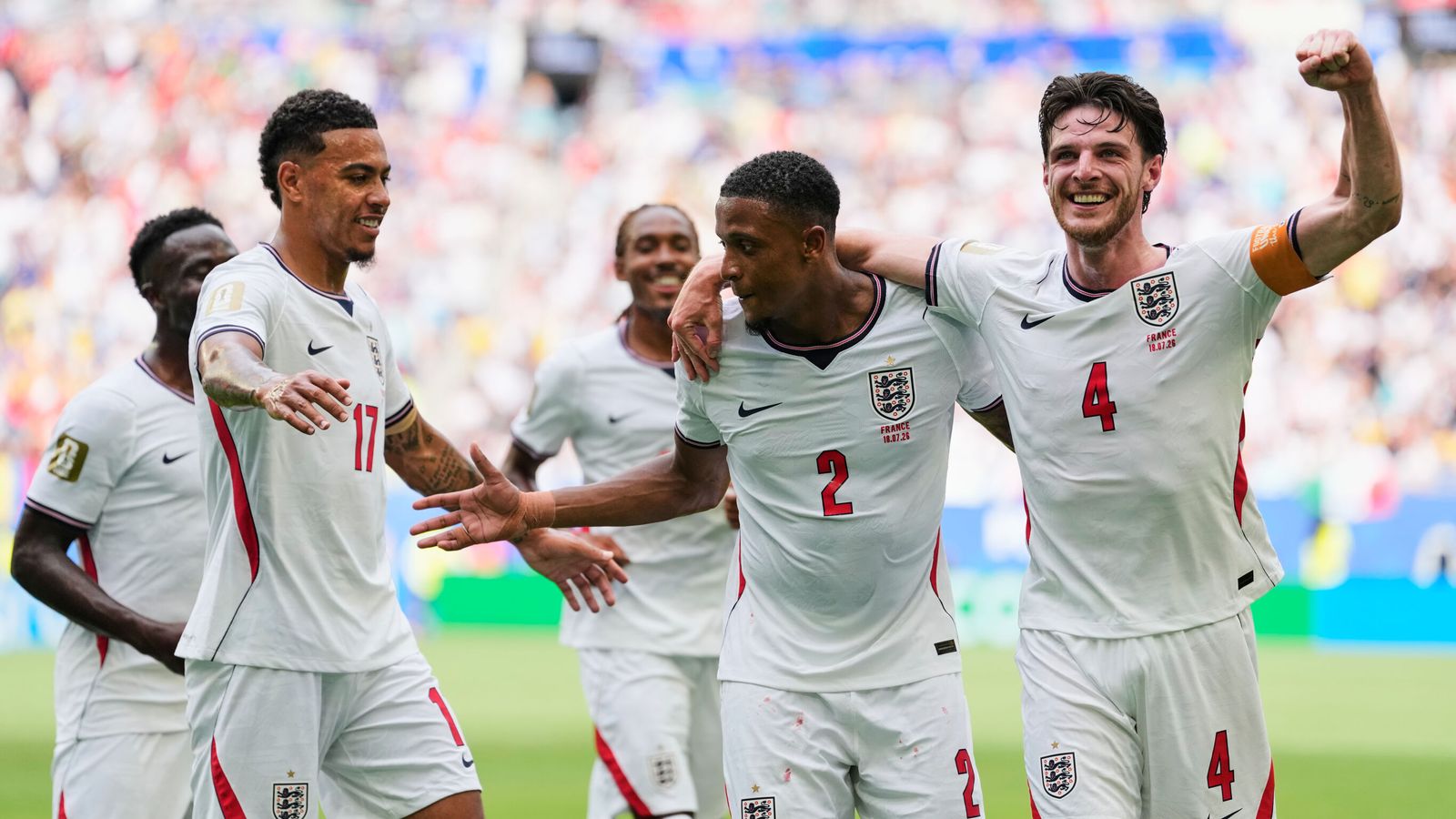
You have to love the World Cup third-place play-off. It is the ultimate "should have been an email" of international sports, a match where twenty-two exhausted dudes run around in the North American heat while their managers pretend to care about a piece of cheap metal. Yet, Bukayo Saka decided to treat this glorified exhibition game like he was prime Shawn Michaels at WrestleMania, just tuning up the band and kicking people in the face.
Against France, Saka did not just play; he conducted a masterclass in pure, unadulterated spite. He ran through their defense like a bowling ball through wet cardboard, bagging a hat-trick that felt less like a celebration and more like a court summons. He put three past one of the best defensive lines in international football, making the French defenders look like they were wearing cement boots from a classic mob movie.
The Semi-Final Brain-Fade
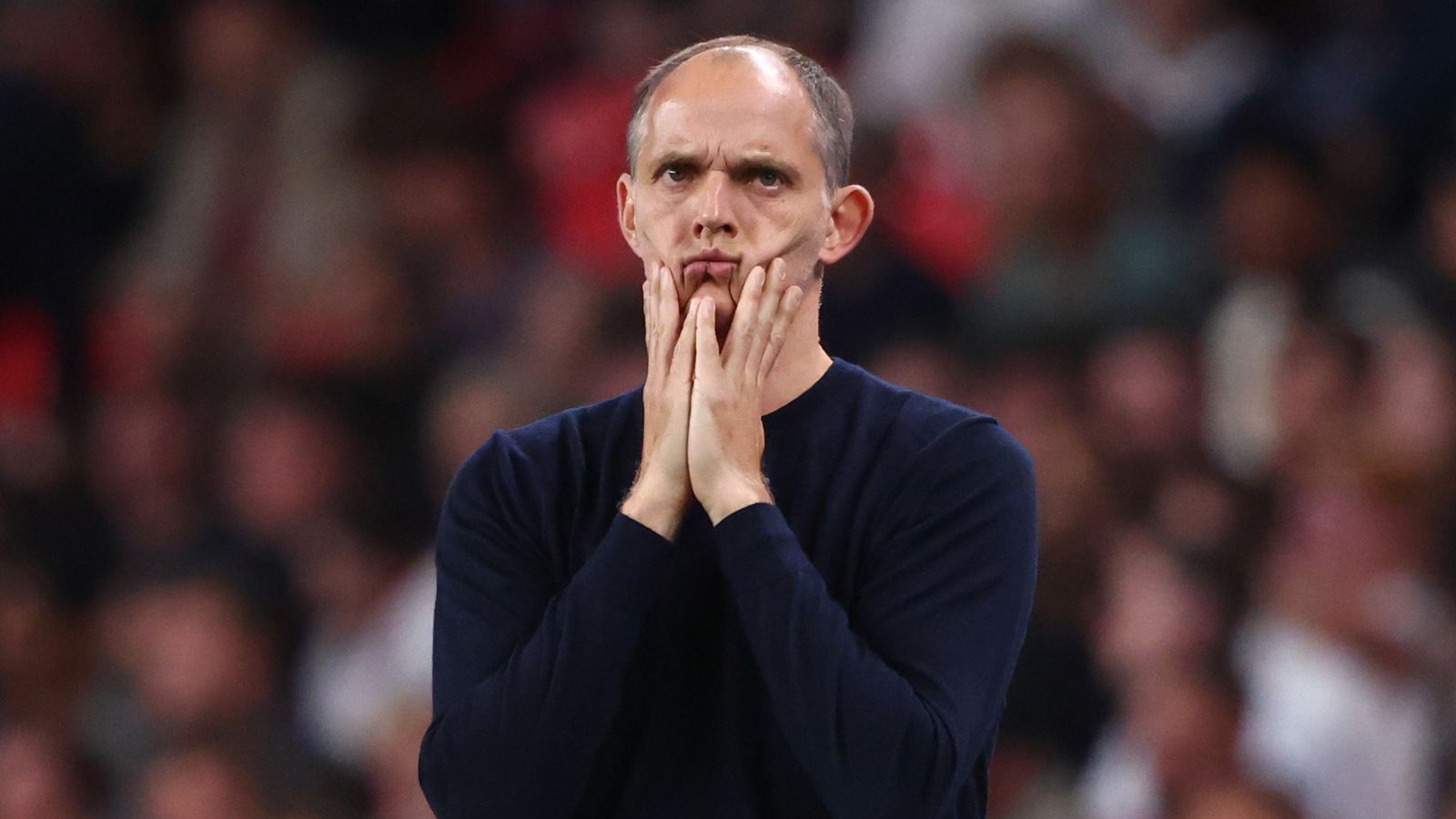
And the entire time, you could practically see the steam coming out of Thomas Tuchel’s ears on the touchline. This is the same manager who, just days earlier, decided that England’s most consistent forward since the days of Sven-Göran Eriksson belonged on the bench for the semi-final. If you want to know how to speedrun losing a dressing room before your first year is even up, this is the official manual.
We have all seen managers overthink things. We watched Pep Guardiola play a Champions League final without a defensive midfielder because he probably had a fever dream about inverted full-backs the night before. But Tuchel dropping Saka in a World Cup semi-final is a different level of tactical arrogance. It is the footballing equivalent of leaving your Michelin-star chef on washing-up duty during the Saturday night dinner rush.
The fallout from that semi-final exit was already ugly, but Saka’s performance in the bronze medal game turned it into a full-blown public roast. The selection debate did not just reignite; it exploded. Fans and pundits are asking the same question: what on earth was Tuchel looking at in training that made him think Saka was the guy who needed to be dropped?
According to the post-match breakdown on Sky Sports, Tuchel attempted to explain his selection choices for the France match, detailing why Kane, Bellingham, Rice, and Saka were deployed together. But his explanation only highlighted the absurdity of leaving Saka out of the previous match. In doing so, he took the sharpest tool in the shed and threw it in the trunk of his car.
Saka’s response was not a whiny post-match interview or a passive-aggressive social media post with a black screen. He simply went out and destroyed a world-class opponent.
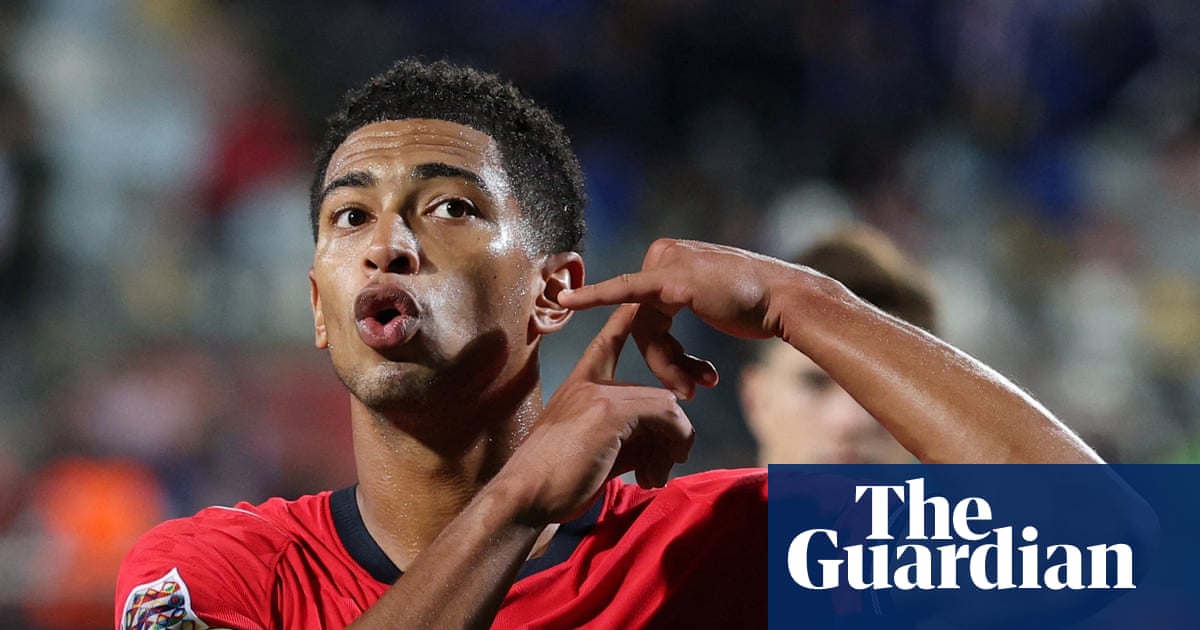
His first goal was a crisp finish into the bottom corner after turning his marker inside out. The second was a back-post header that showed he wanted the ball more than any French defender. The third was a solo run that left the keeper clutching at thin air like a guy trying to catch a fly in a dark room.
It was a performance that screamed, "I am the best player on this pitch, and you are lucky I even showed up today." The match report on the BBC highlighted how Saka's brilliance made Tuchel’s semi-final decision look completely indefensible. The German manager is known for his stubbornness, but even he had to stand there and applaud.
The Tuchel Paradox
Let's talk about the behind-the-scenes context here. Tuchel came into this England job with the reputation of a tournament specialist. He is the guy who can build a defensive block that nobody can break down, the tactician who wins tight games by a single goal. But international football is not club football; you do not get nine months of daily double-sessions to build complex positional patterns.
In the international arena, you play your best players. You do not drop a winger who has been terrorizing full-backs for three straight years just to get more height at defensive set-pieces. Tuchel treated a World Cup semi-final like a cold Tuesday night in Stoke, and he paid the price.
The reaction after the final whistle in the bronze medal match was telling. As detailed on the Sky Sports live feed, Saka and Tuchel had a brief, visibly awkward embrace on the pitch. Saka had the smile of a man who had just won a bet, while Tuchel looked like he had just swallowed a lemon.
It is one thing to be a genius; it is another to be too clever for your own good. Tuchel’s England run was supposed to usher in an era of ruthless efficiency. Instead, we got the classic English tragedy with a continental twist. We got the manager who thinks he is playing chess while everyone else is playing checkers, only to realize he forgot where his king was.
Look at the numbers because they do not lie. Saka has been involved in more goals for England over the last two years than almost anyone else in the squad. He is the guy who carries the ball progress metrics on his back. When you remove him, England’s attack becomes static, predictable, and remarkably easy to defend against.
Without Saka on the right wing during that disastrous semi-final, England looked like a team playing in slow motion. The ball went side-to-side, Bellingham looked frustrated, and Kane was forced to drop so deep he was practically playing center-back. It was a toothless, depressing display that had fans screaming at their screens.
Then, against France, the contrast was staggering. With Saka back in the starting eleven, the entire team clicked. Rice had space to operate in the middle because France had to double-team the right flank. Bellingham found pockets of space between the lines because Saka’s runs pulled the French center-backs out of position.
This is the value of an elite winger. They do not just score goals; they distort the pitch. They make opponents defend in ways they do not want to. Tuchel’s decision to bench him was not just a minor tactical tweak; it was a fundamental misunderstanding of how this England team functions.
Of course, the Tuchel apologists will say that hindsight is a beautiful thing. They will argue that the semi-final was a different game, that the opponent required a different approach, and that defensive stability was the priority. That is a loser's argument. You do not win World Cups by playing not to lose; you win them by letting your superstars win them for you.
Let's not forget the emotional baggage this team carries. England fans have been hurt so many times that they can spot a bottleneck from a mile away. The moment the team sheet dropped for the semi-final and Saka’s name was in the substitute column, the collective groan could be heard from London to Newcastle. It felt like Gareth Southgate’s over-cautious ghost had possessed the manager’s office.
But at least Southgate had the excuse of being a nice bloke who genuinely cared about the squad's feelings. Tuchel was brought in to be the cold-blooded winner, the guy who does not care about feelings, only results. When you bench your best player and still lose the game, that cold-blooded reputation evaporates, leaving you looking like an ordinary manager who got his tactics wrong.
Where Do England Go From Here?
The French team they beat in the third-place game was no joke. Even in a bronze medal match, France boasts some of the most athletic and disciplined defenders in the world. Yet Saka made them look like absolute amateurs. He bypassed their high press with simple one-twos and left their left-back questioning his career choices.
This is what makes the situation so infuriating for England supporters. The talent is clearly there. The squad is packed with players who win league titles and individual awards across Europe. Yet, when the lights are brightest, the leadership always seems to shrink.
If England had played with the same tempo and aggression in the semi-final that they showed in the bronze medal match, they would be preparing for a final right now. Instead, they are heading home with a third-place medal that will end up in the back of a drawer. It is a massive missed opportunity for a generation of players who might not get another shot this good.
Saka’s tournament stats are ridiculous. He finished the competition with six goal involvements, despite playing fewer minutes than several other starting forwards. His efficiency is off the charts. Every time he gets the ball, something happens.
Tuchel’s post-match comments were a masterclass in deflection. He praised Saka's attitude, spoke about the team's character, and tried to frame the bronze medal as a major achievement. But nobody was buying it. The media room was quiet, the questions were pointed, and the atmosphere was chilly.
The relationship between Saka and Tuchel will be the defining storyline of the next qualification cycle. Can they work together after this? Saka is too professional to make a scene, but his performance on the pitch was a loud enough statement. He does not need to speak; his goals did all the talking.
England’s football association paid a fortune to bring Tuchel in. They wanted a manager who could make the hard decisions and deliver silverware. Instead, they got a manager who made a bizarre decision and delivered a third-place finish. It is hard to see how this can be called a success.
The pressure on Tuchel is going to be immense moving forward. Every selection he makes from now on will be scrutinized under a microscope. If he drops a star player again and the team draws, the knives will be out immediately. He has lost his margin for error.
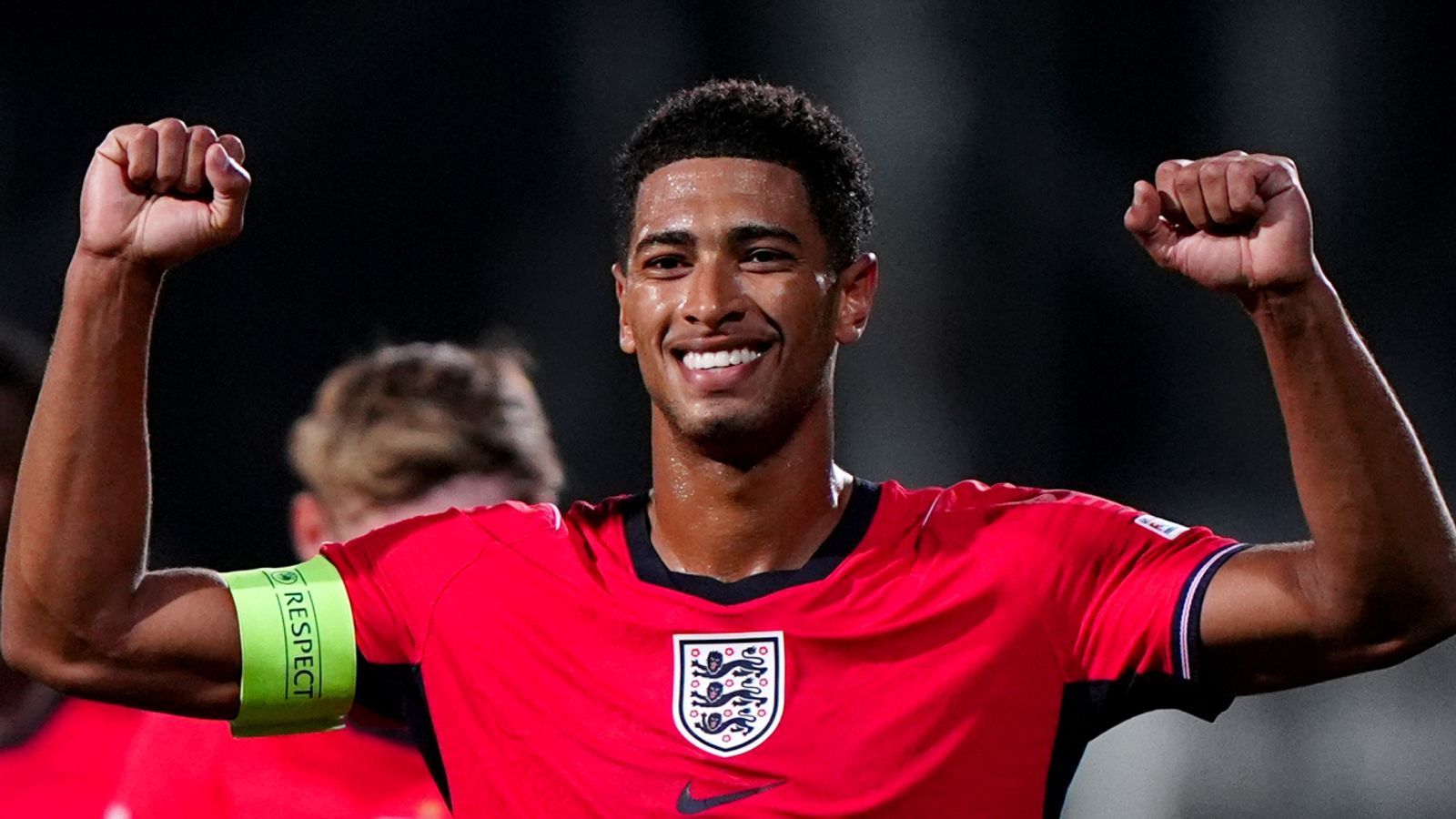
For Saka, this tournament was a personal triumph, even if the team fell short. He proved that he is not just a great Premier League player, but a genuine international star. He belongs on the biggest stage, playing against the best teams in the world.
The next two years will be pivotal for this team. They have the talent to win the next tournament, but they need the right leadership to get them over the line. If Tuchel cannot learn from this mistake, the FA might have to look elsewhere.
In the end, the bronze medal match was a reminder of what could have been. It was a showcase of England's attacking potential when they are allowed to play without fear. It was a beautiful, frustrating, and ultimate reality check for a manager who thought he could outsmart the game.
Read Next
- Thomas Tuchel has no time to waste after this World Cup finish
- Tuchel's England selection headache is officially here
- England's 2026 World Cup run was a statistical anomaly
- The absurd reality of football's most pointless fixture
- 🏆 World Cup 2026 — Full Coverage Hub
- 🏴 England World Cup 2026 — Three Lions Hub