The kids are not all right and neither is your theory
Everyone spent the last four years screaming into the void about how pace, youth, and high-pressing intensity were the only ways to win a trophy. We were told that squads needed to be packed with twenty-somethings who run until their lungs give out, ignoring the grizzled veterans who actually know how to close out a game. Well, look at the aftermath of this summer's tournament and check the receipts.
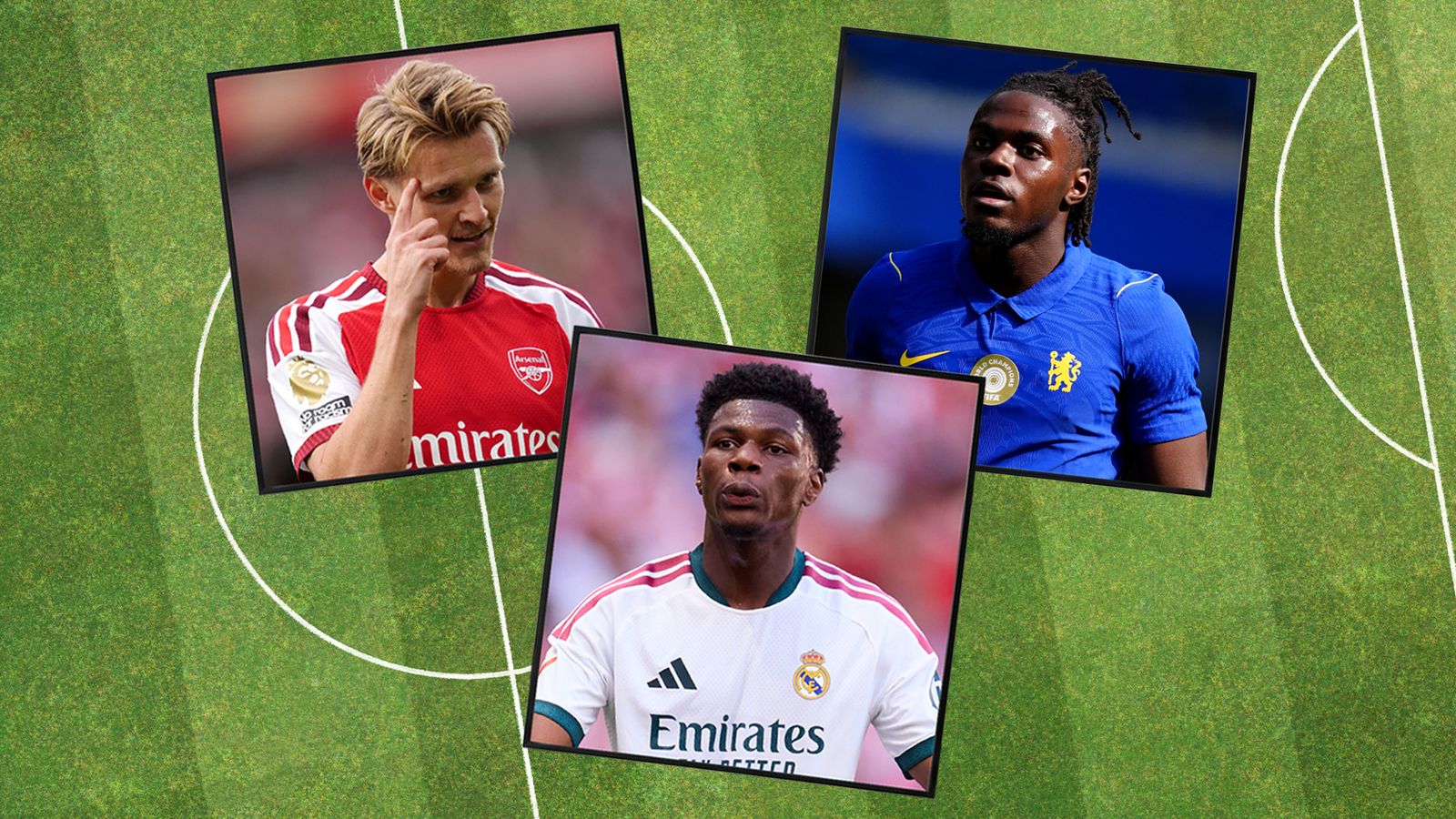
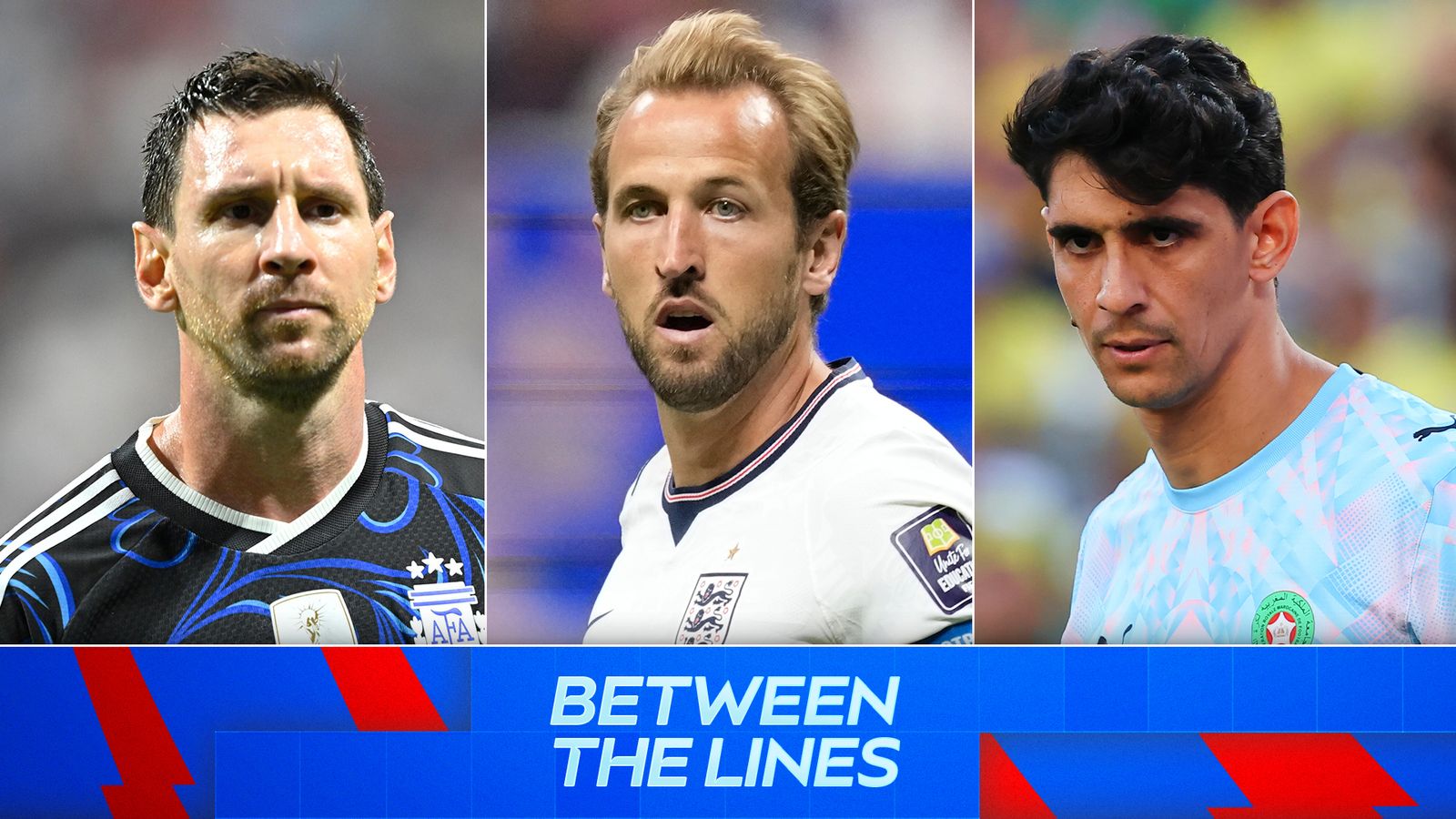
As Sky Sports reported in their tournament deep dive, the winning squads were noticeably tilting toward more experience. We saw older starting lineups taking home the glory while the supposed 'next generation' of turbo-charged kids were left panting in the heat. It turns out that when the lights are brightest, you don't need a kid who just learned how to handle a press; you need an adult who has seen every defensive shape in the book.
Substitutes are now the main characters
If you genuinely thought managing a game was about sticking to your eleven starters for eighty minutes, you belong in a museum. The data proves that this tournament was won from the bench. Managers aren't holding onto their subs until the final five minutes out of some misplaced sense of loyalty anymore. Those days are gone, buried somewhere alongside leather balls and short shorts.
The impact of fresh legs in this heat was the difference between holding a lead and crumbling like a cheap cracker. We saw decisive goals coming from guys who hadn't touched the grass until the hour mark. Managing a roster in 2026 isn't just about picking the best players; it is about managing a rotation that keeps your engine room running at peak efficiency through the final whistle.
The goal drought is officially dead
Remember when international football was a slog of 1-0 games and defensive masterclasses that put you to sleep by half-time? Those days are rotting in the past. We witnessed a record number of goals this year, turning games into chaotic, back-and-forth brawls that kept the sports bars rocking until closing time. The gaps between the top-ranked teams and the rest of the pack created some lopsided scorelines, but it made for undeniable entertainment.
That said, don't mistake this for tactical perfection. While the scoring spike was fun, some of those lopsided results exposed a massive problem with the expansion. Watching a powerhouse put five past a team that looked like they were meeting each other for the first time in the tunnel isn't high-level competition. It's organized bullying with a FIFA stamp of approval. We want goals, sure, but we want a fight, not a demolition derby where one side forgot to bring a car.
Spain played the long game while others scrambled
Spain winning wasn't just about having the best technical skill on the pitch. They mastered the specific variables of this tournament: the grueling travel, the mid-summer heat, and the sheer mental exhaustion of a expanded field. While other nations were busy trying to sprint through the group stages, Spain treated the tournament like a marathon. They didn't burn their fuel before the knockout rounds. They stayed clinical, kept their composure, and let their opponents lose their minds while chasing the ball.
If you're still drafting your 'Youth Movement' manifesto for your club, throw it out. The average age of winners across the board suggests we are entering an era where savvy game management beats raw, unpolished talent every single time. Stop falling in love with eighteen-year-olds with fancy social media highlight reels. Start scouting guys who have been through the fire and know how to survive it. If you want to raise a trophy, you need to stop chasing the hype and start chasing results.
Read Next
- The World Cup's hollow American finale exposes a tournament of diminishing returns
- Argentina's World Cup final collapse was written in the numbers
- Argentina's disgraceful final whistle brawl cannot hide their tactical defeat
- Spain won the World Cup by abandoning their traditional passing obsession
- 🏆 World Cup 2026 — Full Coverage Hub