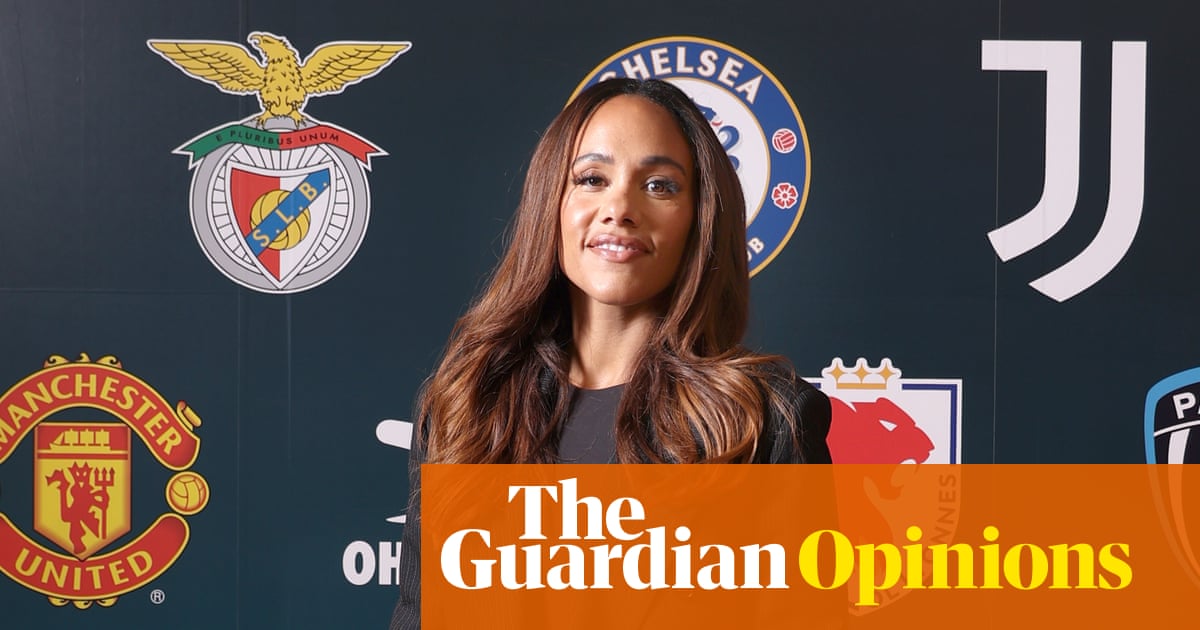
Why Modern Football Fans Track the Superstars, Not the Clubs
The Tactical and Cultural Shift From Badge to Name
Walk past any public pitch in London, Madrid, or Tokyo in August 2026 and the visual evidence hits you immediately. The dominant kits on display are no longer purely local navy or historic red. Instead, bright flamingo pink and vibrant Al-Nassr yellow saturate the grass.
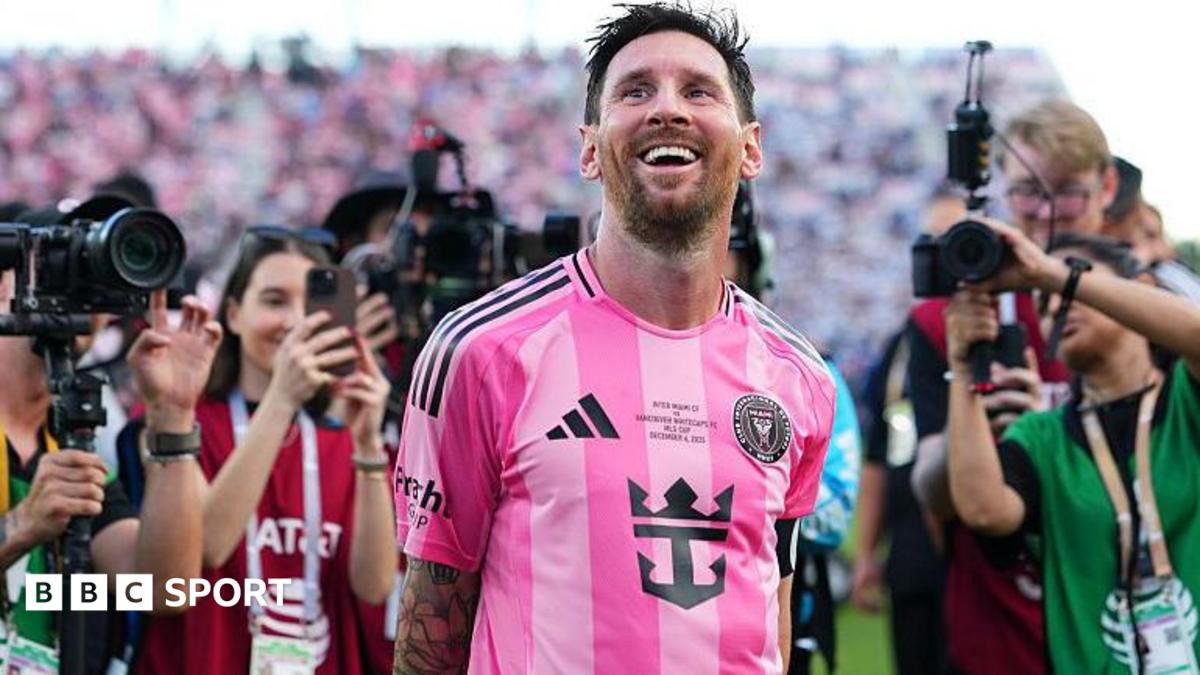
When Lionel Messi signed for Inter Miami in 2023 before securing his eighth Ballon d'Or later that year, it triggered an unprecedented commercial wave. Replica shirts vanished from distributors instantly and secondary ticket prices soared to absurd figures. Yet those supporters purchasing flamingo pink jerseys were not converting into lifelong South Florida terrace season-ticket holders.
Sports brand strategist James Kirkham highlighted this exact disconnect when analyzing modern supporter habits.
"A lot of people are walking around cities and towns in the UK and Europe wearing that flamingo pink of Inter Miami with zero affiliation to Miami, having never been there," Kirkham explained. "It's quite a normal thing now. But it is the player who has done the job."
This phenomenon signals a fundamental structural change in how matches are consumed. Traditional football support was anchored to geography, inherited family ties, and territorial stadium culture. Today, digital platforms and interactive media have detached player appreciation from local postal codes.
Modern fans develop their tactical literacy through EA Sports FC and Football Manager long before they analyze a live match from a stadium seat. They execute inverted wing play and asymmetric pressing setups with individual icons in digital space. Naturally, that personal familiarity moves with the player whenever they sign a new contract.
As Kirkham noted, younger fans are noticeably less rigid or tribal than previous generations. They possess an encyclopedic knowledge of tactics and players developed through video games, YouTube highlights, and digital trading cards. The distinction between managing a star in Ultimate Team and wearing their name on an Atletico Madrid, Chelsea, or Dortmund shirt has rendered the badge secondary.
Take Cristiano Ronaldo's staggering individual output in Saudi Arabia, where he has racked up 129 goals in 148 games for Al-Nassr. His individual scoring record draws global audience metrics that routinely outstrip mid-table European fixtures. The player's personal performance has effectively replaced the club's historic identity as the primary attraction.
From a tactical standpoint, this shift alters how teams operate on and off the ball. Managers no longer just build a collective pressing system; they must design structures that accommodate individual brand assets. When a single player commands a larger personal following than the club itself, tactical compromise becomes mandatory.
The Self-Commercialised Athlete and Independent Broadcast Channels
To understand how rapidly athlete media control has accelerated, rewind to the summer of 2018. Just days before France launched their World Cup campaign, Antoine Griezmann released 'The Decision', a half-hour television documentary revealing his transfer choice. Gerard Pique, whose production company produced the broadcast, famously posted a popcorn emoji to tease the reveal.
Griezmann ultimately chose to stay at Atletico Madrid that summer, before eventually transferring to Barcelona in 2019 and returning to Atletico two years later. But back in 2018, his NBA-style television broadcast felt clunky to traditional supporters and drew sharp criticism across Spanish football. The underlying impulse was clear, but the media distribution channels were severely behind the curve.
As Matthew Kyle, head of insights at Engage and MTM, observed, Griezmann was simply slightly ahead of his time. That early attempt at self-commercialisation lacked the direct, frictionless distribution channels available to today's stars. Modern players no longer need television networks or external production teams to control their narrative.
Erling Haaland, Jude Bellingham, Cristiano Ronaldo, and Lionesses star Ella Toone run their own digital platforms. England captain Harry Kane even co-created the Cleats Club app, enabling him to interact with fans on his own conditions. Athletes have evolved into autonomous media operations independent of their employers.
The growth metrics from recent international tournaments demonstrate the scale of this direct reach. Haaland gained 51 million followers across his social channels after July 1 following Norway's run to the last eight, surging to 76.7 million Instagram followers. That tally leaves Manchester City's official club account trailing by nearly twenty million followers.
Haaland achieved this by combining lethal pitch efficiency with unpolished digital presence. Whether posting photos in cowboy hats, assisting Norway's kit man, or leaning into viral memes, he presents an accessible persona. Fans invest in the human character behind the high-percentage finishing stats.
Even previously obscure figures can experience instant viral expansion under this digital reality. Cape Verde goalkeeper Vozinha watched his Instagram presence explode from 50,000 to nearly 30 million followers after his tournament heroics against Spain. Individual heroics generate instant global engagement that traditional club PR cannot match.
"For this audience, they are the club. These fans track individuals, not institutions."
As BBC Sport outlined in their investigation of shifting fandom, elite players now act as their own broadcast directors. They share behind-the-scenes vlogs, unscripted podcast appearances, and candid locker room moments directly with supporters. The modern fan connects with personal authenticity rather than curated club press releases.
Tactical Friction: The High Cost of Building Around Nomadic Stars
This migration of fan attention presents severe tactical and financial risks for club executives. Football tactics rely on spatial discipline, coordinated pressing triggers, and defensive compactness. When a board signs a global superstar primarily to capture foreign markets, the head coach is often forced into uncomfortable tactical compromises.
We see this tension unfold when a manager tries to implement an intense high block. If the new marquee signing lacks the defensive work rate or recovery speed to execute that press, the entire defensive structure fractures. The coach cannot bench the star without sparking a commercial firestorm, leaving the team vulnerable to quick central transitions.
The structural vulnerability becomes glaringly obvious the moment the superstar departs. Consider Turkish club Trabzonspor, who recently signed Mohammed Salah following his iconic nine-year career at Liverpool. Or take Tottenham Hotspur, who spent a decade cultivating a massive South Korean fanbase centered on forward Son Heung-min.
During Son's tenure in North London, Spurs surpassed Manchester United to become the most-supported foreign club in South Korea. But when Son completed his move to LAFC last summer, the commercial gravity shifted immediately. LAFC reported that their official YouTube channel subscriber count more than doubled, with 70 percent of those new subscribers originating from South Korea.
Spurs did not lose their entire Korean audience overnight, but LAFC captured the immediate surge. When nomadic supporters follow an individual icon across oceans, the former club remains saddled with heavy wage structures designed around a departed centerpiece. Building a long-term football strategy around transient player loyalty is a precarious operational plan.
Griezmann's initial back-and-forth between Atletico Madrid and Barcelona serves as an ideal case study in tactical disruption. His 2018 documentary alienated match-going fans, and his subsequent 2019 transfer to Catalunya disrupted Barcelona's positional spacing without delivering structural success. Pure star power without tactical cohesion rarely produces sustained trophies.
The Second-Club Reality and What Lies Ahead
This shift has catalyzed a new supporter framework that legacy football administration was unprepared for. Fandom is no longer a zero-sum equation where a fan pledges exclusive devotion to a single crest. Modern football consumption embraces liquid secondary loyalties alongside inherited roots.
According to the industry study 'The Rise of the Second Club Fan' by Engage and MTM, an astonishing 80% of global supporters now follow a second team. As lead researcher Matthew Kyle noted, these fans are not discarding their primary hometown clubs. Instead, they are actively curating additional teams to track based on individual players, managers, or aesthetic style.
Geography is no longer an insurmountable barrier to fandom, particularly in countries lacking dominant domestic leagues. A fan in East Asia or North America can easily maintain a primary local team while following an English Premier League club, an MLS franchise, or a Saudi Pro League side based entirely on player movement.
Even non-playing figures are beginning to drive this secondary engagement model. The dramatic global attention captured by Wrexham under Hollywood owners Ryan Reynolds and Rob McElhenney demonstrates that narrative storytelling can generate fan allegiance almost out of thin air. As Matthew Kyle explained in the BBC report, football operates as a multi-season drama where fans follow compelling storylines regardless of league standings.
For club boardrooms and tactical planners, the lesson of 2026 is uncompromising. Institutional loyalty can no longer be taken for granted based on stadium history or historic trophies. Clubs must construct coherent tactical systems, robust academy pathways, and distinct cultural identities that survive individual player exits.
If a football club relies solely on a rented superstar to inflate its global brand, it functions as nothing more than a temporary host body. The moment that player packs their boots, the nomadic audience marches out the gates behind them, leaving an empty stadium and an unsustainable wage bill in their wake.
Read Next
- Lionel Messi looks ready to walk away and nobody can blame him
- August 13 delivered Shearer's birth, Wembley red cards, and Pep's City debut
- Everton and Palace just pulled off the most logical swap deal in years
- Arsenal's wild summer transfer scramble is getting dangerously entertaining
- 🇦🇷 Argentina World Cup 2026 — Defending Champions Hub
- 🇵🇹 Portugal World Cup 2026 — A Seleção Hub
Icon Sports Group Premier League Official Licensed Soccer Poly Scarf
Wear your colors with pride during the title run-in.
Frequently Asked Questions
How has video gaming influenced modern football fandom?
What role did Lionel Messi's transfer play in player-led fandom?
Who is James Kirkham and what are his views on fan habits?
How many goals has Cristiano Ronaldo scored for Al-Nassr?
Why do managers adjust tactics for superstar players?
More Coverage
Why Ruben Amorim is misusing Goncalo Ramos at AC Milan
an hour ago
Rio Ferdinand is 100 percent right about the JJ Gabriel drama at Man United
7 hours ago
Man City got caught and Mauricio Pochettino wants his lost trophies back
12 hours ago
Manchester City's legal showdown is about to tear the Premier League apart
15 hours ago
Top 10 Real Madrid Transfer Sagas and Squad Dilemmas
17 hours ago
Liverpool's £90m Van Dijk replacement comes with a massive tactical catch
1 day, 1 hour agoMore Analysis
Why Ruben Amorim is misusing Goncalo Ramos at AC Milan
an hour ago
Liverpool's £90m Van Dijk replacement comes with a massive tactical catch
1 day, 1 hour agoFrom Wayne Rooney's debut to Bernabéu shockers: Football's wildest September 28
1 day, 10 hours ago
Man City Found Guilty of Financial Breaches and Fans Are Losing It
3 days, 15 hours ago
Why Xabi Alonso and Roberto De Zerbi are already facing a tactical wall
4 days, 17 hours ago