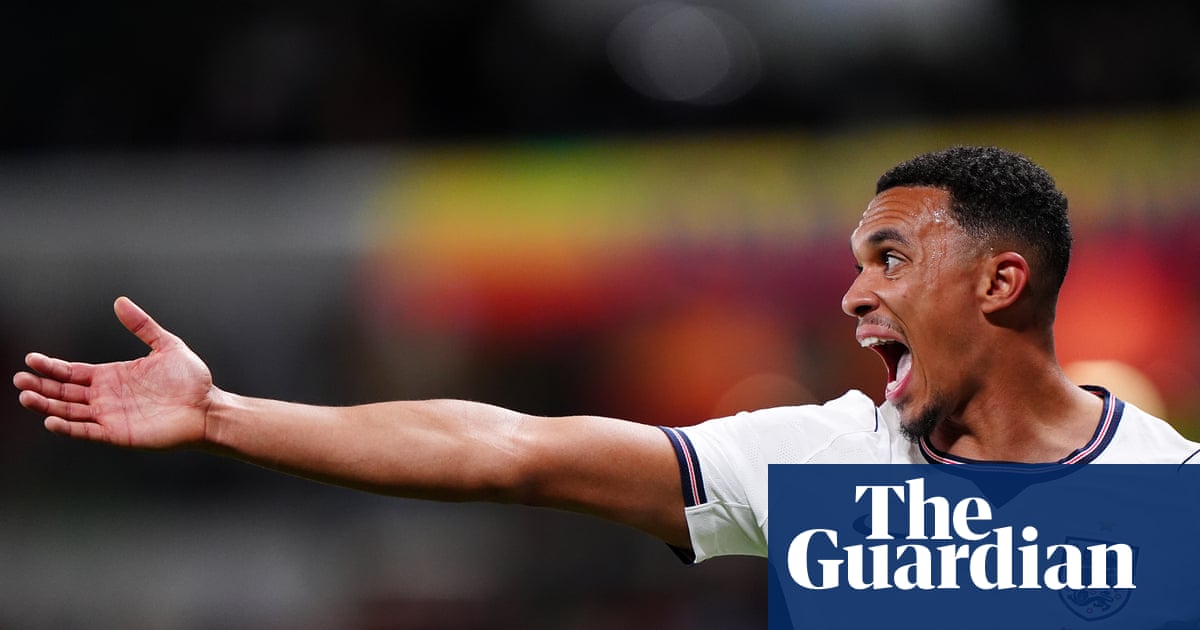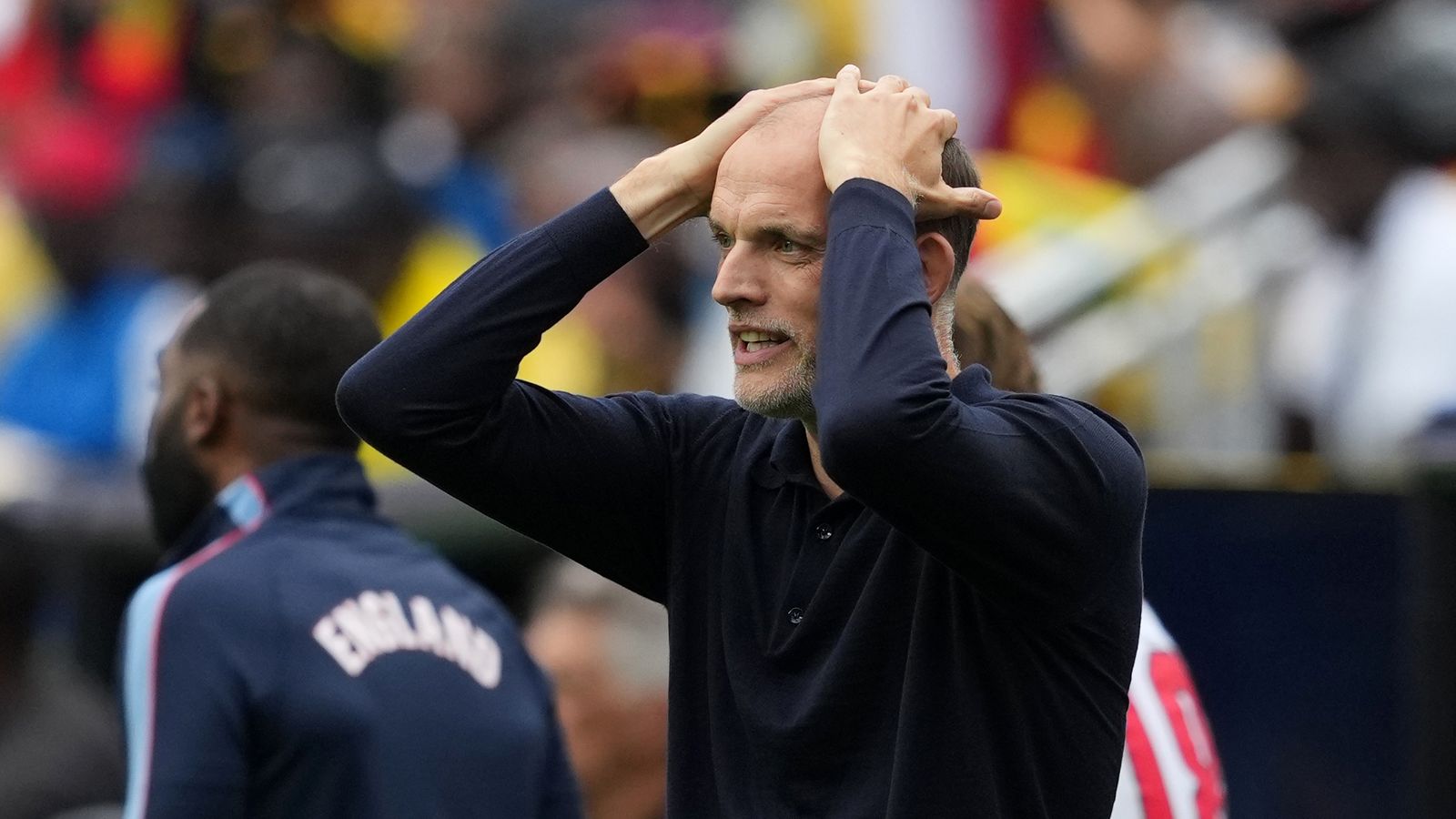
The Atlanta trap at Mercedes-Benz Stadium
England enter the World Cup knockout stage with familiar expectations and a fresh set of anxieties. Under Thomas Tuchel, the team has shown flashes of tactical flexibility, but Wednesday’s round-of-32 clash in Atlanta presents a distinct tactical challenge. The opponent is DR Congo, a team that has spent this tournament mastering the art of the low block.
They did not reach the knockouts by accident. Their Group K campaign began with a grueling 1-1 draw against Portugal, where they limited one of the tournament favorites to just two shots on target.
They followed that by conceding only once in a narrow 1-0 defeat to Colombia, before securing progression with a dominant 3-1 victory over Uzbekistan. They are physical, organized, and perfectly happy to play without the ball.
Tuchel is fully aware of the threat. In his pre-match press conference, he noted that DR Congo alternate between a compact 5-3-2 out of possession and a 5-diamond-4 when building up.
This structural flexibility allows them to close down the half-spaces where Jude Bellingham and Morgan Rogers like to operate. If England become slow in possession, they will walk straight into a defensive swamp.
As Tuchel vowed that the bigger the game, the bigger England will be, the reality is that knockout matches are won on the margins. DR Congo’s shape is designed to frustrate elite opponents by forcing them wide and defending cross after cross with three physical center-backs.
If England cannot find vertical passing lanes early, the Mercedes-Benz Stadium could play host to a major upset. A slow start will be punished.
DR Congo's tactical blueprint
In their Group K opener against Portugal, DR Congo maintained a compact 5-3-2, compressing the distance between their defensive line and midfield line to less than 15 meters. This completely suffocated Portugal's playmakers in the central zones. Portugal finished the match with 72% possession but recorded an xG of just 0.65.
The Congolese defense relies on lateral shifting rather than stepping out of the defensive line. Their central center-back acts as a sweeper, while the wide center-backs match the runs of opposing inside forwards. This structure makes it incredibly difficult to create overloads in the half-spaces.
Against Colombia, their only defensive lapse came in the 64th minute. A third-man run from midfield bypassed their defensive screen, resulting in the game's only goal. England must replicate this movement if they want to break through.
When DR Congo win the ball, they look to transition immediately. Their wing-backs push high to provide width, while the two forwards run the channels to exploit the space left by opposing full-backs. They are direct, physical, and highly efficient in their transitions.
The right-back crisis and Tuchel's selection dilemma
Tuchel's preparation has been compromised by a double injury blow in defense. Both Reece James and Jarell Quansah have been ruled out of this fixture. While Tuchel insists the pair are close to returning, their absence leaves a massive void on the right side of England's back four.
The selection dilemma here is stark. Djed Spence is the only natural right-back remaining in the squad, but his defensive discipline remains a major concern against transition-heavy teams.
The alternative is shifting Ezri Konsa from his preferred central role to the right flank. Konsa offers defensive stability but offers almost nothing going forward.
This choice will dictate how England build their attacks. Shifting Konsa to the right allows England to transition into a back-three in possession, pushing the left-back higher up the pitch. However, this asymmetric shape limits England's width on the right, making it easier for DR Congo's five-man defense to shift and compress the space.
Spence, on the other hand, would provide overlapping runs to stretch the Congolese backline. But his tendency to vacate his zone is a massive risk.
DR Congo are lethal on the counterattack, frequently launching direct balls into the channels to catch advancing full-backs out of position. Tuchel must decide whether to chase offensive output or play it safe.
The consequences of squad planning
This right-back shortage highlights a glaring flaw in England's squad selection. Carrying only one fit natural right-back into a major tournament is a gamble that has backfired.
If Spence gets injured or picks up a card, Tuchel will be forced to play players completely out of position in a knockout match. It also puts immense pressure on Konsa, who has been a standout performer under Tuchel.
Shifting him wide removes him from his best position in the center of defense where his reading of the game is most valuable. Tuchel's faith in his squad will be put to the ultimate test in Atlanta.
Declan Rice and the midfield safety net
In midfield, the return of Declan Rice to training provides a massive boost, but his physical state remains a concern. The Arsenal midfielder has been playing through neural pain in his hamstring since Christmas. After picking up a knock against Ghana, he sat out the 0-2 win over Panama to rest.
His absence in that match allowed Tuchel to experiment, but Rice is indispensable for England's defensive balance. His ability to cover ground and halt transitions will be vital against a direct Congolese side.
Even at eighty percent fitness, Rice provides the defensive structure that Kobbie Mainoo and Jude Bellingham need to push forward. But Rice's physical decline over the season is a warning sign.
His hamstring issues have limited his mobility, making him less effective at stopping quick transitions before they reach the defensive line. If DR Congo bypass England's counter-press, Rice will be left isolated against runners.
Should Rice struggle, Tuchel has options, but none offer the same defensive coverage. Jordan Henderson offers veteran leadership but lacks the mobility to track runners over ninety minutes. Mainoo and Rogers are excellent progressors but do not possess the same defensive instincts.
Rice must be the anchor, even if he is playing on one leg. Tuchel cannot afford to get this selection wrong.
"If it means that sometimes I have to miss out because we have other players who can play against a certain opposition, I'm fine with that, as long as we keep going and winning matches."
Unlocking the block: Tuchel's tactical path
Unlocking DR Congo's 5-3-2 will require patience and precise spacing. In their clinical victory over Panama, England found joy by rotating their front three and using Jude Bellingham as a late-running midfielder. But DR Congo will not offer the same defensive gaps.
England must avoid the trap of recycling the ball slowly across their backline. To break down a five-man defense, the ball must move quickly from half-space to half-space to force the Congolese midfielders to slide. If the wingers remain isolated on the touchline, DR Congo will easily double up on them.
Tuchel needs to utilize central rotations. Bellingham must drop deeper to draw a central defender out of the backline, creating space for diagonal runs from the wide players.
If England rely solely on crosses, they will play directly into the hands of the Congolese defense. There is also the threat of a penalty shootout.
Jordan Pickford has confirmed that the team has trained extensively for the possibility of 120 minutes and penalties. While Pickford insists England want to win in normal time, they cannot afford to let the game drift. The longer the match remains scoreless, the more the pressure will build on the favorites.
"You have to be prepared for anything, knockout football, anything can happen, we as England want to win in 90 minutes. But if it takes 120, or penalties, we are prepared."
The mental hurdle of the shootout
England's history with penalty shootouts is well-documented. Tuchel's preparation must extend beyond tactical shapes to the psychological demands of knockout football. DR Congo have nothing to lose, which makes them incredibly dangerous as the clock ticks down.
If England fail to score in the first hour, the anxiety in the stadium will rise. The players will start taking fewer risks, playing safer passes, and settling into a slow tempo that suits the opponent.
Tuchel must prevent this stagnation by using his bench proactively to inject energy. England cannot afford to sleepwalk into extra time.
A confident prediction: Surviving the Atlanta heat
This is a dangerous game for England. DR Congo have already proven they can frustrate elite European opposition, and England’s right-back issues are a clear point of vulnerability. Tuchel's side will dominate possession, but they must be clinical with the few high-quality chances they create.
England need to establish control in the first fifteen minutes. A quick goal would force DR Congo to abandon their low block, opening up spaces for England's runners.
If England score early, this could turn into a comfortable afternoon, but an early goal is unlikely against such a disciplined defense. Instead, expect a tense, tactical battle.
England will struggle to break down the block early on, but their depth should eventually tell. A late breakthrough from midfield will spare them the agony of a shootout.
As England look at the World Cup knockout bracket, they know there are no easy games left. Tuchel's tactical adjustments will be tested, but England's individual quality should see them through. We expect a narrow, hard-fought victory.
Our money is on a tight victory for the Three Lions. Prediction: England 1-0 DR Congo.
Read Next
- Thomas Tuchel's selection crisis makes England vulnerable to DR Congo
- Thomas Tuchel's right-back curse might derail England's World Cup run
- England face a massive right-back crisis ahead of DR Congo clash
- England face a terrifying World Cup survival test against DR Congo
- 🏆 World Cup 2026 — Full Coverage Hub
- 🏴 England World Cup 2026 — Three Lions Hub