MetLife Stadium is ready for a collision of two footballing worlds. On one side stands Brazil, a team undergoing a deep identity crisis under a European manager. On the other side is Norway, a side that had never won a knockout match in its World Cup history until last week.
The Seleção arrived here after a desperate 2-1 escape against Japan in Houston. After falling behind to a Kaishu Sano strike in the 29th minute, they looked structurally disjointed. It took a Casemiro equalizer and a dramatic 95th minute winner from Gabriel Martinelli to save them from humiliation.
Critics back home were unforgiving, labeling the team's slow, possession-heavy style as stale and dangerous. Carlo Ancelotti, who took over in May 2025, was quick to fire back at his detractors.
Ancelotti defended his record with a characteristically sharp response.
"In Italy, they say that all men want to be coaches and all women architects," Ancelotti said. "I don't know if I understand football or not, but no one can judge me on this. The only thing that's certain is that I've prepared for over 1,400 matches."
He followed up by emphasizing that years of experience at the highest level count for something.
"I am one hundred per cent sure I am not a genius, but at the same time, I am one hundred per cent sure I am not a fool," Ancelotti added.
Yet, the pressure is mounting. Despite the noise, a portion of the Brazilian public is learning to trust his methods. They want to end a 24-year World Cup drought, even if it means sacrificing Jogo Bonito.
But Norway represents a unique tactical challenge. Ståle Solbakken's side progressed by beating Côte d'Ivoire 2-1 in Dallas. Antonio Nusa scored a brilliant curling opener, and Erling Haaland secured the winner in the 86th minute.
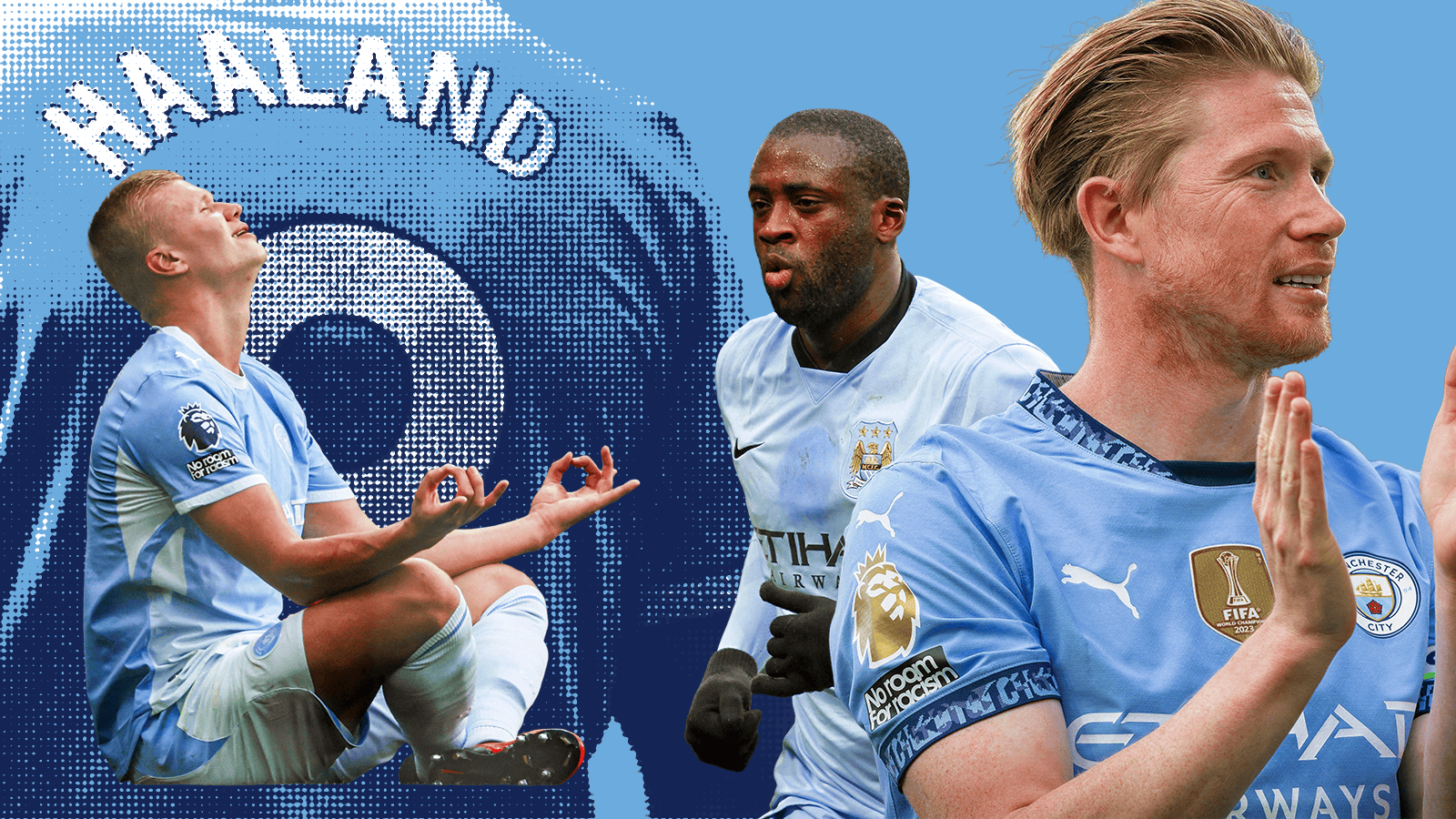
Now, the focal point of the pre-match talk is how Brazil will contain the Manchester City forward. Ancelotti, true to form, dismissed the noise. He insists there is no such thing as an anti-Haaland plan.
"They’ve obviously played against him several times, so there is no need for me to specifically teach them how to defend against him," Ancelotti remarked of his defenders. He believes Gabriel Magalhães and Marquinhos have enough experience to cope.
It is a bold claim. But tactical reality is rarely so simple.
The Defensive Trap: Why Gabriel and Marquinhos Need More Than Experience
Let's look at the numbers. Brazil defended with a high line against Japan, averaging 58 meters from their own goal. That worked well when Japan sat in a deep block, but it left vast spaces behind.
Sano's opening goal in Houston was a perfect example of this vulnerability. A quick transition caught Marquinhos flat-footed, allowing Japan to slice through the middle. If Japan can do that, Haaland will feast on those spaces.
Gabriel Magalhães knows Haaland's movements from their Premier League battles. Yet, at Arsenal, Gabriel is shielded by a compact mid-block and Declan Rice. In this Brazilian setup, Casemiro’s lack of recovery speed is a major worry.
At 34, Casemiro can no longer cover the ground he once did. Against Japan, his pass completion rate was 88%, but his defensive duel success rate dropped to 41%. He was repeatedly bypassed in transition.
Bruno Guimarães will need to play a disciplined role to protect the space in front of the center-backs. Guimarães himself admitted that they must be cautious, noting Haaland's ability to decide a match with a single touch.
If Guimarães is dragged wide to cover the overlapping runs of Julian Ryerson, the center will be open. That is exactly where Martin Ødegaard operates.
The Ødegaard Conduit and Norway’s Half-Space Threat
Norway’s attack is not just about Haaland's raw power. It is about how they feed him. Martin Ødegaard is the conductor of this orchestra, operating primarily in the right half-space.
In the group stage, Ødegaard completed 24 passes into the final third per 90 minutes. His connection with Nusa on the left is particularly dangerous. Nusa likes to cut inside on his right foot, dragging defenders out of position.
When the right-back is dragged inside, it creates a 1v1 situation for Haaland against the remaining center-back. Marquinhos has struggled with physical forwards who challenge him in the air.
Norway’s physical advantage is clear. They won 56% of their aerial duels in their 2-1 victory over Côte d'Ivoire. Brazil, by contrast, won only 44% against Japan.
Set pieces will be another major battleground. Norway scored from two corners in the group stage. Brazil's zonal marking system under Ancelotti has looked shaky, especially on second balls.
To counter this, Brazil must control the tempo of the game. They cannot allow the match to become a physical, end-to-end battle.
Breaking the Norwegian Block: The Vinícius Factor
If Brazil's defense has questions to answer, their attack has the quality to overwhelm Norway. The key lies on the left flank with Vinícius Júnior.
Against Japan, Vinícius completed six dribbles and created three chances. His ability to isolate Ryerson will be decisive. Ryerson is a tenacious defender, but he can be exposed by quick changes of direction.
Rodrygo will likely occupy the right wing, cutting inside to combine with Lucas Paquetá. This movement should drag Birger Meling out of position, opening space for overlapping runs.
Brazil’s main issue has been slow ball progression. In the first half against Japan, they recorded 340 passes but generated just two shots on target. They were passing for the sake of passing.
Ancelotti’s teams are known for their efficiency, not their aesthetic beauty. Critics who want the return of Jogo Bonito are missing the point. This team is built to win matches, not to entertain.
"I don't know if I understand football or not," Ancelotti said, responding to the criticism. It is a tongue-in-cheek remark from a man who has won everything. His track record suggests he knows exactly what he is doing.
But a World Cup knockout match is an unforgiving environment. One mistake can end a four-year cycle.
The Verdict: A Direct Collision of Styles
Norway will sit in a compact 4-1-4-1 block, looking to launch quick counter-attacks. They will trust Ødegaard to find Haaland with direct, vertical passes.
Brazil will dominate possession, looking to break down the block through individual brilliance. If they play at the slow tempo they showed against Japan, they will be punished.
Norway's physical presence will cause problems. But Brazil's superior technical quality should ultimately carry them through.
I expect a tight, tense affair at MetLife Stadium. Haaland will get his goal, but Brazil's attacking depth will make the difference.
My prediction is a hard-fought 2-1 victory for Brazil. Martinelli will once again prove to be the wildcard from the bench.
Read Next
- England are heading into a Mexico City buzzsaw and fans are in denial
- England face a tactical and physical mountain at the Estadio Azteca
- France face midfield crisis as Tchouameni injury concerns mount
- Tuchel must slow the game down if England are to survive the Azteca
- 🏆 World Cup 2026 — Full Coverage Hub
- 🇳🇴 Norway World Cup 2026 — Can Haaland Lead the Vikings?