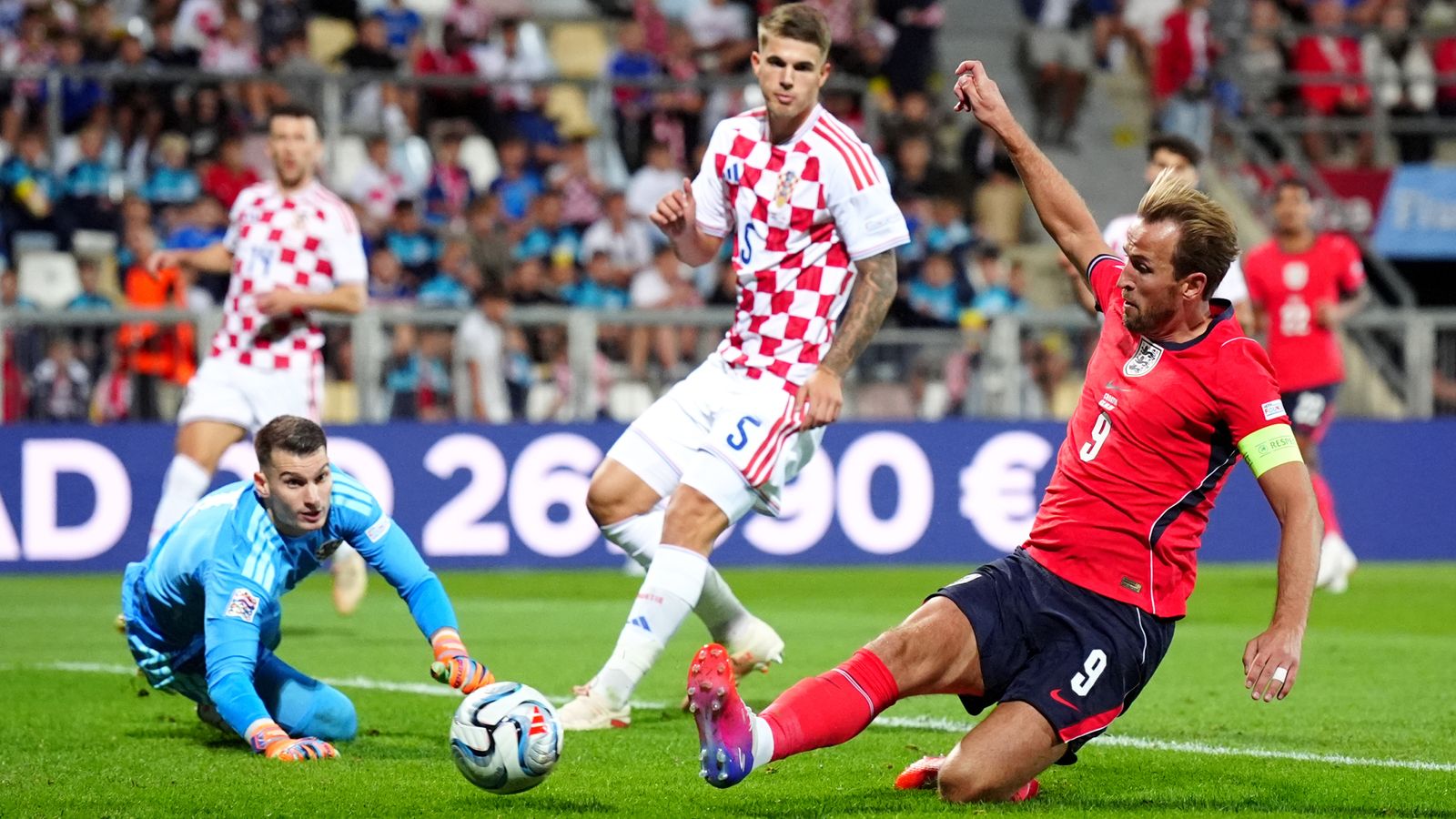
The tactical reality of Miami
England’s World Cup path arrives at a flashpoint on Saturday. Thomas Tuchel navigates a quarter-final against Norway under the Florida sun, a venue configuration that alters the physics of international football. The humidity in Miami forces a slower, more deliberate tempo, which clashes directly with the primary threat posed by Erling Haaland.
Tuchel understands that space is the oxygen for Haaland. In the typical European climate, England utilizes a high defensive line to squeeze the opponent into mistakes. In the 30-degree heat of South Florida, such an aggressive approach invites disaster. If the defensive unit tracks back too deep, they leave the pockets between the lines open for Norway’s creative rotations.
The return of the engine room
England are heading into their World Cup quarter-final against Norway with a massive morale boost. Wednesday training sessions confirmed that Declan Rice, Reece James, and Marc Guehi have all returned to the pitch. The sight of Rice back in the mix is perhaps the most significant development for Thomas Tuchel. Without him, the transition structure suffers.
Rice functions as the primary security blanket. His absence in the group stages saw England concede high-percentage transitions, losing the ball in the central third with a 68 percent completion rate under pressure. Returning for this match, his presence pivots the expectation of the press. He allows the wing-backs to push up without worrying about the immediate recovery sprint on an exposed back three.
Defensive limitations and tactical risks
Despite the return of personnel, England contains a glaring tactical flaw that Norway will exploit. The reliance on individual recovery pace to manage the wide channels leaves the central channel vulnerable to quick switches. Against teams with compact midfields, the 3-4-3 formation often becomes isolated at the heart of the pitch.
Tuchel needs the midfield rotation to function as a double pivot, not just a holding trident. If James and Rice stay too flat, they fail to track the late runs that Norway excels at exploiting from the interior. Norway operates with a verticality that punishes hesitation. If England’s defensive line settles at the 40-meter mark, they are essentially inviting a long-ball delivery that bypasses the midfield press entirely.
The stake of a nation
As reported by the Mirror, Tuchel is under immense pressure to deliver a trophy in this cycle. Winning in Miami guarantees a path to the final, something this squad has only tasted once in the modern era. The weight of expectation is heavy, yet the technical application remain the only metric that matters at this level.
My prediction for the match settles on a narrow outcome. England wins 2-1, but it will be a slog. Expect Norway to take the lead within the first 20 minutes before Tuchel adjusts the width, forcing the game into a physical grind that favors England's depth. He has no choice but to win; anything less will be viewed as a collapse given the investment in his system.
Read Next
- Tuchel faces his biggest nightmare in Miami as England meet Norway
- England’s tactical equilibrium hinges on a healthy midfield
- Thomas Tuchel has a defensive crisis ahead of the Norway quarter-final
- Tuchel's England prepare for Norway as FIFA suspension chaos looms
- 🏴 England World Cup 2026 — Three Lions Hub
- 🇳🇴 Norway World Cup 2026 — Can Haaland Lead the Vikings?