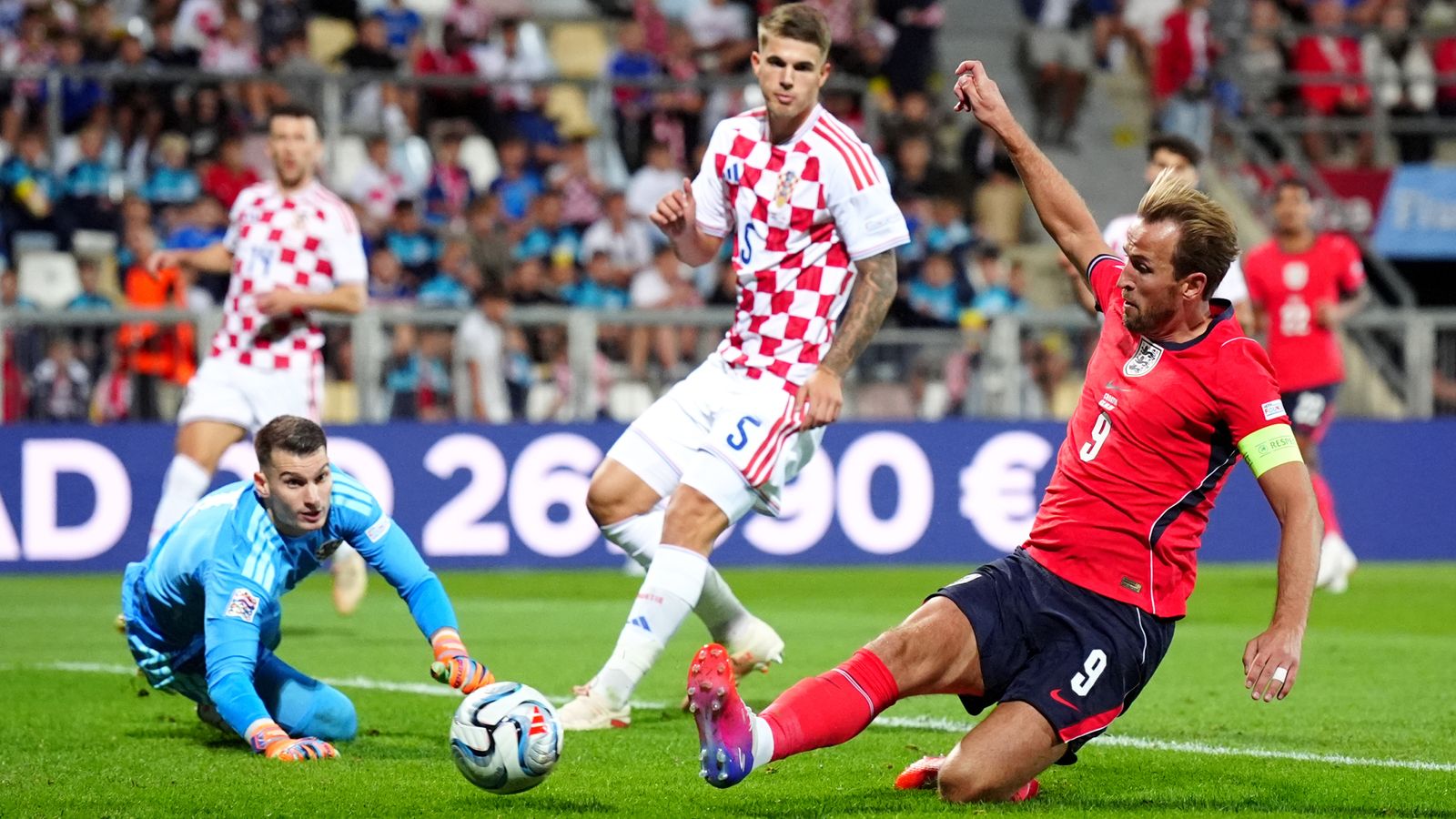
Tactical fragility in the midday heat
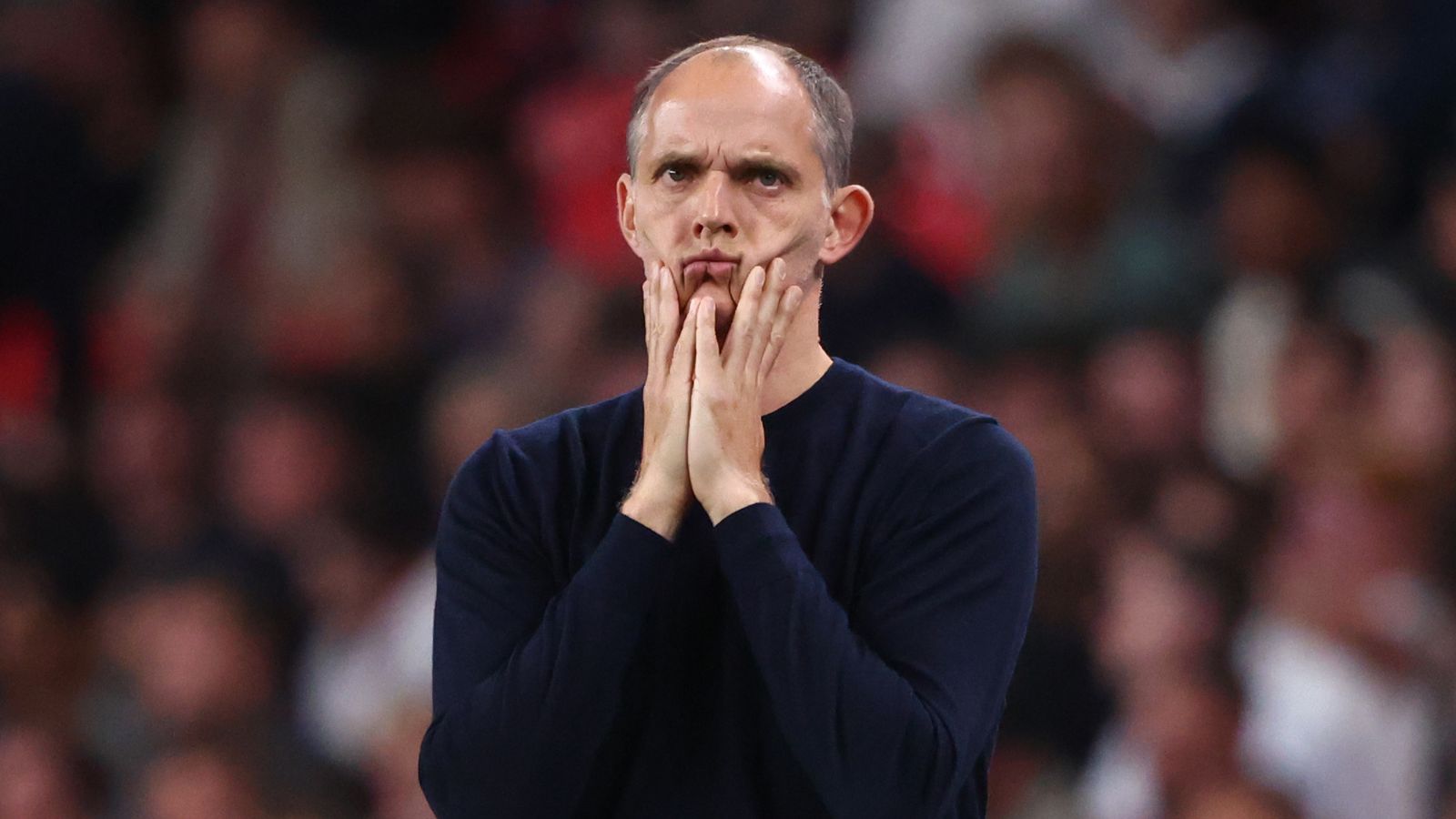
England steps onto the pitch in Miami this Saturday with a World Cup semi-final berth hanging in the balance, but the mood around the camp is far from settled. Thomas Tuchel is currently facing an alarming series of fitness setbacks that could dictate the shape of his back three. The defensive transition, which has been the bedrock of his tournament strategy, now looks vulnerable to Norway’s direct vertical transitions.
The fitness concerns regarding the personnel at the heart of the press are particularly taxing. Without a settled defensive anchor, the high line Tuchel prefers could prove catastrophic against Erling Haaland. We have seen this England squad struggle with tracking runners when the midfield pivot is bypassed in the first 20 minutes of play. Relying on makeshift pairings in the quarter-final is a gamble that rarely pays off at this level.
The Norway problem and the engine room gamble
Why the midfield composition matters
Norway is not a team one can simply out-possess. Their efficiency in creating chances from long diagonals means England must retain the ball in advanced areas to stifle their counter-attacks. If the expected midfield trio loses the ball in the middle third at the rate they did against the group stage opponents, the central defenders will be forced into 1v1 situations they are physically ill-equipped to win.
Tuchel must decide whether to reinforce the base of the midfield or trust his wing-backs to track back deep. A standard 3-4-3 formation often leaves the flanks exposed when the wing-backs push high. Should the starting XI feature a more conservative pivot, the side might lose the creative fluency needed to break down Norway's low block. The balance between control and penetration remains elusive.
The personnel issue
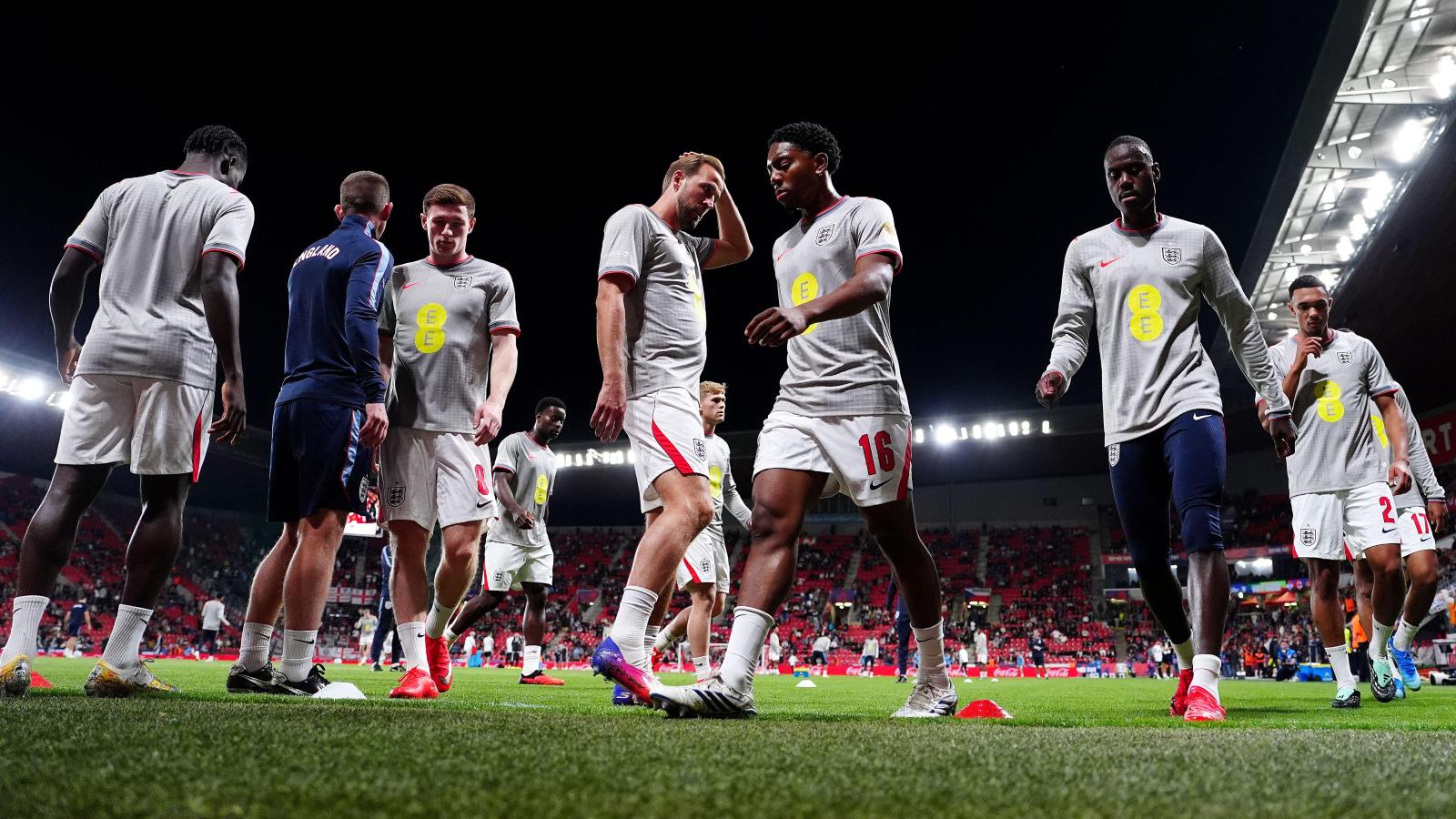
The absence of key defensive figures has forced a shuffle that will likely see a forced experiment in the back line. Playing a player out of position against a striker of Haaland’s caliber is a tactical failure regardless of the eventual scoreline. The coaching staff has not shown enough rotation in the lead-up to this knockout tie to suggest the backup options are match-fit for a high-intensity 90-minute shift.
Statistically, the defensive win rate in aerial duels and recovery runs has dipped, and that is a byproduct of the instability Tuchel refuses to address with a firm selection policy. If the opposition targets the left channel, where communication has been notably poor throughout the tournament, England will concede chances early. Expecting the goalkeeper to bail out a leaky defensive structure is not a sustainable tournament plan.
Predicting the outcome
I see this being a remarkably nervy affair decided by a single moment of individual quality rather than a coherent tactical masterclass. England has the raw talent to create chances, but Norway knows exactly how to punish the gaps left by an unsettled defense. While the squad has the individual brilliance to equalize, the defensive organization is a liability that will be exposed under sustained pressure.
My prediction is a tight 2-1 loss for England, with Norway exploiting a defensive error in the transition phase during the second half. Tuchel's reluctance to solidify the back line will be the primary reason for a quarter-final exit. The game will be lost in the 74th minute when tired legs fail to track a secondary runner, leaving the goal exposed.
Read Next
- Thomas Tuchel is walking into a tactical minefield against Norway
- England vs Norway: The tactical breakdown of a World Cup showdown
- England vs Norway: Haaland is the ultimate test of Tuchel’s tenure
- Stale Solbakken thinks Norway can drop England in the World Cup quarters
- 🇳🇴 Norway World Cup 2026 — Can Haaland Lead the Vikings?
- ⚡ UCL Quarter-Finals 2026 — Full Coverage Hub