The Seattle Slaughter: Belgium Shreds USA After Trump's FIFA Intervention Fails
The United States Men's National Team is out of the World Cup, dumped in humiliating fashion on home soil. A 4-1 defeat to Belgium on Monday, July 6, 2026, at Lumen Field in Seattle ended the host nation's campaign in the Round of 16. The campaign is over.
Belgium dominated the match in Seattle from the opening whistle. Charles De Ketelaere scored twice in the first half, repeatedly exploiting massive gaps in the American defensive line. It was a rout.
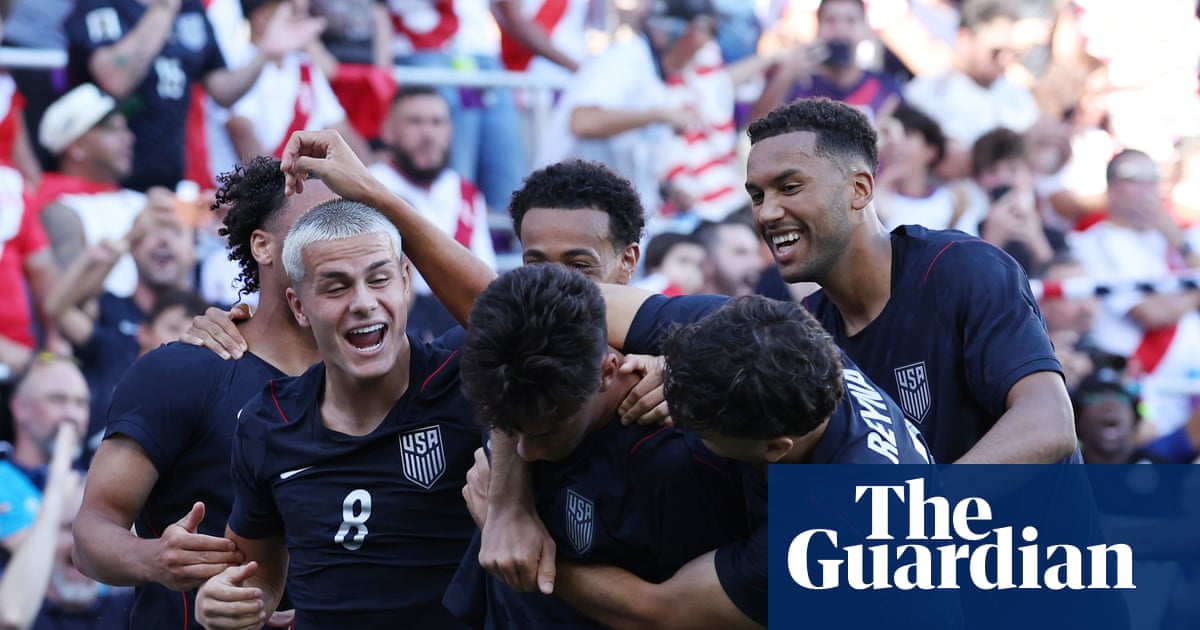
The United States briefly showed signs of life when Malik Tillman equalized with a brilliant free-kick. However, Belgium quickly regained control before the halftime break. Second-half goals from Hans Vanaken and substitute Romelu Lukaku sealed the thrashing, booking Belgium's place in a quarter-final match against Spain.
Folarin Balogun, the star striker whose availability dominated international news before kickoff, turned in a forgettable performance. Although he earned the foul that led to Tillman's free-kick goal, Balogun struggled to make any meaningful impact on the match. The political bypass failed.
Balogun finished his tournament with a total of three goals. However, his performance at Lumen Field was a shadow of his group-stage form. The striker appeared weighed down by the intense political controversy that surrounded his last-minute inclusion in the squad.
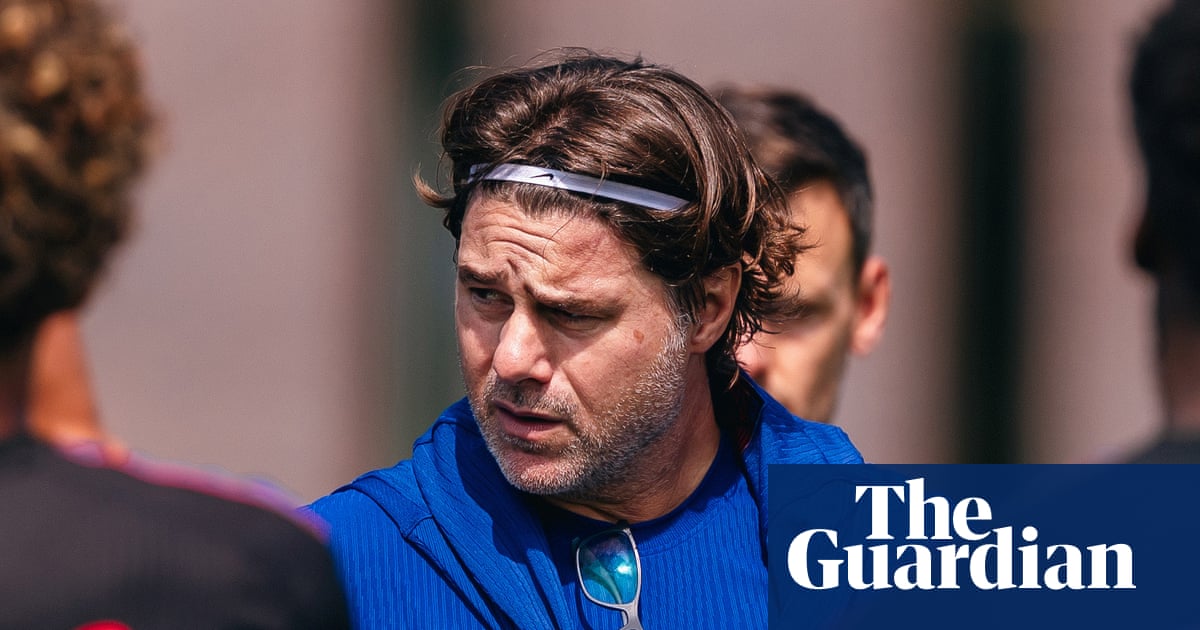
Following the final whistle, US manager Mauricio Pochettino took responsibility for the defeat. He admitted that the team did not perform at the level they had shown earlier in the tournament. The manager acknowledged that the tactical setup failed to contain Belgium's creative players, leaving the US exposed in transition.
With the US team now eliminated, the immediate question of Balogun's tournament availability is resolved. The team will return to their club duties, while the administrative debate continues. The sporting consequences of the affair remain.
The Backroom Deal: How Balogun Escaped His Bosnia Ban
Balogun's starting role followed an unprecedented intervention from the US government. The striker had received a straight red card against Bosnia and Herzegovina in the Round of 32 for a challenge on an opponent's ankle. A direct red card carries an automatic one-match suspension, which should have ruled him out of the Belgium game.
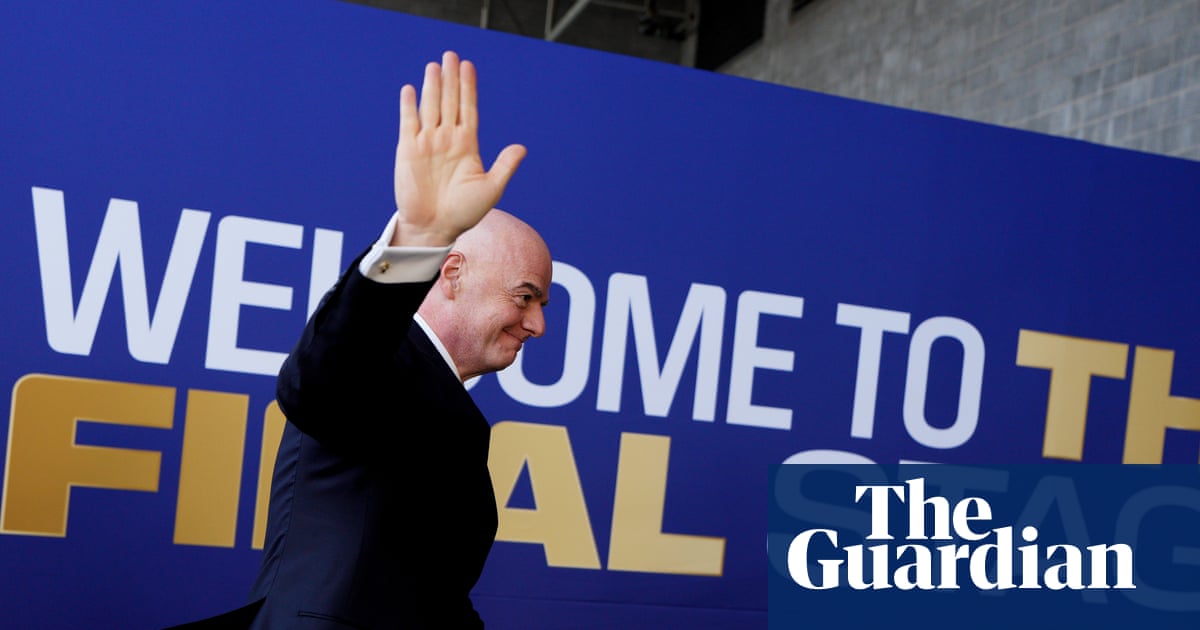
Instead of accepting the ban, the White House intervened. US President Donald Trump and task force director Andrew Giuliani called FIFA President Gianni Infantino to demand a review of the red card. As The Mirror reported, the automatic suspension would be postponed.
To justify the decision, the FIFA Disciplinary Committee invoked Article 27 of the FIFA Disciplinary Code. This suspended the ban for a probationary period of one year. The Royal Belgian Football Association immediately filed formal protests, and UEFA officials warned the move threatened sporting integrity.
Thank you to FIFA for doing what was right and reversing a great injustice.
Trump celebrated the decision on Truth Social, thanking FIFA for reversing the suspension. The wider sporting world saw the decision as a blatant capitulation to political muscle. FIFA bent the knee.
The controversy surrounding the decision grew on the eve of the match. Belgian football officials expressed deep astonishment at FIFA's sudden U-turn. They pointed out that suspending a direct red card ban for a probationary period during a tournament was entirely without precedent.
Football analysts argued that the decision compromised the competitive fairness of the knockout stages. Opponents felt that the United States was receiving special treatment as a host nation. The pressure on Balogun to perform after such a highly publicized rescue was immense, and it showed in his performance.
The Double Standard: FIFA's Surrender to Political Muscle
FIFA historically maintains a zero-tolerance policy toward government interference. The governing body has previously suspended associations like Nigeria, Cameroon, and Kuwait when politicians attempted to influence football affairs. Yet, when the host nation's president lobbied for Balogun, FIFA abandoned its principles.
The double standard sparked outrage among rival nations. The Belgian federation argued the decision compromised the tournament's fairness. By allowing Balogun to play, FIFA proved the rules are flexible for powerful host countries, damaging its own disciplinary credibility.
For US Soccer, the episode is an administrative embarrassment. Although the federation did not initiate the call, they accepted a political bypass of the sporting code. The short-term gain of Balogun's availability was wiped out by a disorganized defensive performance.
The long-term damage to the international game could be significant. By establishing that a phone call from a head of state can delay a suspension, FIFA has weakened its own authority. Other nations may now seek similar political interventions in future tournaments, citing this decision as a precedent.
The global football community has reacted with widespread skepticism. Pundits have pointed out that the sport's governing body has lost any moral authority to enforce independence rules. The incident marks a low point for the credibility of the sport's administrative structures.
The Silent Defeat: Trump Ignores the Scoreline to Talk Defense
Following the whistle in Seattle, President Trump broke his silence on social media, but he avoided any mention of the match. While the country reeled from the elimination, the president used his Truth Social platform to post a rant focused entirely on military recruitment and domestic policy. He chose to highlight the strength of the armed forces rather than address the national team's exit.
In his post, Trump praised the military's performance during the Celebration of 250 Years of American Independence, claiming the War Department has never been hotter. He also urged Congress to pass a new reconciliation bill when they return. He wrote that the bill must include a massive 350 Billion Dollars for defense spending, alongside the Save America Act.
The omission of the defeat was glaring. In a Truth Social statement published after the game, the president chose to ignore the team's failure on the pitch. For US fans, the political sideshow only amplified the frustration of a premature tournament exit.
The contrast between the White House's pre-match boasting and post-match silence was stark. The administration had framed the lifting of the ban as a victory for the country. When the match turned into a rout, the political narrative shifted instantly to military power and defense budgets.
US fans are left to pick up the pieces of a failed tournament. The debate over Pochettino's future and the team's defensive frailties will dominate the post-mortem. Meanwhile, the administrative shadow of the Balogun affair will linger long after the tournament ends.
Read Next
- The USA must ignore the political circus around Folarin Balogun to beat Belgium
- Donald Trump just called Gianni Infantino to rewrite the FIFA rulebook
- USMNT got exactly what they deserved in the Seattle soccer circus
- Top 10: Top Moments of the USMNT 2026 World Cup Run
- 🏆 World Cup 2026 — Full Coverage Hub
- 🇧🇪 Belgium World Cup 2026 — Red Devils Hub