The Big Picture
The 2026 World Cup has officially descended into administrative anarchy. FIFA's sudden decision to suspend Folarin Balogun's red card ban after a direct White House appeal has obliterated the rulebook. In a tournament built on strict sporting integrity, we are now watching geopolitical muscle override the referee's whistle. This list ranks the ten most controversial, politically charged, or flat-out broken moments in World Cup history.
From handballs that stole semi-final spots to backroom deals that saved global superstars, these incidents redefined the tournament's boundaries. Some occurred on the pitch in front of billions; others were cooked up in executive suites. Here is how they stack up, ranked by their sheer audacity and lasting damage to the game.
The Top 10 World Cup Controversies
1. Folarin Balogun's political reprieve (2026)
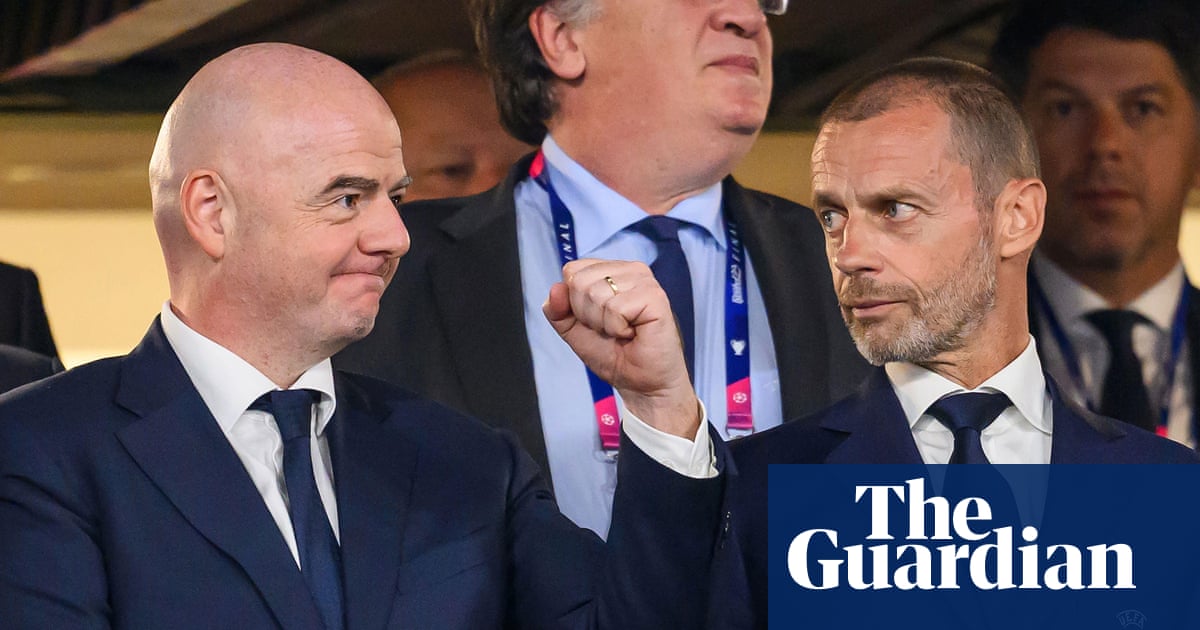
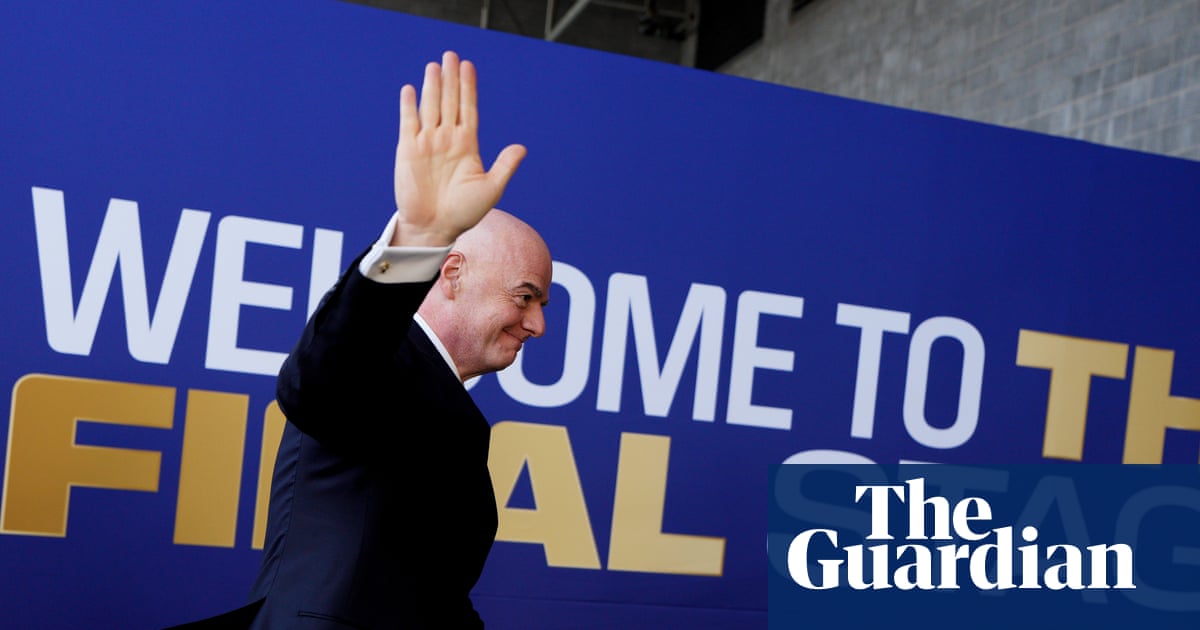
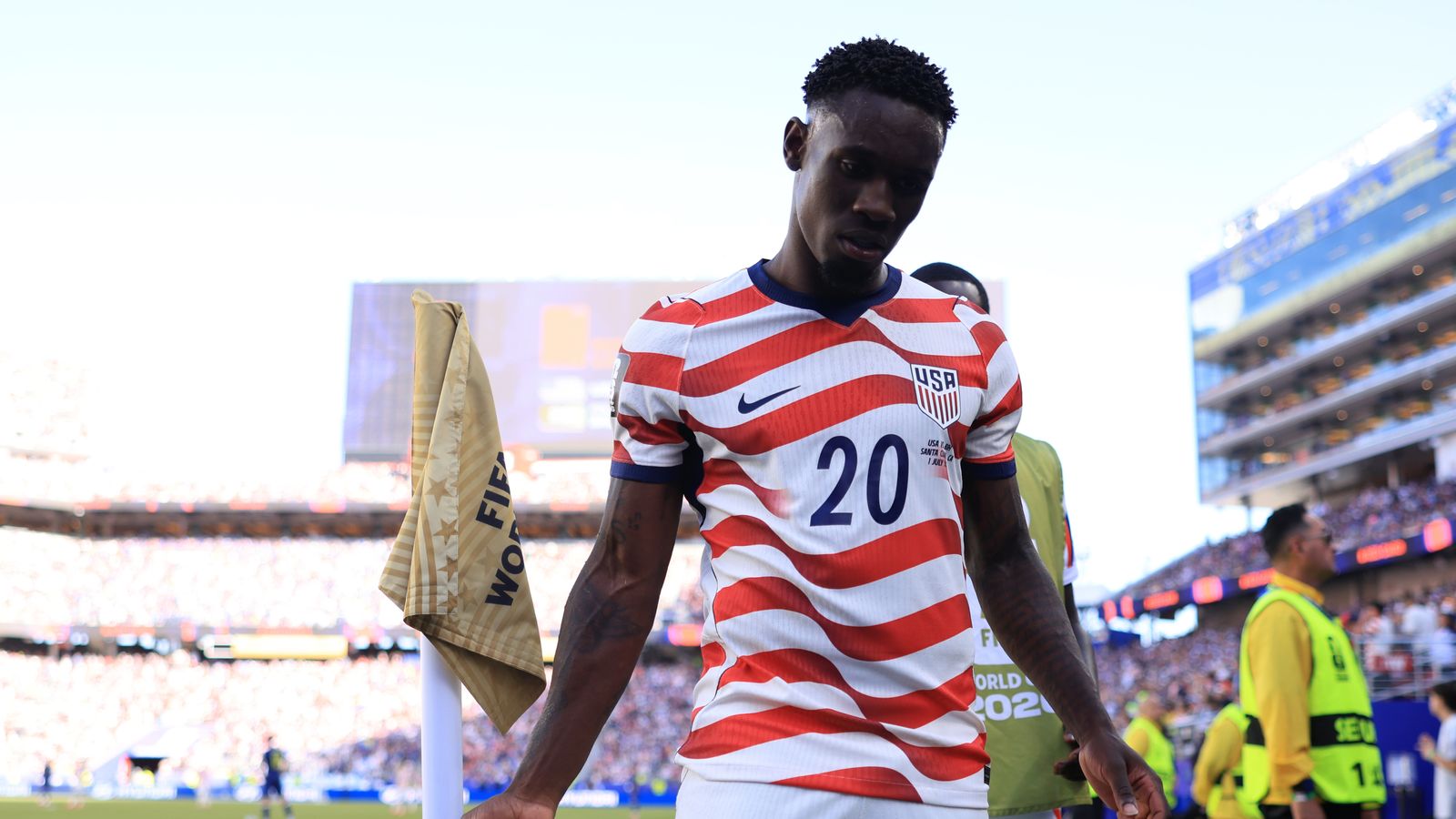
The American forward was sent off after catching Tarik Muharemovic with high studs in a last-32 win over Bosnia-Herzegovina. That red card carried an automatic suspension, ruling him out of Tuesday's knockout match against Belgium. Instead, Donald Trump phoned FIFA President Gianni Infantino, prompting FIFA to suspend the ban for a probationary year. As Sky Sports reported, UEFA is furious that political pressure successfully subverted the tournament rules. This ranks first because selective rule-bending destroys the competitive integrity of the entire sport, allowing the hosts to field a player with three goals in this tournament who should be in the stands.
"Red cards are not overturned by political phone calls." — Sepp Blatter
2. Diego Maradona's Hand of God (1986)
During the 1986 quarter-final in Mexico City, Argentina's Diego Maradona punched the ball over England goalkeeper Peter Shilton to score. The Tunisian referee Ali Bennaceur missed the handball, allowing the opening goal to stand despite English protests. Argentina won 2-1, with Maradona later scoring a legendary second goal that overshadowed the blatant cheat. It ranks second because it was a pitch-level refereeing error, unlike the calculated boardroom corruption saving Balogun today. Still, it remains the most infamous unpunished foul in World Cup history.
3. Zinedine Zidane's final headbutt (2006)
In the 2006 World Cup final in Berlin, France captain Zinedine Zidane headbutted Italy defender Marco Materazzi in the chest. The referee missed the assault, but the fourth official spotted it on a television monitor and intervened. Zidane received a red card in the 110th minute of extra time, ending his legendary career in disgrace. Italy went on to win the penalty shootout after a 1-1 draw. This ranks third because a global superstar self-destructed in the biggest game of his life, creating an iconic shockwave.
4. Cristiano Ronaldo's Nations League loophole (2025)
The Portugal captain faced a three-game ban for elbowing Dara O'Shea in a qualifier, which should have sidelined him for Portugal's first two World Cup matches. Instead, FIFA intervened in 2025 to suspend the final two games of the ban, allowing him to play from the start. They used Article 27, the same obscure rule deployed for Balogun, establishing a dangerous precedent. We can trace the current Balogun disaster directly to Cristiano Ronaldo avoiding a ban through backroom politics. It ranks fourth because, while corrupt, it did not involve a sitting president calling the FIFA chief mid-tournament.
5. Luis Suarez's goal-line save (2010)
In the final minute of extra time during the 2010 quarter-final, Uruguay's Luis Suarez used his hands to block Ghana's goal-bound header. Suarez was sent off, but Asamoah Gyan missed the resulting penalty, and Uruguay won the subsequent shootout. Suarez celebrated wildly on the touchline, cementing his role as a villain in African football history. This moment ranks fifth because it represents the ultimate sacrifice of sportsmanship for tournament survival. It remains one of the most polarizing debates, proving the dark side of winning at all costs.
6. Frank Lampard's ghost goal (2010)
During the 2010 round of 16 in Bloemfontein, England's Frank Lampard hit a shot that struck the crossbar and landed yard over the German goal line. The officials failed to award the goal, leaving England trailing instead of equalizing. Germany capitalized on the deflated English team and went on to win the match 4-1. This refereeing error sits at number six because it directly forced FIFA to implement goal-line technology. While the mistake was catastrophic, its long-term impact improved the sport, unlike the Balogun decision which degrades it.
7. Harald Schumacher's challenge on Patrick Battiston (1982)
In the 1982 semi-final, West Germany goalkeeper Harald Schumacher charged out and leveled France's Patrick Battiston, leaving him unconscious. The referee Charles Corver did not award a foul, let alone a card, and simply ordered a goal kick. West Germany eventually won the match on penalties to reach the final. This ranks seventh because of the sheer violence of the challenge and the complete failure of the officials to protect a player. It is a grim reminder of how poor refereeing once allowed physical harm to go unpunished.
8. Byron Moreno's round of 16 display (2002)
Ecuadorian referee Byron Moreno delivered a disastrous performance during the 2002 round of 16 match between co-hosts South Korea and Italy. Moreno sent off Italy's Francesco Totti for an alleged dive and disallowed a legitimate golden goal for offside. South Korea scored shortly after to eliminate the Italians in one of the tournament's biggest upsets. It ranks eighth because, although suspicions of match-fixing lingered for years, it remains a pitch-level disaster. The Italian public was justified in their outrage, as a refereeing display effectively decided a knockout match.
9. Jarell Quansah's red card and England's grievance (2026)
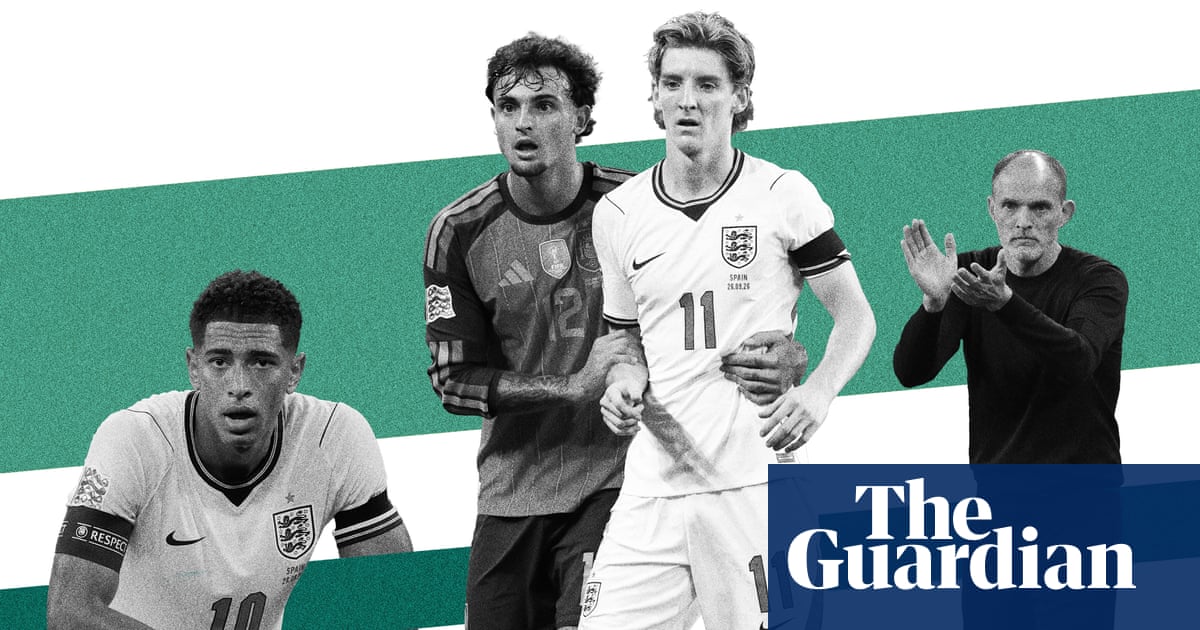
England defender Jarell Quansah received a red card against Mexico on Monday, ruling him out of the quarter-final against Norway. Hearing of Balogun's reprieve, England boss Thomas Tuchel sarcastically questioned where the line is now drawn. Tuchel asked if Harry Kane should request Donald Trump to call FIFA to get Quansah's ban overturned. This ranks ninth because it illustrates the immediate chaos FIFA's favoritism has unleashed on the tournament. It proves that selective rule enforcement breeds cynicism and destroys the sporting merit of subsequent knockout matches.
10. Geoff Hurst's Wembley goal (1966)
In the 1966 final, Geoff Hurst's extra-time shot struck the underside of the crossbar and bounced down. The referee consulted linesman Tofiq Bahramov, who signaled the ball had crossed the line, giving England a lead. England went on to win 4-2, securing their only World Cup title to date. This sits at number ten because, despite decades of video analysis, we still cannot prove if the ball fully crossed the line. It is the original World Cup controversy, but it ranks last because it was an honest human error without camera assistance.
Honorable Mentions
Several other controversies missed the cut but deserve notice. Spain's disallowed goals against South Korea in 2002 showed the depth of tournament refereeing issues. Josip Simunic receiving three yellow cards in a single match from Graham Poll in 2006 remains a historic officiating blunder. Finally, the "Disgrace of Gijon" in 1982, where West Germany and Austria played out a mutually beneficial 1-0 result, forced FIFA to synchronize final group matches. None of these, however, match the blatant political pressure we are witnessing today.