The Big Picture: Assessing the tenure
Thomas Tuchel’s time as England manager has been defined by rigid patterns and high-intensity tactical shifts. With the aftermath of the 2026 World Cup semi-final defeat to Argentina causing a storm of external criticism, it is time to rank the defining moments of his leadership.
10. The appointment announcement
The Football Association's decision to name Tuchel was a swift departure from recent tradition. It signaled a clear intent to prioritize tactical pedigree over familiarity with the English system. It remains the foundation of everything that followed.
9. Tactical overhaul against Brazil
In a friendly early this year, Tuchel successfully implemented a narrow press that stifled the Brazilian midfield for an hour. It showed his ability to impose a specific structure against top-tier South American opposition. However, the drop-off in the final third was already apparent.
8. Defensive focus in the group stage
Tuchel’s insistence on a conservative back three during the group phase earned him points for clean sheets. England suffocated their opponents by maintaining vertical density through the defensive line. Yet, this approach often left the attack isolated.
7. The benching of key veterans
Dropping established leaders to favor younger tactical fits was a signature Tuchel move. It demonstrated his willingness to prioritize his personal plan over dressing-room consensus. Predictably, this move created internal tension that lingered until the tournament's final whistle.
6. Mid-game adjustments in key qualifiers
During the qualifying cycle, Tuchel showed a sharp eye for in-game changes. His decision to shift from a 3-4-3 to a 4-2-3-1 effectively unlocked stubborn defenses on three separate occasions. These moments solidified his reputation as a coach who reads the flow of the game better than most.
5. Post-match focus on individual accountability
Following a narrow victory against a mid-tier European opponent, Tuchel criticized individual decision-making in the final third during a press briefing. It was a cold look at the team's lack of efficiency. He refused to blame the system, effectively throwing the burden onto player execution.
4. The defensive masterclass in the quarter-final
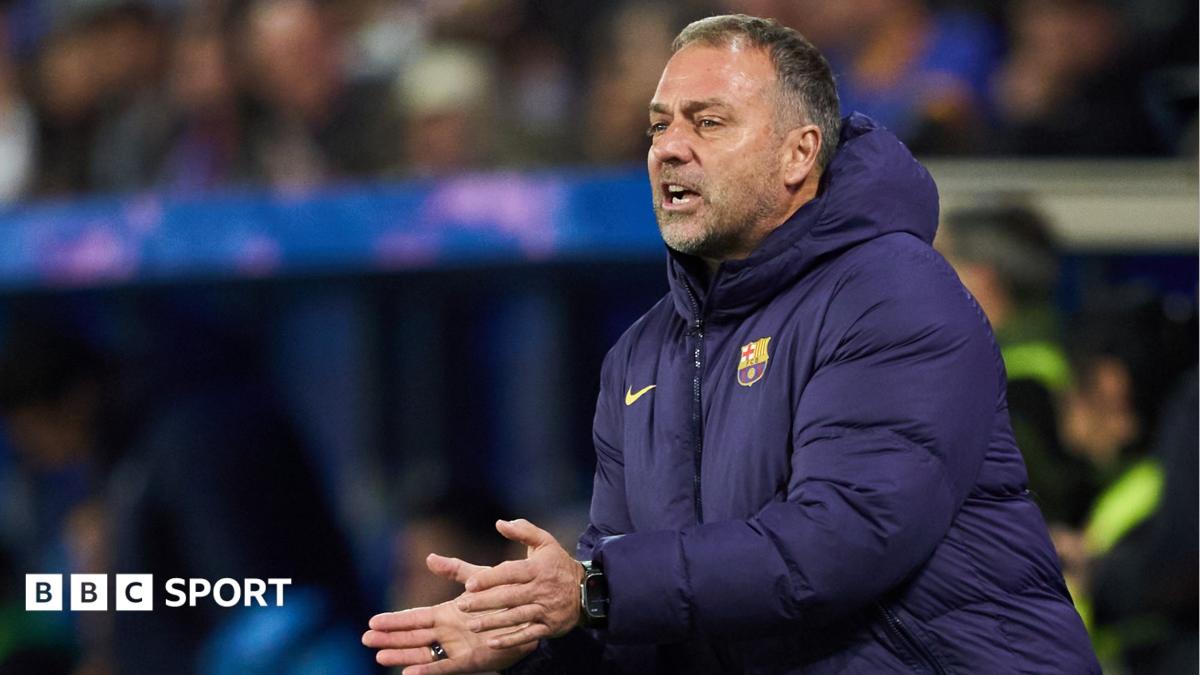
England reached the semi-finals partly because of a gritty win where they conceded only 0.4 in expected goals. Tuchel’s preparation nullified the opposition's wingers entirely. As the BBC reported, his defiance in defense of these tight tactical setups has become a recurring theme.
3. The refusal to engage in the post-defeat blame game
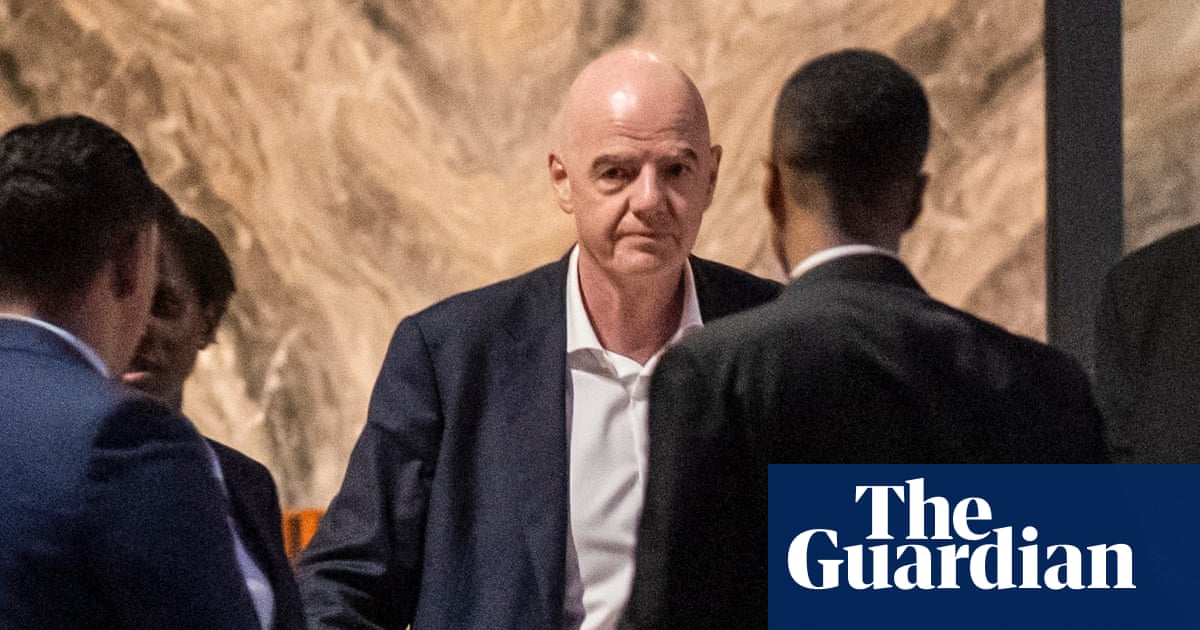
After the Argentina loss, Tuchel took a firm stance against the narrative of failure. He vowed not to participate in the public finger-pointing that often follows English tournament exits. According to The Guardian, the manager explicitly stated he has zero regrets regarding his calls.
2. The address to the squad post-World Cup elimination
Tuchel delivered an emotional address following the defeat to Argentina that aimed to refocus a gutted dressing room. It was a rare moment where he stepped out from behind the tactical board to provide human leadership. He urged the group to finish the campaign strongly despite the frustration of the result.
1. The press conference defense of tactical decisions
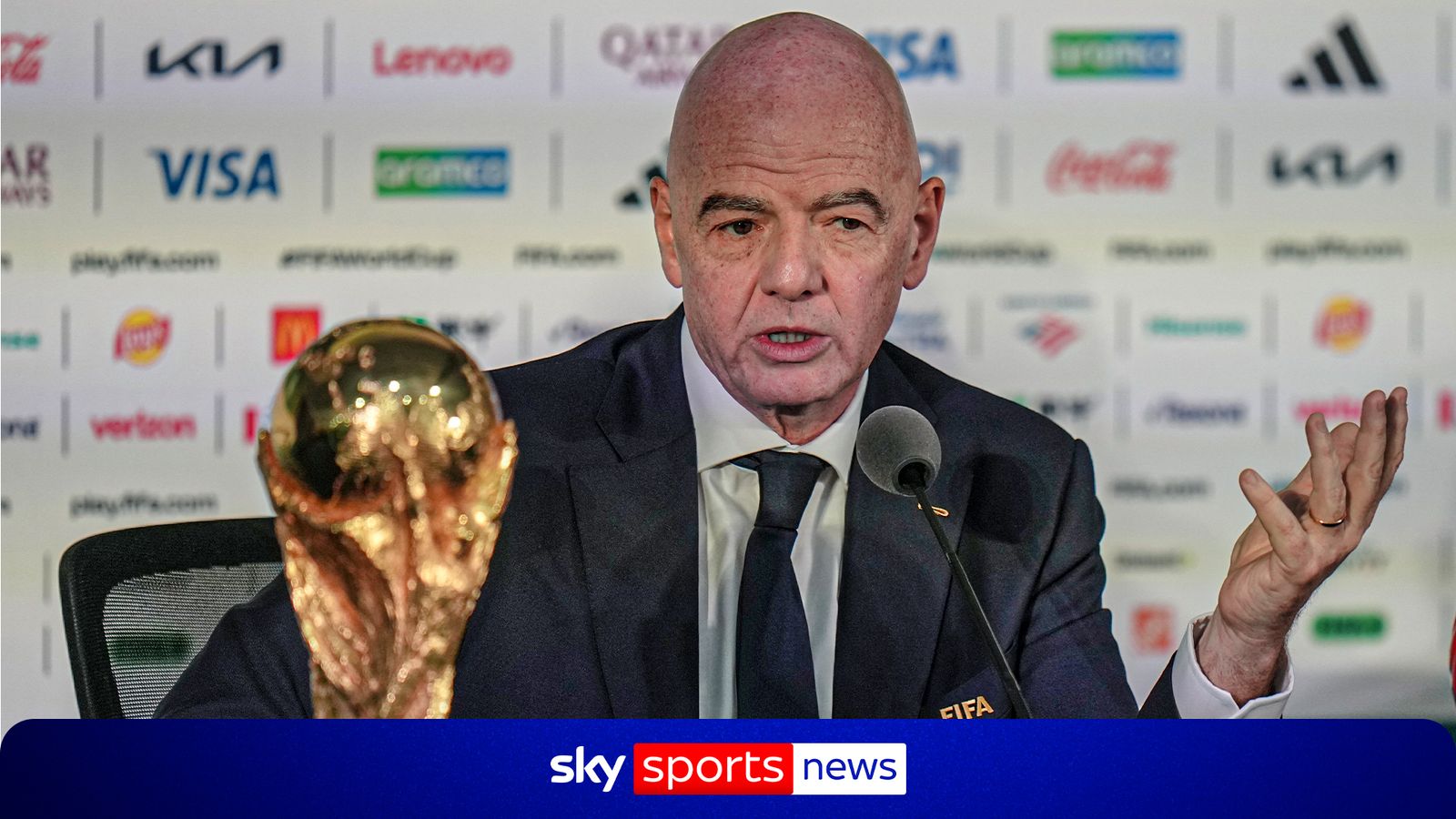
This is the definitive snapshot of the Tuchel era. Facing intense heat from critics, including political figures like Donald Trump, he remained entirely unshakeable. He branded the loss a scar the team now carries, doubling down on the decisions that led to the semi-final collapse. It was the ultimate display of his characteristic stubbornness.
Honorable Mentions
The failed experiment of playing a traditional target man alongside a false nine deserves a spot near the list for its sheer lack of offensive utility. Additionally, the pre-tournament fitness camp in Germany deserves mention for its intensity, which reportedly pushed several starters to their physical limits.