The inevitable gold-plated failure
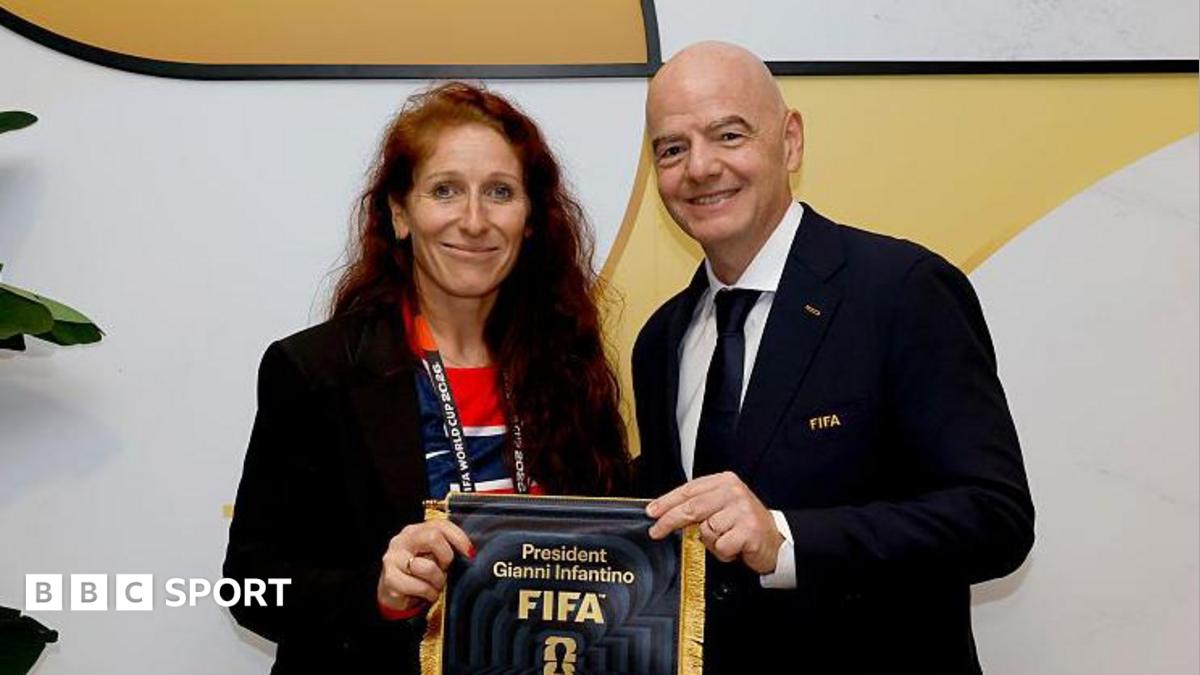
FIFA just announced that the prize money for the World Cup winners is ballooning to £37million. For most countries, this is an investment in grass-roots infrastructure or youth academies. For England, it is just another heavy rock stuffed into their already overpacked carry-on bag of historical baggage.
We have watched this movie before, and frankly, the box office returns are pathetic. Every time the FA dangles a carrot of insane financial stakes, the English national team enters a mode of self-combusting tension that defies physics. You look at their cycle and it feels like a Groundhog Day where the alarm clock is set to a constant loop of penalties and bad tactical pivots.
The pressure cooker is officially broken
Think back to the 2024 Euros. The mood was optimistic, the squad was stacked with Premier League royalty, and the pressure was so immense it could turn coal into diamonds. Yet, moments like the 86th minute in the final show exactly where their brains go when the big check is on the line. It is not about the talent; it is about the paralyzing fear of failing with the lights that bright.
Adding nearly forty million quid to the winner's pot does not motivate these players. They are already playing for clubs like Manchester City and Real Madrid on wages bordering on the obscene. Instead, this hike adds a performative sheen to the tournament. It makes the tournament feel less like a sport and more like a high-stakes casino floor where the English team is convinced they are the house, despite having a track record of losing at the craps table every single time.
The curse of the ledger
Remember when we laughed at AC Milan chasing Ruben Amorim because they thought a single tactical shift would fix a decade of rot? That is the exact same energy the English camp brings to every major tournament. They believe that with enough data, enough funding, and enough hype, the inherent 'England-ness' of the failure will just evaporate. As the latest reports are suggesting, the squad is already fractured by internal expectations.
There is a specific kind of agony in watching a team that is genuinely world-class for ten months of the year crumble in July because the national identity involves carrying the weight of 1966 on their shoulders. That £37million just adds a layer of gold-plated anxiety. When a team plays like they are guarding a royal vault rather than a football pitch, you get static, uninspired movement and safe backwards passing.
Why the gravy train is a trap
Maybe FIFA believes this prize money makes the competition more intense. In reality, it just forces the media machine into overdrive. We are already seeing the pundits sharpen their knives. By the time the round of 16 rolls around, the talk won't be about intricate build-up or defensive transitions; it will be about the value of the paycheck and the national shame of losing it.
You can see the difference when you compare them to the younger phenoms like Lamine Yamal. These kids play like they have nothing to lose, whereas the English veterans play like they are protecting a fragile, expensive antique vase. If you have been keeping up with how the financial structure has shifted, you know that this money is designed to make the tournament feel 'major', but it really just makes the inevitable collapse more expensive to witness.
In the end, this money does exactly nothing for the soul of the game. It just means that when England inevitably hits that woodwork or misses the decisive spot-kick, the commentary about their failure will have an extra digit on it. The fans deserve better, but history suggests we are all just waiting for the next hilarious, expensive way for them to go home early.
Read Next
- Top 10: Thomas Tuchel’s chaotic coaching moments
- Top 10: The England Reality Check Post-Argentina
- Chelsea and Tuchel are spiraling after the England heartbreak
- England fans are collectively staring at the wall after that World Cup exit
- 🏆 World Cup 2026 — Full Coverage Hub
- 🏴 England World Cup 2026 — Three Lions Hub