The Great Reset
England just watched the World Cup exit in Atlanta against Argentina, and the autopsy is already underway. Thomas Tuchel faces an immediate overhaul as expectations shift toward the 2028 European Championship.
The Ranking: Where England Stands in 2026
- Jude Bellingham: He remains the creative engine the side struggles to replicate when he's marked out of the game. Despite individual brilliance, he consistently lacks the support structure needed against high-pressing midfield units like Argentina. He earns the top spot because he is the only player guaranteed a permanent position in every formation.
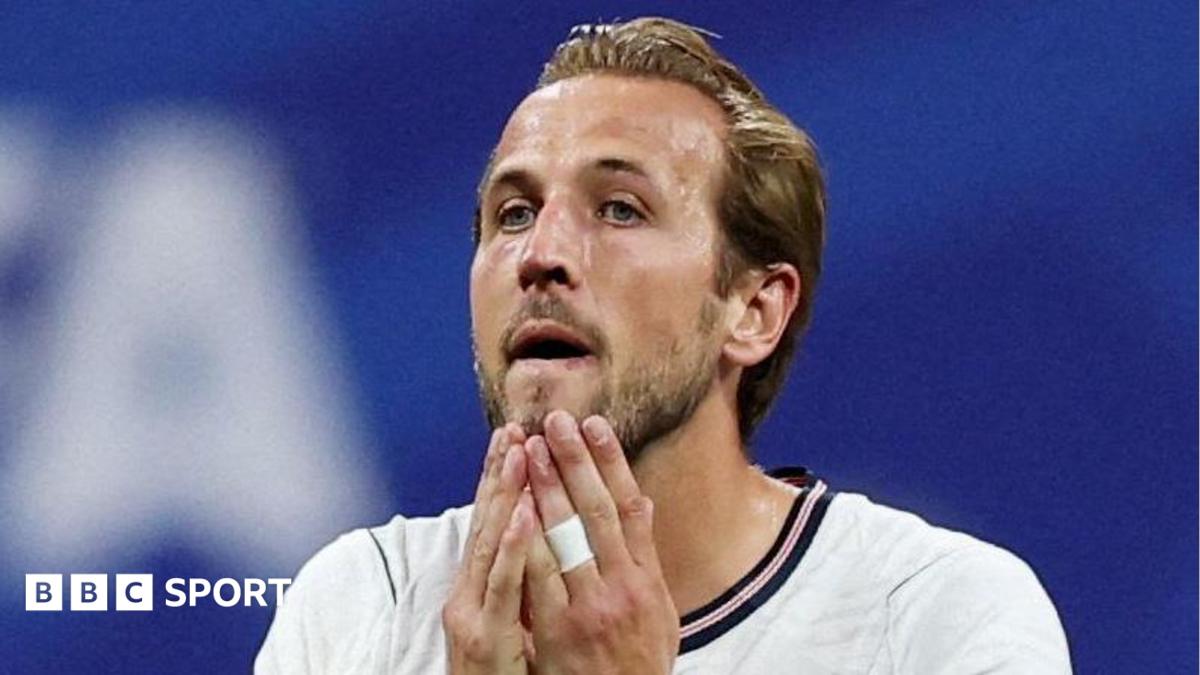
- Harry Kane: The captain remains the focal point, but his influence is waning at 32. He recently admitted the team is missing the final piece of the jigsaw after the 2-1 defeat in Atlanta. Criticized by former officials for his on-pitch demeanor, his tactical output is currently as questioned as his leadership.
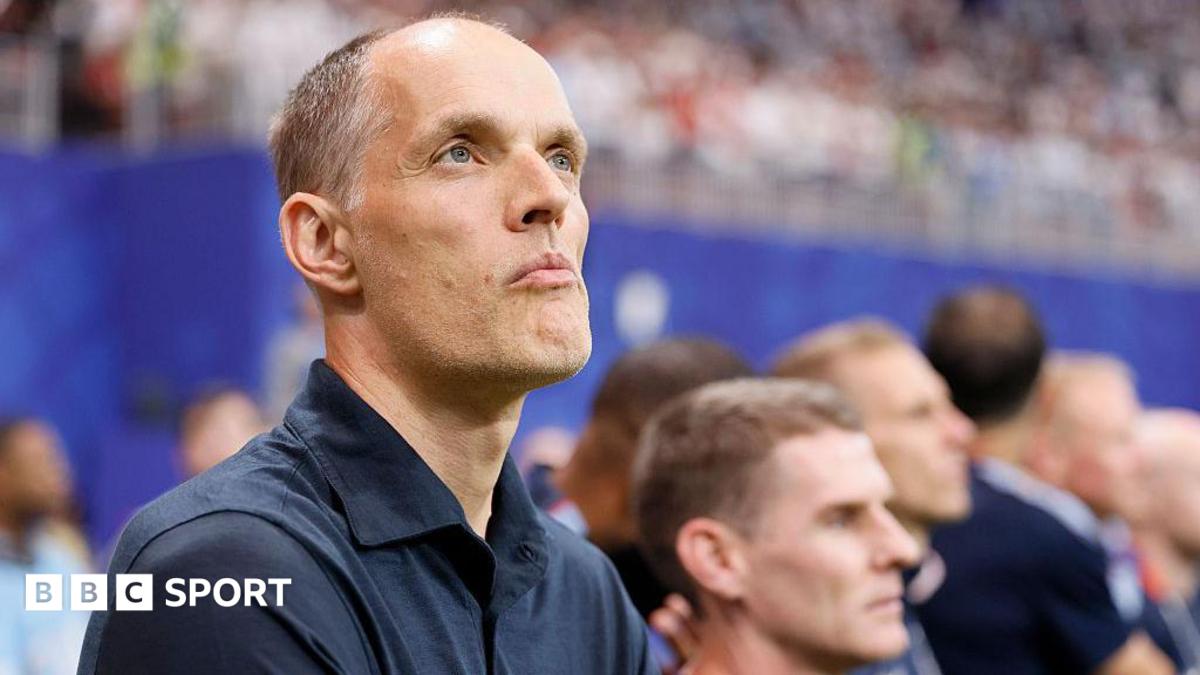
- Thomas Tuchel: Inheriting a high-stakes squad is rarely smooth, yet he is the only manager tasked with fixing this cycle. His shift toward Euro 2028 preparation begins now, with the media already hyper-focusing on his tactical rigidity. He sits third because the tactical blame for this exit lies squarely at his desk.
- Bukayo Saka: A reliable outlet on the right wing who rarely underperforms even when the system fails. He draws defenders away from the center, effectively creating space for teammates who frequently fail to capitalize. He remains a high-value asset despite the lack of systemic cohesion.
- Declan Rice: Holding down the defensive midfield is a thankless task, yet he struggled to screen effectively against Argentine counter-attacks. His positioning remains elite, but he was exposed during frequent transition moments at the World Cup. He ranks here because he is the floor, not the ceiling, of this defense.
- John Stones: A ball-playing defender who struggled with the pace of elite counter-attacking teams in 2026. While he distributes well, his defensive lapses against top-tier strikers remain a recurring liability. He is consistently caught out of position when the wingbacks push too high.
- Cole Palmer: Brought on for impact, he flashed potential but lacked the time to turn the tide against a settled opponent. If Tuchel builds for 2028, Palmer must occupy a starting role over aging veterans. His upside earns him this rank ahead of more established, yet stagnating, players.
- Trent Alexander-Arnold: He offers pinpoint delivery, yet his defensive work rate remains a point of contention for coaches. He was largely bypassed in the tactical setup leading up to the exit. Unless he bridges the defensive gap, he will slide further down this list during the next two years.
- Jordan Pickford: Reliable as a shot-stopper, but his distribution failed to bypass Argentina's press early in the match. He remains the premier keeper, yet his inability to organize the defensive line under pressure was evident in the recent knockout stage. Goalkeepers rarely win games, and he couldn't stop the inevitable defeat.
- Phil Foden: His inability to replicate club-level form in an England shirt is the most persistent mystery in modern football. He often drifts into pockets of space that simply evaporate against disciplined mid-blocks. He remains on the list only due to his track record of individual quality, which is currently failing to show on the international stage.
The Big Picture
England is currently stuck between a generation of high-ceiling talent and a failure to develop a cohesive long-term identity. As reported by the BBC, the missing piece is more than just tactics; it is a fundamental lack of adaptability when the game plan goes wrong. If the squad does not evolve for the next cycle, the 2028 tournament will look like a historical footnote rather than a redemption arc.
Honorable Mentions
Kobie Mainoo, who provided stability in the group stages, and Levi Colwill, who represents the defensive future, both narrowly missed the top ten. Their trajectory looks promising, but they require consistent minutes before they can be considered essential. Skeptics point to the current squad's inability to control tempo as the primary reason for the defeat, a reality explored in this analysis of the upcoming international window. Without a change in approach, even talent-dense groups will continue to fall short of silverware.
Read Next
- Chelsea and Tuchel are spiraling after the England heartbreak
- Top 10: The Managerial Hierarchy in July 2026
- England fans are collectively staring at the wall after that World Cup exit
- Top 10: The Most Defining Moments in Modern Football History
- 🇦🇷 Argentina World Cup 2026 — Defending Champions Hub
- 🏴 England World Cup 2026 — Three Lions Hub