The Big Picture: Sustaining the Scaloni Era
Argentina remains the benchmark of modern international football through a rare combination of tactical rigidness and individual brilliance. They are no longer just a roster, but a precise machine navigating the 2026 World Cup bracket with a blend of grit and cold-blooded efficiency.
The Ranking: Defining the Albiceleste Standard
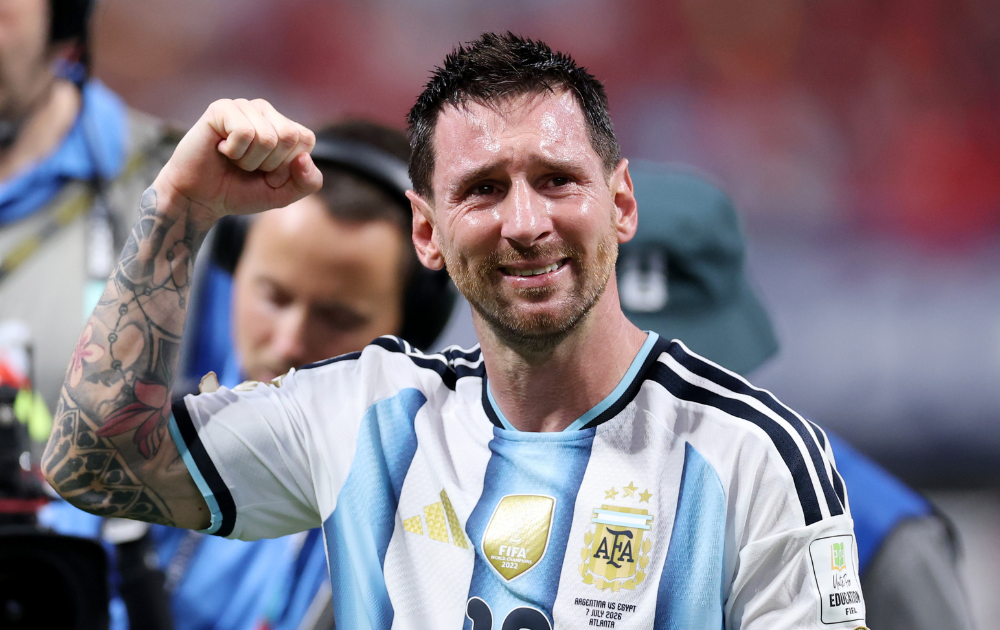
1. Lionel Messi. Despite his age, he dictates the tempo of the entire Argentine offensive phase. He remains the most influential playmaker in the squad, pulling strings from deep to bypass Swiss banks of four. His tactical awareness is the primary reason Argentina continues their quest for the 2026 semi-finals.
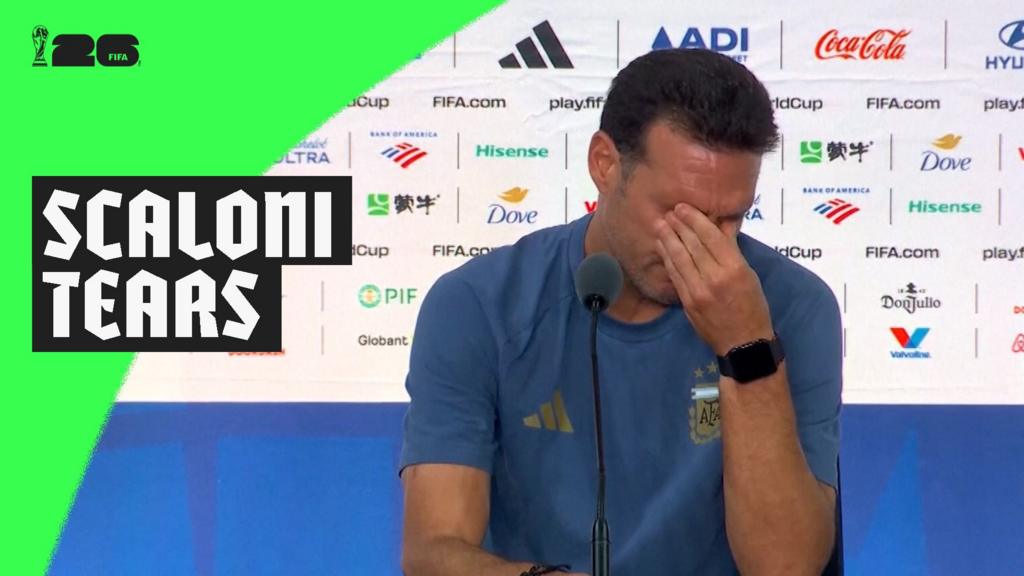
2. Lionel Scaloni. His ability to modernize a squad around aging stars is his greatest success. Unlike previous managers who relied on individual magic, Scaloni emphasizes defensive discipline and structural integrity. He has constructed a system where the team functions even when the creative spark is neutralized.
3. Lisandro Martinez. He has become the heartbeat of the defensive transition. His aggressive tackling style forces turnovers in high-risk areas, allowing for quick counter-attacks. He is the main reason Argentina has looked comfortable despite a demanding schedule.
4. Lautaro Martinez. He serves as the primary outlet for the long ball when teams pack the midfield. His movement off the ball creates gaps that Messi exploits routinely. While his finishing can be streaky, his work rate justifies the starting role over other technical options.
5. Enzo Fernandez. He anchors the midfield pivot with composure that defies his relative youth. His distribution is accurate, and he rarely loses possession under organized pressing schemes. He ensures that the team maintains possession during vital stretches of the match.
6. Emiliano Martinez. He is the ultimate psychological stabilizer for this squad. His presence between the sticks provides a safety net when the backline is caught high up the pitch. He remains the most underrated leader in the dressing room.
7. Julian Alvarez. His versatility allows for late-game tactical shifts that disrupt opponent scouting reports. He tracks back with relentless energy, often putting in more distance than the starting wingers. He is the engine that keeps the team pressing effectively in the 80th minute.
8. Nahuel Molina. He provides necessary width on the right flank to accommodate inverted attacking patterns. His crossing accuracy has improved significantly throughout the tournament. He is arguably the most consistent contributor to the team's width-based offensive strategy.
9. Rodrigo De Paul. His role as the box-to-box engine remains vital, though his form has dipped in recent group stages. He provides the physicality required to compete with high-pressing European teams. Without him, the midfield lacks the necessary defensive grunt.
10. Cristian Romero. He is the physical enforcer, though his disciplinary record is a lingering concern. He occasionally loses focus, resulting in unnecessary fouls near the box. His capacity for high-risk clearances often compensates for his lack of positional discipline.
Critical Assessment and Perspectives
The current Argentine squad is far from perfect despite their status as defending World Cup winners. They have struggled to put away games early, often making routine victories against perceived underdogs look labored. The reliance on Messi, while predictable, limits their offensive ceiling against elite defensive setups. When he is effectively doubled, the creativity crater is stark. Furthermore, the defensive line often plays with a lack of coordination during set-piece scenarios, a flaw that could prove fatal against clinical European opposition in the next round. Commentary for matches featuring this side, as noted by ITV analysts, suggests their path to the semi-finals has been arguably too manageable. This has inflated the sense of invincibility surrounding a team that still has significant tactical blind spots.
Honorable Mentions
Alexis Mac Allister is the only player unlucky to miss this list, primarily due to his fluctuating involvement in the final third. Angel Di Maria remains a valuable tactical substitution, though his inability to play a full 90 minutes limits his overall impact. Nicolas Otamendi rounds out the depth chart, serving as a veteran mentor rather than a primary defensive pillar at this stage of his career.