The Highs and Lows of the Global Stage
The 2026 season pushed the limits of professional football, shifting power dynamics across continents with ruthless efficiency. We saw tactical masterclasses collide with human frailty on the most visible pitch in the world.
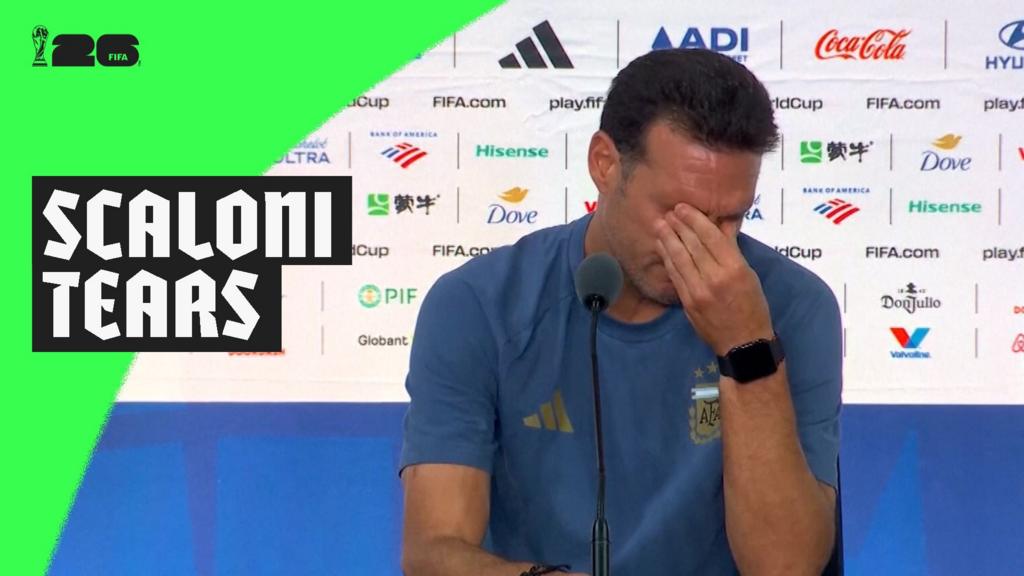
1. Lionel Scaloni’s Emotional Exit
The images of Lionel Scaloni walking away from the post-match press conference in tears remain the defining, haunting frame of this cycle. After a gutting World Cup final defeat to Spain, the weight of the result clearly snapped the manager under the intense pressure of the spotlight. As reported by the BBC, the visible struggle regarding his future overshadowed the actual tactical nuances of the match itself. This moment lands at number one because it bypassed sports PR entirely, exposing the raw cost of international management.
2. Spain’s Tactical Hegemony in the Final
Spain did not just win the World Cup; they solved the defensive locks of every opponent they faced. Their control of the transition phases in the final kept Argentina pinned for 90 minutes. While the world focused on the result, the real story was the clinical application of high-press football that rendered Argentina’s attack toothless. It was a masterclass in modern positional play that leaves other nations scrambling to catch up.
3. The Emergence of the Low-Block Counter
Mid-tier teams finally figured out how to drain the life out of possession-heavy giants this season. By narrowing the defensive spacing to 20 yards, underdogs forced the elite to recycle balls horizontally until exhaustion took over. These games were often ugly, failing the viewer, but they represent a shift that the top-tier tactical analysts have been tracking all spring. It is a cynical, effective brand of play that ruined several high-profile tournament runs.
4. The Officiating Consistency Crisis
The usage of high-speed tracking for offside decisions became a massive point of contention this quarter. Too many goals were wiped off the board due to heel-on-line margins of less than a few millimeters, sucking the momentum out of critical matches. The technology works, but it fails the spirit of the game by eliminating the natural flow of attacking football. We are currently watching the game turn into an exercise in strict geometric compliance rather than a sport.
5. The Rise of the Box-Midfield
Tacticians moved away from the traditional holding pivot in favor of a 2-2 central box. This structure creates numerical superiority in the half-spaces and allows for quick switches to the wing-backs. Watching the top three clubs in Europe experiment with this shape defined our spring viewing schedule. It is aesthetically pleasing but defensively fragile, leading to record-breaking scorelines in the round of 16.
6. The Overload of the Calendar
Player fatigue hit a breaking point in May and June. Clubs started reporting record injury lists as early as the group stages of major tournaments. We are at a point where the physical toll of 60-plus match seasons has surpassed the recovery capabilities of the average athlete. It is a ticking time bomb for the sport’s commercial future.
7. Defensive Regression in Serie A
Italy’s historic reputation as the home of defensive rigidity collapsed this season. Records for most goals conceded showed a massive gap in how teams structured their backlines under the new high-pressure norms. Tactical failures were abundant; the lack of a disciplined defensive line meant too many games devolved into chaotic basketball-style shootouts. Watching elite defenders get routinely caught in 1v1 situations without cover became a frustrating, weekly occurrence.
8. Youth Prospect Influx
Teenagers commanded the headlines this cycle with a level of technical polish previously reserved for veteran stars. Teams like Benfica and Dortmund accelerated their development paths, throwing 17-year-olds into critical Champions League fixtures. While these kids showed promise, this reliance on youth often led to mental lapses during high-stakes moments. The sheer bravery of these managers is commendable, even if the results remained inconsistent.
9. VAR Transparency Issues
The decision-making process inside the booth remained locked behind a black box. Supporters want audio access to the officials' conversations, yet governing bodies refused to provide the necessary context. This lack of transparency has created a tribal atmosphere where every call is treated as a conspiracy. It is poor management by the referees' organizations to ignore this obvious demand for accountability.
10. The Decline of the Traditional Target Man
Big, static strikers found themselves on the bench across the major leagues. Teams prioritized mobility and fluid forward lines that could rotate into central positions on command. The era of the pure penalty-box predator is effectively over, replaced by the hybrid forward. It is a necessary shift to compete in modern pressing schemes, yet it leaves the game lacking a certain tactical contrast that fans of the classic style certainly miss.