The 2026 World Cup was a masterclass in identity confusion
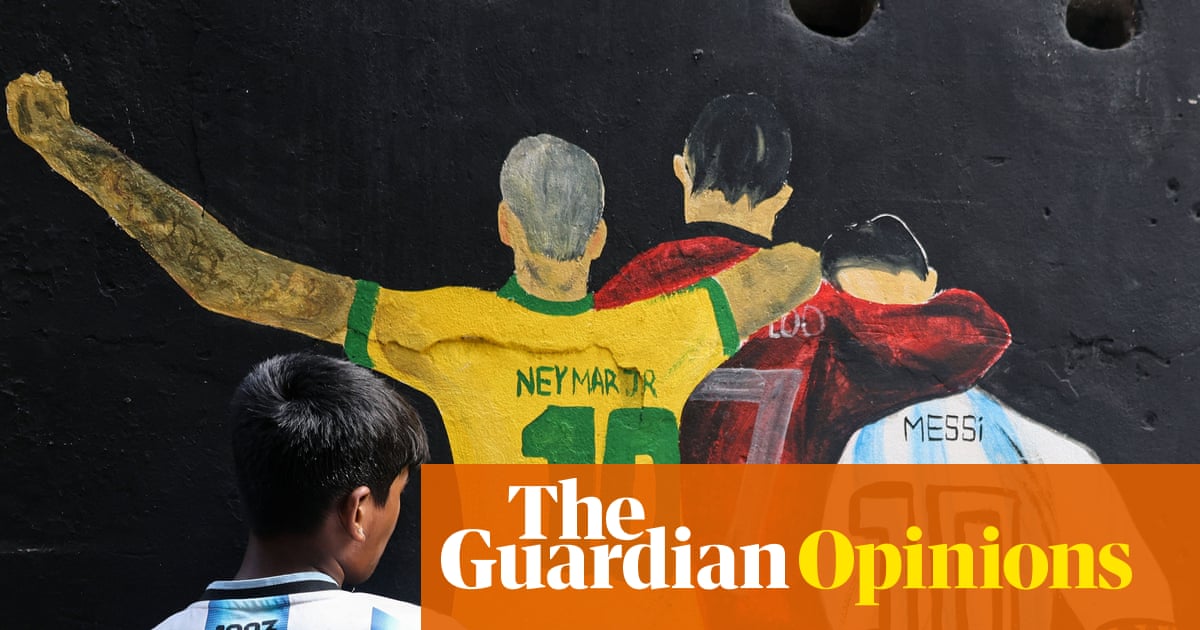
The final whistle has blown on the 2026 tournament, and if you still think international football is just about singing anthems and hating the guy from across the border, you haven't been paying attention. We just spent a month watching Kazakh fans scream their lungs out for Uzbekistan and Bengalis turning their neighborhoods into makeshift Buenos Aires.
It was a beautiful, chaotic mess. Nationalism, the alleged bedrock of the World Cup, looked about as sturdy as a wet paper towel. We have long accepted the idea that this sport is the ultimate expression of tribal warfare, but the 2026 version felt more like a sprawling, incoherent fan convention.
The death of the traditional supporter
Let's be clear: the marketing machine wants you to believe in the sacred bond between a player and his passport. The broadcast teams spent four weeks trying to push the narrative of 'us against them.' It didn't work. The viewers at home have moved on to a flatter, more digital version of fandom where the best narrative wins, regardless of the map coordinates.
You want evidence? Look at the stands. You had neutral fans adopting teams like they were picking a character in a fighting game. It wasn't about the flag; it was about the vibes, the playstyle, or just who looked the coolest on the grass. As Jonathan Liew noted in his recent analysis, there is a messy hope in this shifting allegiance. We aren't as tethered to our geographic destiny as the old guard wants us to be.
The ugly side of the expansion
Of course, this isn't all sunshine and confetti. The expansion to 48 teams—or whatever monstrosity they cooked up this time—brought a dilution of quality that was hard to ignore. We sat through group stage slogs that felt like watching paint dry under harsh stadium lights. Watching lower-ranked nations park the bus for 90 minutes because they were terrified of a blowout didn't improve the sport; it just bloated the schedule.
The scheduling was a logistical nightmare that tested the sanity of every beat writer on the ground. When your tournament is this big, you lose the intimacy that made the old format feel special. It became a product meant to be consumed in snippets, a highlight-reel churn rather than a coherent athletic narrative. It’s a commercial behemoth that sacrificed its soul for inventory.
So, what actually remains?
Despite the bloat, we were still treated to moments of genuine brilliance. The individuals still shine even when the broader structure is collapsing under its own weight. We saw tactical adjustments in the knockout rounds that forced even the most stubborn managers to rethink their defensive shapes.
But the real story is that the international identity crisis is here to stay. When the lines blur between 'my country' and 'the team I like,' you know the old world order in football is dead. The fans aren't buying the propaganda anymore. They are just there for the spectacle, and honestly, can you blame them?
We are watching a transition where player loyalty to clubs is already a joke, and now their national pride is being treated with the same casual irony. This tournament was the 98.9% of the human race saying they don't care about the script. Whether that makes the game better or worse is irrelevant at this point. The genie is out of the bottle, and he’s wearing a jersey that doesn't belong to him.