The Red Devils Evolution
Belgium has transitioned from a perennial dark horse to a nation consistently delivering high-stakes tournament performances. The current quarter-final clash in Los Angeles against Spain underscores their ability to challenge global powers on the biggest stage imaginable.
The Ranking
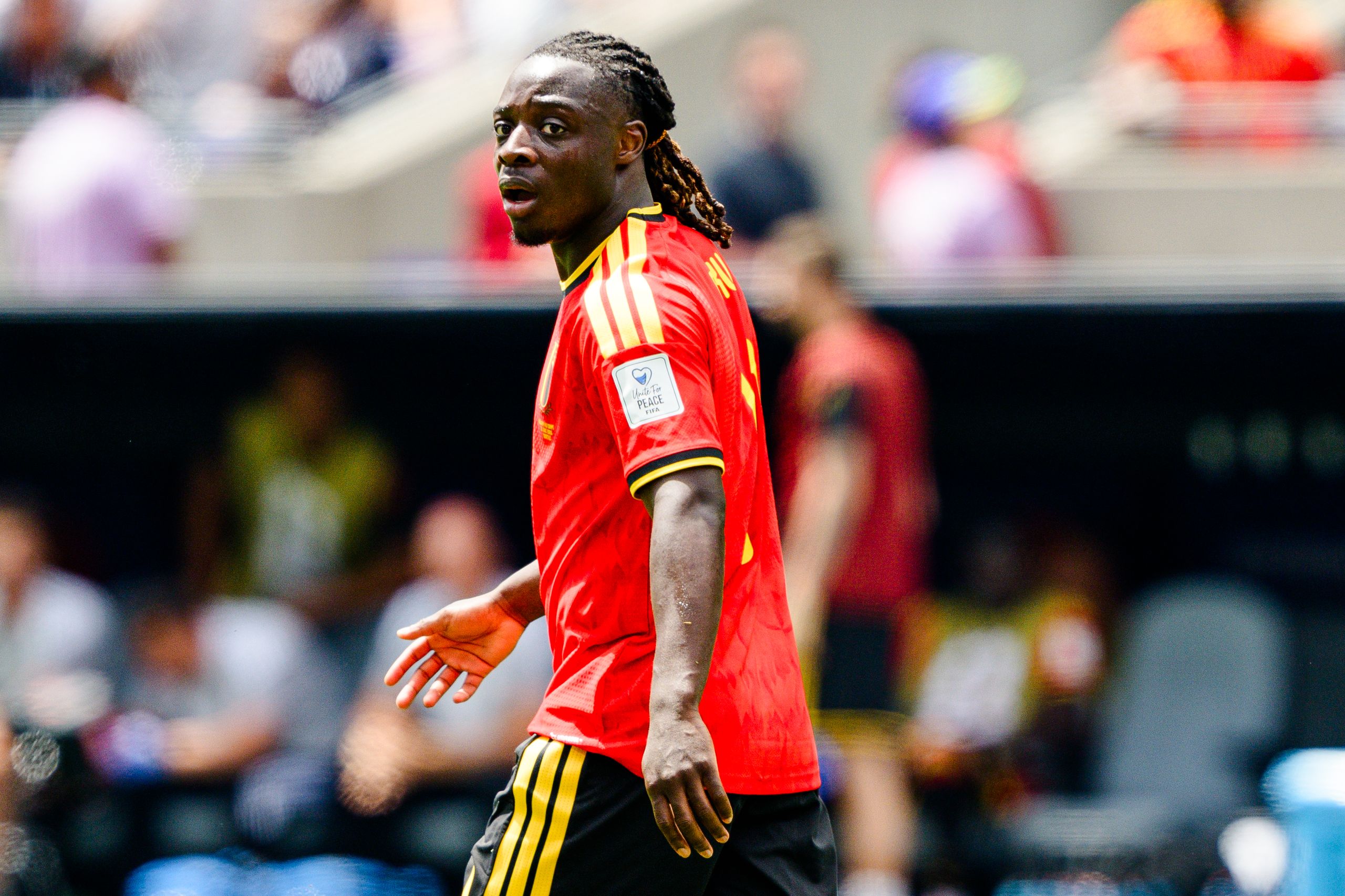
10. Jeremy Doku. His emergence as a winger capable of shifting defensive lines was a narrative turn for the national setup. After his debut in the delayed Euro 2020, as FourFourTwo reported, his rise to public recognition changed his career trajectory entirely. He remains a high-variance player, dangerous in transition but occasionally hesitant in final-third decision-making.
9. The 2026 Quarter-Final Push. Matching up against an imperious Spanish side in Los Angeles forced the team to showcase its tactical depth. By managing to break a Spanish defense that hadn't conceded all tournament, they proved grit over theory. The achievement sits here because, while technically impressive, they still face the massive pressure of finishing these matches ahead of the final whistle.
8. The Tactical Flexibility. Belgium’s ability to pivot between rigid defensive structures and high-pressing counters is their greatest asset. It allows them to survive matches where they hold less of the ball, though it often leads to defensive lapses when the midfield transition fails to track back efficiently. Maintaining this shape is the difference between a golden generation and a missed opportunity.
7. The Midfield Engine. The core of this group consistently dictates tempo, often outworking technical sides like their current opponents. However, there is a recurring tendency to lose focus in the 75th minute, allowing opposing teams to find rhythm. They rank here because consistency remains their primary enemy.
6. Tournament Experience. The core squad has played enough knockout minutes to understand the emotional weight of World Cup football. Knowing how to handle the media circus surrounding a game like the quarter-final vs Spain is a skill in itself. That experience is why they didn't fold after conceding early in their recent high-profile matches.
5. Defensive Resilience. The squad has learned to suffer. In the current tournament, they faced intense scrutiny, but their shape has kept them in the hunt against elite counter-attacking units. It is not an exciting brand of football, but it is effective when survival is the only metric that matters.
4. Modern Broadcasting Access. The ability for fans to watch these games from every angle, including full-pitch tactical views, has fundamentally changed how we evaluate Belgian performances. As noted by the BBC, this level of access exposes individual positioning errors that previously went unnoticed. It keeps the team accountable to a fanbase that now sees every misplaced pass in high definition.
3. The Transition Game. Speed on the wings combined with a direct striker provides a clear plan A that scares top-tier nations. When the counter executes correctly, they are nearly impossible to defend without leaving massive gaps in the rear. The flaw is the lack of a reliable plan B when the opponent sits in a deep block.
2. The 2026 World Cup Squad. This group represents the final culmination of a decade of development. While some critics argue they are past their peak, their performance in Los Angeles, detailed in reports from the Daily Mail, proves they still have the quality to break down the best defenses in the world. They rank high because of their sheer persistence in a tournament stacked with talent.
1. The Red Devils Identity. This team matters because they refuse to accept the narrative of being outsiders. Even when trailing against better-funded or more prestigious footballing nations, their culture of response is what defines them. They fight for every ball, turning matches into attritional battles that usually favor the team that is willing to bleed for the result.
Honorable Mentions
The coaching staff’s willingness to experiment with three-at-the-back formations during group stages allowed for better width. Additionally, the youth developmental pipeline continues to produce technical players who fit the squad’s high-pressure demands, though none quite match the impact of the current starting XI performers who define this era of Belgian football.