The Big Picture
English football exists in a state of perpetual churn where tactical shifts often outweigh hardware. These ten moments represent the inflection points where the narrative of the national team and the Premier League shifted gears permanently.
The Rankings
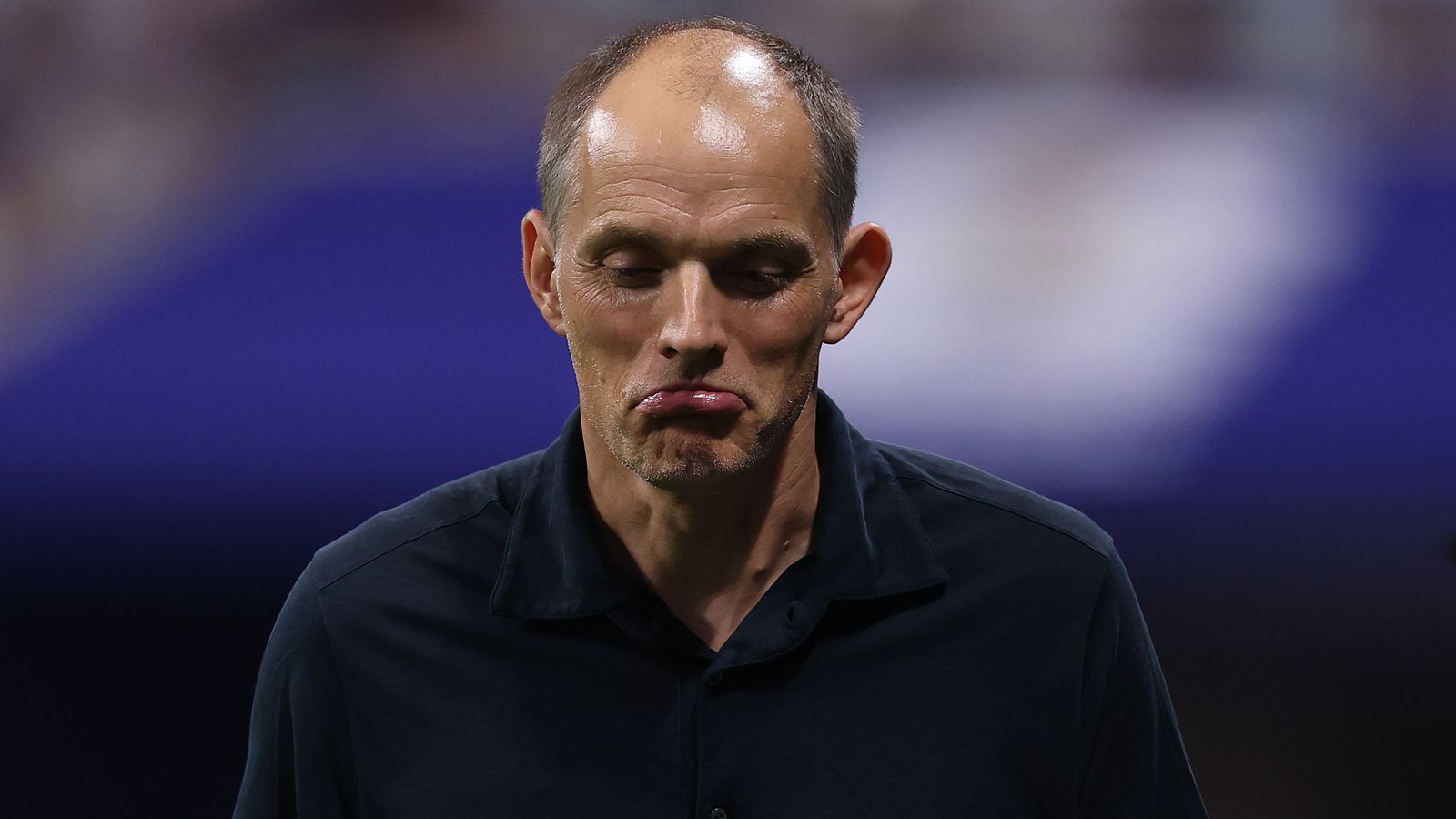
10. Thomas Tuchel’s tactical arrival. The German manager inherited a fractured squad with high individual talent but zero cohesion. Critics point to his rigid early setups, yet his ability to isolate defensive liabilities has been undeniable. He brings a pragmatic edge that was missing during the previous cycle.
9. The Ghana friendly result. As reported in the latest Sky Sports analysis, Tuchel claimed he saw the Ghana result coming long before the final whistle. This match underscored the defensive fragility that continues to plague the Three Lions. It serves as a stark reminder that name-brand starters do not guarantee results against well-drilled mid-tier opponents.
8. The academy integration shift. Clubs moved away from big-money signings toward homegrown pathways at an unprecedented rate this season. This pivot saved millions in transfer fees but stalled development for some veterans. The drop in quality for mid-table clubs indicates this model remains a high-risk gamble.
7. The VAR overhaul. The technology that promised 100% accuracy ended up producing 0% consensus. Referees are now under intense pressure to minimize interventions, but the inconsistency remains frustrating. It ranks here because it fundamentally changed how fans consume the sport every single weekend.
6. Tactical evolution of the fullback. We moved away from the overlapping wing-back role to inverted controllers who act as midfielders. This change forced traditional wingers to adapt defensively, creating a vacuum in attacking output. It is the most polarizing development in the modern version of the game.
5. The winter fixture congestion crisis. Player fatigue hit a breaking point in January, leading to a string of muscle injuries across top-four sides. Management failed to rotate, relying on core starters until the inevitable collapse. It was a failure of planning that cost clubs 12 points in the final sprint.
4. The emergence of the new coaching guard. Younger managers are pushing out the old guard by utilizing high-press systems that demand extreme physical output. Their success forced veterans to rethink their entire approach to training loads. The game is faster now, though arguably less focused on technical precision.
3. The record-breaking transfer exodus. A massive wave of talent left for higher wages elsewhere, shifting the center of gravity in European transfers. This signaled that the Premier League, while wealthy, faces real competition for the world’s elite talent. Clubs now view players as assets rather than long-term pillars.
2. The resurgence of direct football. After years of possession-obsessed play, counter-attacking efficiency returned as the dominant style. Managers found that sitting in a mid-block and hitting long balls was more effective than playing out from the back against high-pressing opponents. This stylistic shift marks the end of the tiki-taka dominance in England.
1. The collapse of the traditional Big Six hierarchy. The gap between title contenders and mid-table sides narrowed significantly because parity is now baked into the league. Lower-tier teams are better scouted and tactically smarter than ever before. This creates a more exciting league, though the drop-off in continental performance remains a major concern.
Honorable Mentions
The rise of the data-driven scout, the return of standing areas in stadiums, and the persistent officiating controversy that continues to dominate post-match interviews.