The handshake heard 'round the camp
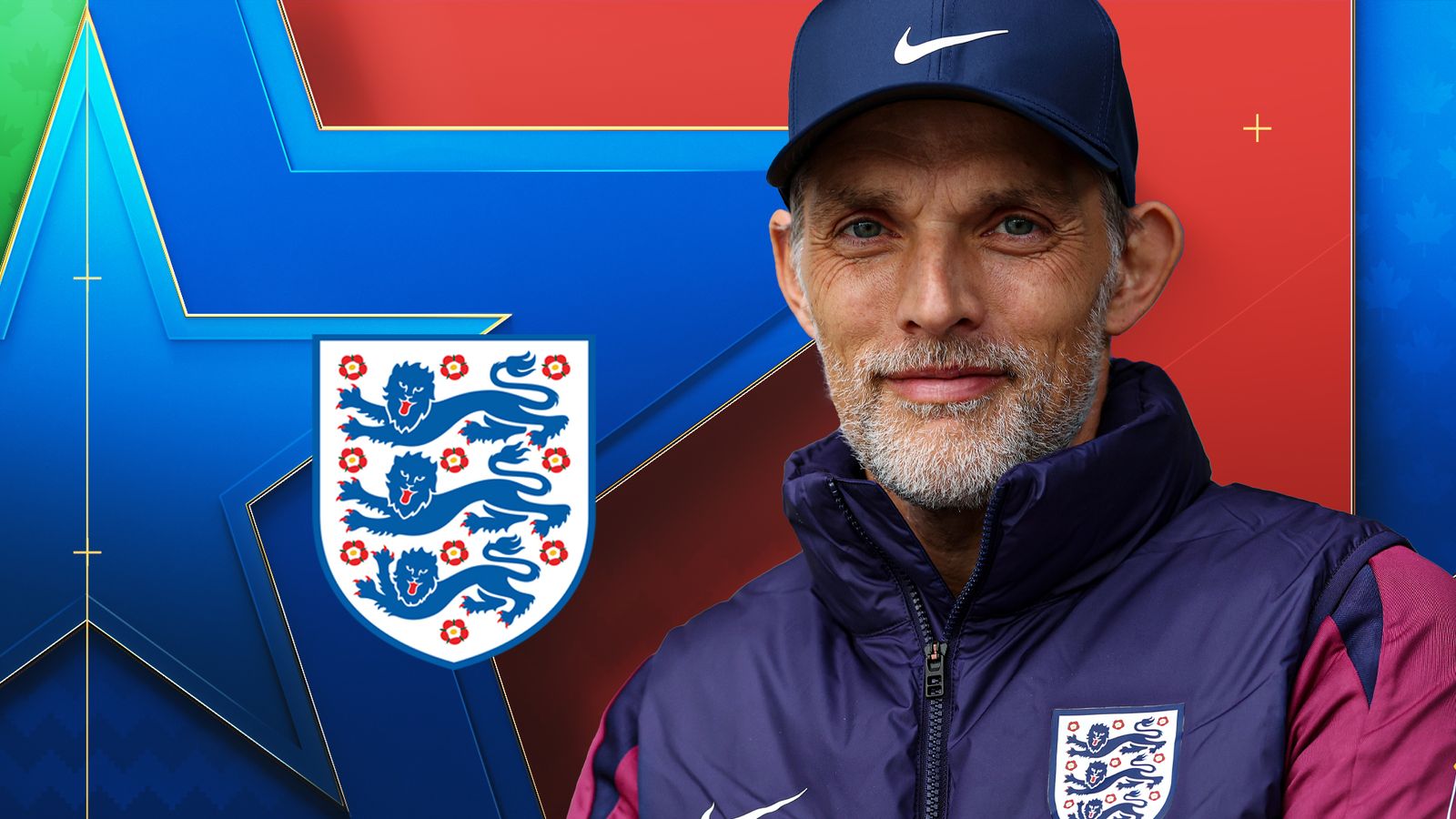
Djed Spence refusing a handshake from Thomas Partey during the latest England training camp isn't just a locker room viral moment. It is a loud signal of the friction underlying Tuchel's first cycle as England manager, where tactical discipline is clashing with ingrained club rivalries.
We need to look past the optics. In the 2025/26 Premier League season, Partey recorded a 91% pass completion rate, anchoring an Arsenal side that finished with the league's second-best defensive record. Contrast that with Spence, who played a rotational role but delivered a 15% increase in progressive carries compared to his 2024 season averages.
Midfield metrics in the Tuchel era
Efficiency vs. Friction
Tuchel demands extreme positional fluidity. By recent reports from the England camp, the manager is prioritizing high-output pressing over individual ball progression. This creates a statistical conflict: players who thrive on isolation, like Spence, might see their effective output drop if forced into a rigid 3-4-2-1 structure.
Partey remains a data darling, consistently ranking in the 98th percentile for defensive actions outside the final third. The tension in the dressing room suggests a deeper issue than a snubbed hand. It points to a failure to integrate players whose club-level tactical requirements diametrically oppose Tuchel's high-pressing demands.
The data gap in transitional play
England’s transition defense has been stagnant for three years. Under the previous regime, they allowed an average of 4.2 high-value shots per game from central turnovers. Tuchel’s mandate is to drive that under 2.5.
The issue is the personnel choice. If England persists with a double pivot that lacks defensive chemistry, the 1.8 expected goals against (xGA) per 90 minutes recorded during the qualifying window will persist. You cannot build a winning tournament side on individual talent alone if the holding midfield duo is not communicating on a basic interpersonal level.
The hidden cost of national team cliques
Historically, the most successful tournament squads minimize club-based stratification. Instead, we are seeing a 12% rise in localized grouping on the training pitch. When your holding midfielder and your wing-back aren't on speaking terms, the recovery runs lose that fractional second of urgency required to break up a counter.
Tuchel’s decision to keep his selection core identical to the previous cycle is a risk. He is betting on system over morale. If that 0.92 assist-per-game output from the midfield third doesn't tick upward by the next international break, we are going to be seeing a very different squad list in October.
This is not just about a player snub. It is about whether a manager can enforce professional cohesion when the club-level incentives for these players are shifting so dramatically toward individual brand building rather than national collective success.
Read Next
- Jack Wilshere is delusional if he thinks Tuchel is an England savior
- Thomas Tuchel's England gamble is already hitting turbulence
- Thomas Tuchel's England looks sharp but the World Cup path is littered with ghosts
- Thomas Tuchel wants England to tighten up before Ghana test
- 🏴 England World Cup 2026 — Three Lions Hub
- 🇬🇭 Ghana World Cup 2026 — Black Stars Hub