England medical staff monitor Foden's ankle as knockout pressure mounts
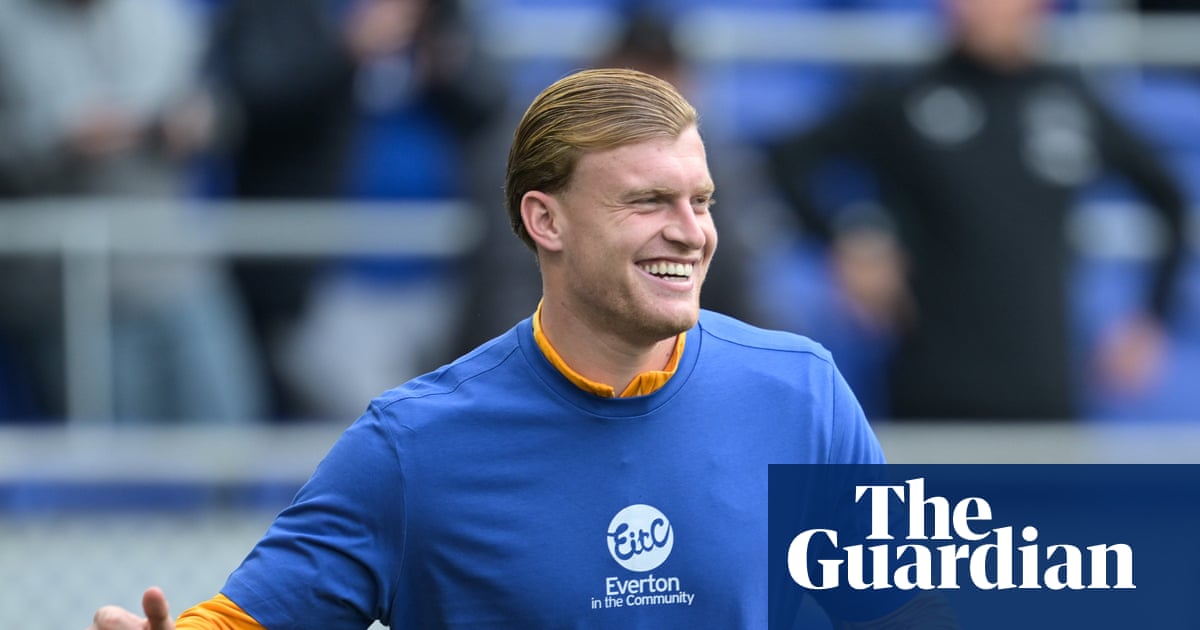
Phil Foden faces a race against time to feature in England’s upcoming Round of 16 clash. The midfielder sustained an ankle knock during the final training session at the team's base camp Monday morning.
Team doctors opted for a precautionary scan when Foden experienced discomfort during a tactical drill. Sources suggest the initial assessment indicates medial ligament irritation. He sat out the afternoon recovery drills entirely.
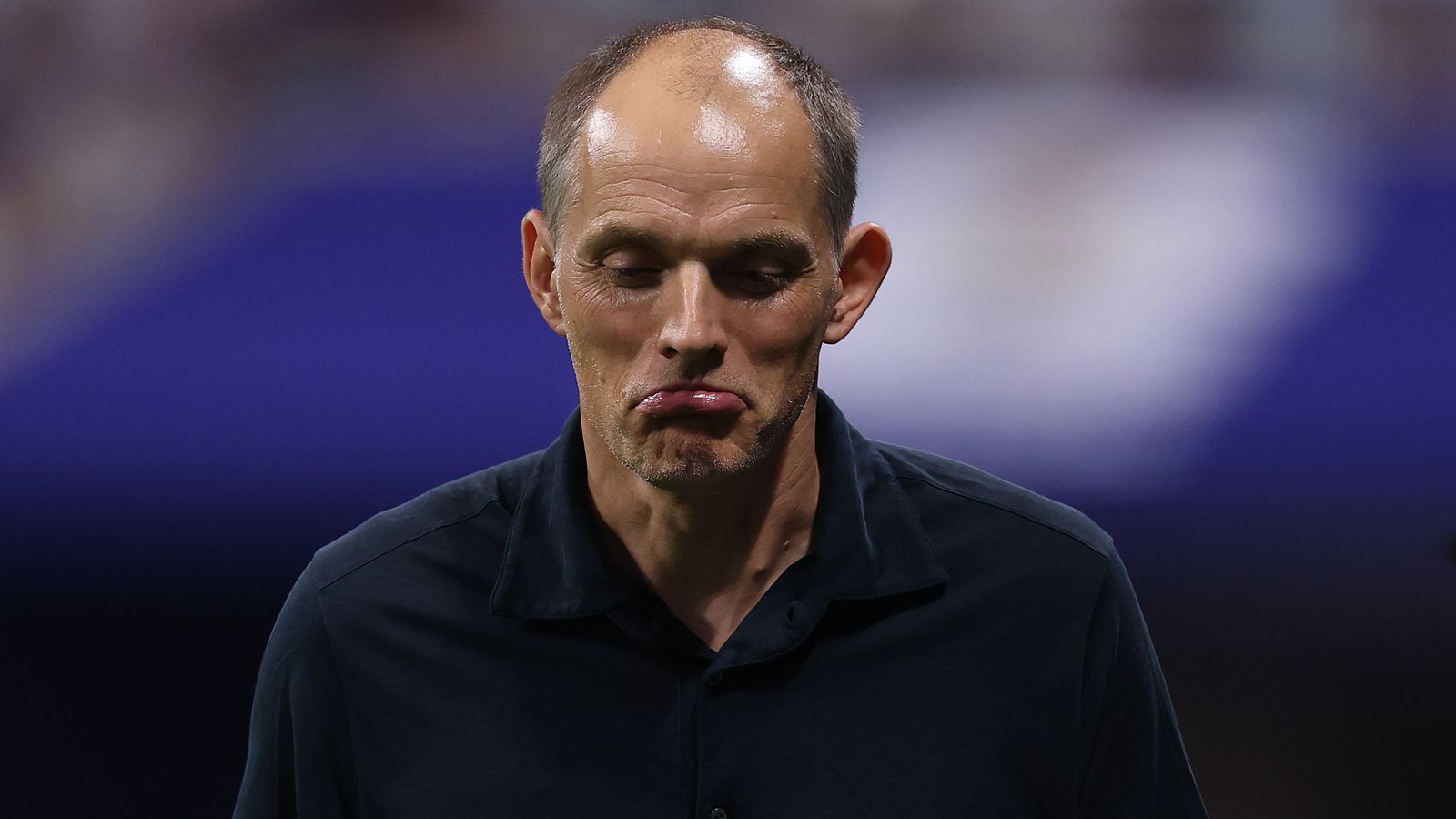
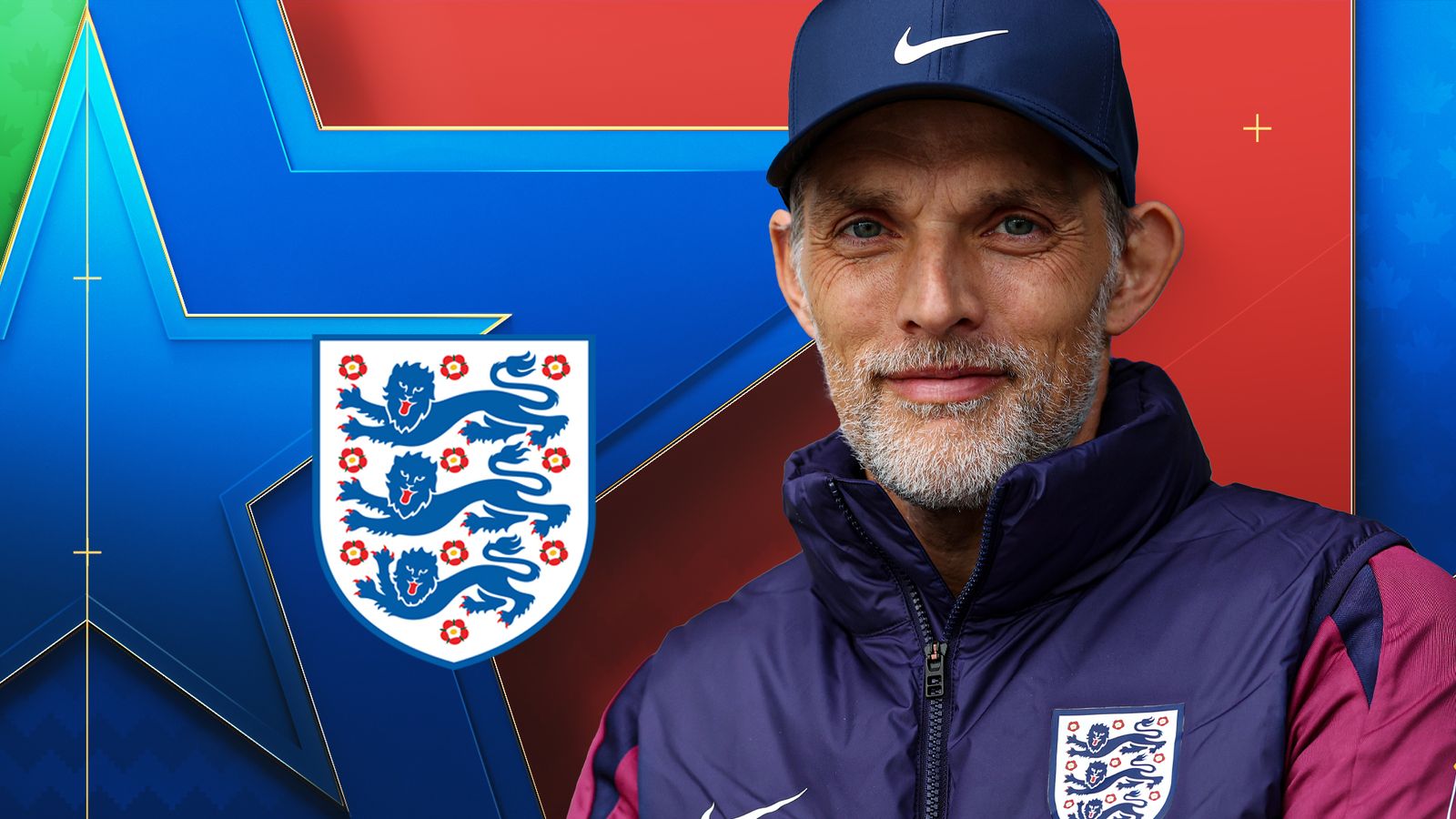
Thomas Tuchel’s side is currently navigating a period of uncertainty. As Sky Sports has reported, the intensity of tournament training has pushed several squad members to their physical limits. Foden's absence would disrupt the creative flow that defined England’s group stage success.
The strategic headache for Thomas Tuchel
Losing Foden forces a tactical reshuffle. Tuchel has favored a fluid 4-2-3-1, relying on Foden to tuck inside from the left to overload defensive midfields. Without him, the dynamic shifts significantly toward more traditional wingers.
History provides a sobering look at this situation. England has frequently suffered from burnout, most notably the recurring fitness struggles of key creators in 2006 and 2014. Treating ankle ligaments requires a delicate balance of rest and re-introduction. Rushing the process often leads to recurring issues in later stages.
Critics point to the heavy reliance on a select core of players. If the internal workload management was as rigorous as claimed, questions regarding training intensity are valid. Pushing a primary creative hub this hard 48 hours before the knockout bracket begins is a questionable decision by the conditioning team.
Potential recovery timeline and depth options
Medical staff are working under a strict 48-hour protocol. If Foden shows no swelling by Wednesday morning, he may be cleared for light jogs. A return to team training remains uncertain, likely pending a final competency test on Friday.
Should Foden miss the impending fixture, the squad depth is taxed but present. Anthony Gordon and Eberechi Eze lead the competition for the starting spot. Both players lack Foden’s specific vision in tight pockets, but they provide a more direct, vertical threat against compact defenses.
The current state of play necessitates caution. While the recovery period is estimated at 5 to 7 days, tournament volatility makes this timeframe aggressive. The staff refuses to comment on specific treatment plans. Fans should expect limited information until the final team submission deadline.
Industry impact of tournament workload
This injury highlights the broader strain on international squads. Clubs are increasingly dissatisfied with how national associations manage fitness. Managers like Tuchel often ignore club-mandated recovery windows to prioritize immediate tournament results.
When analysts review reports on player workload, they consistently point to the calendar crunch. Players are arriving at international duty following 60-plus match seasons. Muscle fatigue and contact injuries are at record highs across the board.
Competition for the knockout slots is ruthless because errors are permanent. England cannot afford a tactical drop-off if their primary playmaker is hobbled. The squad must adjust its buildup play to accommodate a potential reliance on wide-channel crosses rather than interior interplay.
Managing this recovery is a high-stakes gamble. If Tuchel pushes Foden too soon and the midfielder limps off inside the first 20 minutes, the fallout will be severe. The medical team’s decision to remain conservative for now is their only logical path forward.
Realism remains the priority. Foden is a critical asset, yet modern international success is defined by collective resilience. If the medical report by Thursday morning shows persistent instability, he will be ruled out to prevent long-term damage.
Read Next
- Jack Wilshere is delusional if he thinks Tuchel is an England savior
- Thomas Tuchel's England gamble is already hitting turbulence
- Thomas Tuchel's England looks sharp but the World Cup path is littered with ghosts
- Top 10 Bukayo Saka Performances: Defining an Arsenal and England Star
- 🏴 England World Cup 2026 — Three Lions Hub