The Anatomy of Football Greatness
Defining the greatest moments in football requires moving past nostalgia to identify shifts in tactical maturity and individual output. These are the moments that rewrote how the sport is played, coached, and consumed.
1. The 1999 Champions League Final
Manchester United turning a 0-1 deficit into a 2-1 victory against Bayern Munich in injury time remains the gold standard for late-game tactical adjustments. It redefined the concept of stoppage time as a legitimate scoring window rather than just an formality. Ferguson's substitutions effectively dismantled a superior defensive structure in three minutes. Nothing before or since has matched the sheer psychological collapse induced in the German giants. Other late-game heroics rely on individual luck, but this was a masterclass in relentless pressure.
2. The Invincibles: 2003-04 Premier League Campaign
Arsenal completing a league season without a single loss is statistically improbable in the modern era. Wenger built a team that combined raw physicality with technical precision, peaking at a 49-match undefeated streak. Critics argue that defensive fragility often hampered this squad in Europe, but their domestic dominance was absolute. It set a benchmark that even Pep Guardiola’s hyper-funded squads struggle to comfortably replicate. No other modern team has successfully balanced long-term tactical discipline with such sustained winning aggression.
3. Spain’s 2010 World Cup Triumph
Xavi and Iniesta perfected positional play to a degree that essentially paralyzed opposition midfields. While some purists found the obsession with possession tedious, the tactical efficiency was undeniable. They conceded almost nothing while forcing opponents to chase shadows for 90 minutes. It changed the blueprint for the next decade of elite European football. However, the lack of a prolific number nine made every game feel thinner than it should have been.
4. Zinedine Zidane’s Volley at Hampden Park
The 2002 Champions League final winner against Bayer Leverkusen remains the most technically difficult goal in a high-stakes match. Zidane struck a falling ball with his weaker left foot, generating power that defied physics. It represented the pinnacle of Madrid’s Galactico experiment, functioning as the ultimate advertisement for individual superstar value. It lacks the systemic impact of a full season, but for pure execution, it sits alone.
5. The 2014 Brazil Semifinal Collapse
Germany’s 7-1 dismantling of Brazil in Belo Horizonte shattered the myth of invulnerability surrounding the Selecao. Watching the hosts concede four goals in six minutes exposed systemic failures in their youth recruitment and tactical inflexibility. It forced an immediate modernization of the CBF coaching staff. For the viewer, it was a display of peak efficiency meeting complete total despair.
6. Lionel Messi’s 2012 Calendar Year
Recording 91 goals in a single calendar year is an outlier that breaks league statistics. Messi moved past traditional positional roles to operate as a free-roaming playmaker and clinical finisher simultaneously. This rank is lower only because the individual output didn't yield a Champions League trophy for Barcelona that season. It stands as the highest level of personal performance in history, yet football remains a sport decided by collective defensive stability.
7. Liverpool’s Istanbul Comeback
Coming back from three goals down against AC Milan in 2005 proved that tactical fluidity trumps star power. Benitez’s shift to a three-man backline disrupted Kaka and Pirlo, turning a tactical rout into a chaotic scramble. It highlighted the brilliance of Steven Gerrard, whose leadership forced a result against a technically superior opponent. The defensive lapses in the first half keep it from rising higher on the list.
8. Leicester City’s 2015-16 Title
Winning the league at 5000-to-1 odds exposed the flaws in the bloated transfer strategies of established giants. Claudio Ranieri utilized a rigid counter-attacking system that thrived on the lack of scouting regard shown toward smaller clubs. It proved that cohesive tactical identity outperforms high-spend recruitment schemes. It sits here because the squad was dismantled immediately, preventing any secondary championship run.
9. Jurgan Klopp's Transition to International Management
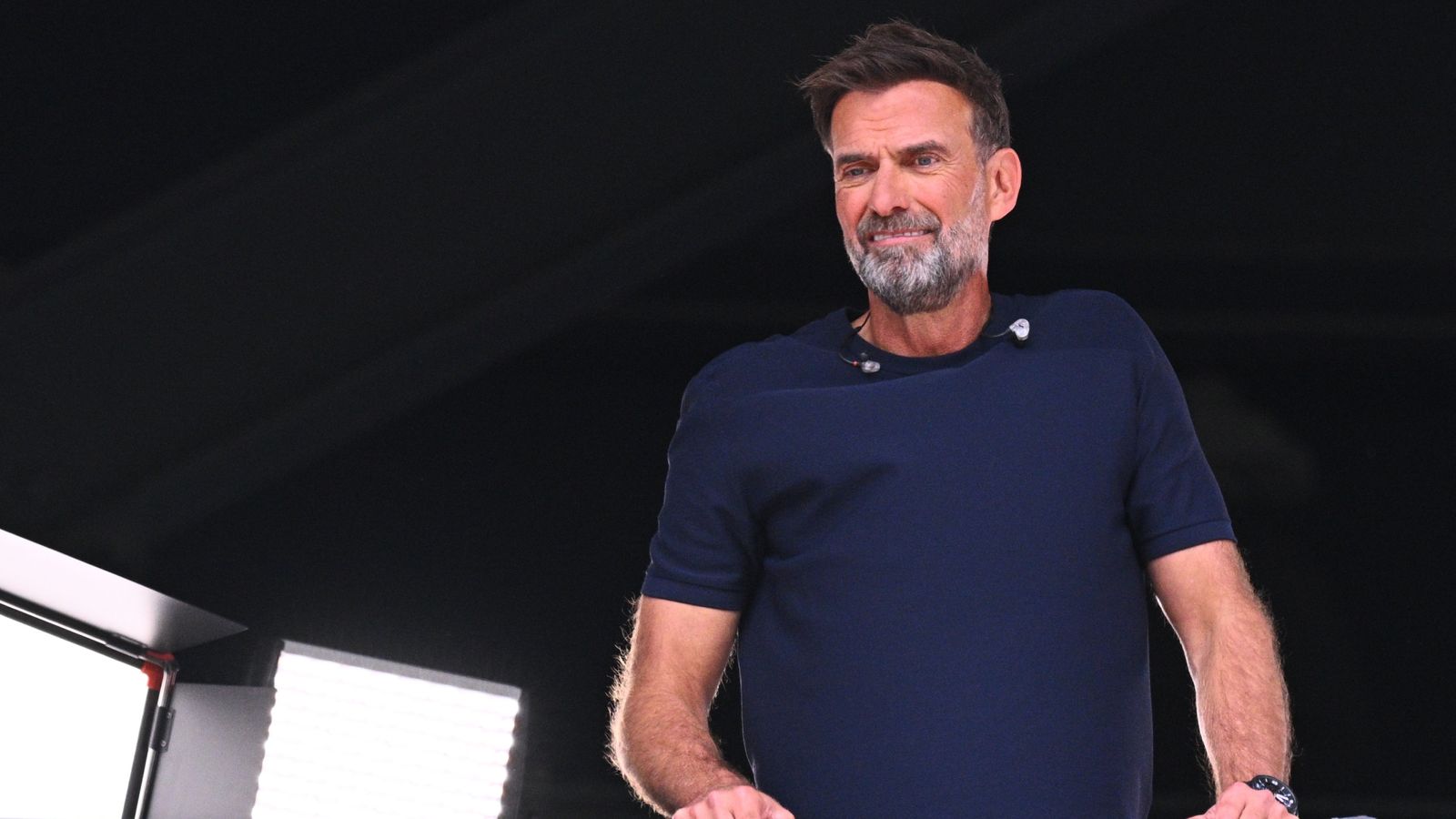
The recent development regarding Klopp's interest in the Germany job signals a significant shift in coaching priorities. After defining the heavy-metal football era at Dortmund and Liverpool, moving to international management marks the final challenge for his pedigree. If successful, he could reform a struggling setup that has lost its tactical distinctiveness since the 2014 peak. It is a gamble, but one that centers on his ability to rapidly build a high-energy culture.
10. The Invention of total football
Rinus Michels and Johan Cruyff transforming Ajax in the early 1970s is the foundation for everything that followed. Every pressing system used by modern titans traces its lineage back to this period of tactical fluidity and spacial awareness. It ranks last only because the game speed was significantly lower, making comparison to current elite matches difficult. Despite that, this remains the most important structural shift in the history of the sport.
Honorable Mentions
- Portugal winning Euro 2016 despite a negative goal difference in the group stage.
- The 2022 World Cup final penalty shootout between Argentina and France.
- Iceland’s victory over England during Euro 2016.