Measuring the efficiency of Spain and Argentina
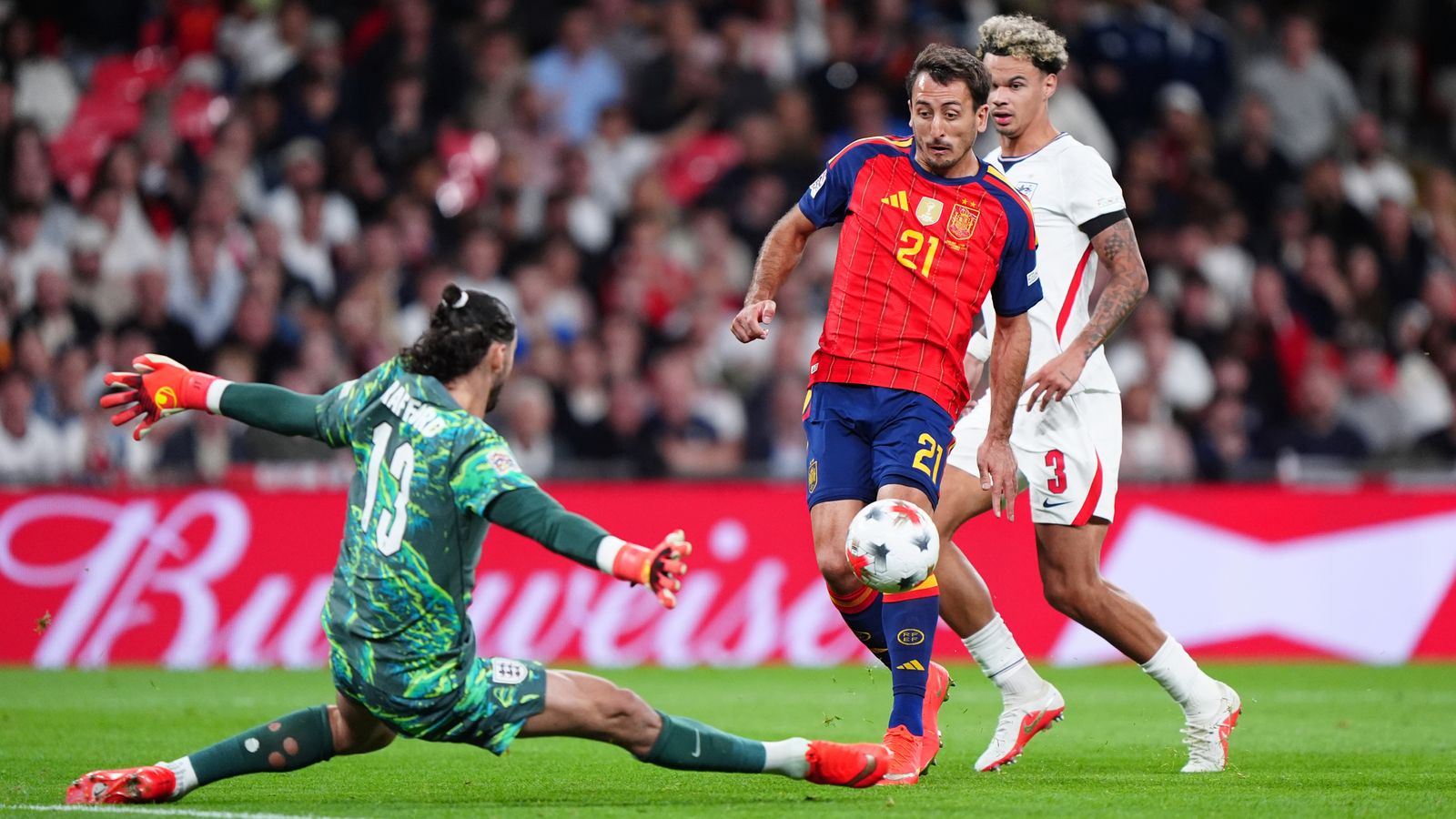
With Argentina and Spain meeting in New Jersey this Sunday, the market value of the trophy stands at $20 million, yet the tactical weight of this final is significantly higher. Data analysts monitoring the tournament process suggest that the match will be decided by transition speed rather than possession volume. Argentina has relied on verticality, recording rapid counter-attacking sequences that have frequently bypassed midfield pivots throughout the knockout rounds.
Spain, conversely, continues to dictate play through high-percentage ball retention. Their ability to minimize turnover rates in the defensive third has been a staple of their path to the final. George Lineker recently cashed in a 7-fold accumulator payout, a result that underscores the high-stakes volatility currently defining the betting markets surrounding this competition.
The internal battle of the midfield
Analyzing the pivot performance
The matchup hinges on structural integrity in the center of the pitch. Argentina has maintained a 88% pass completion rate when playing out from the back, a figure that suggests a high level of composure under pressure. However, critics point to their susceptibility to high-press scenarios. In their semi-final match, they conceded three dangerous shots within ten minutes of losing possession in the middle third.
Spain’s approach is fundamentally different. By utilizing an inverted fullback system, they create overloads that force opponents into narrow formations. This spatial manipulation has yielded an average of 2.4 expected goals per match over the last three fixtures. While their technical dominance is impressive, the vulnerability is clear. They lack the raw recovery pace required to track back against elite counter-attacking sides.
The Golden Boot context
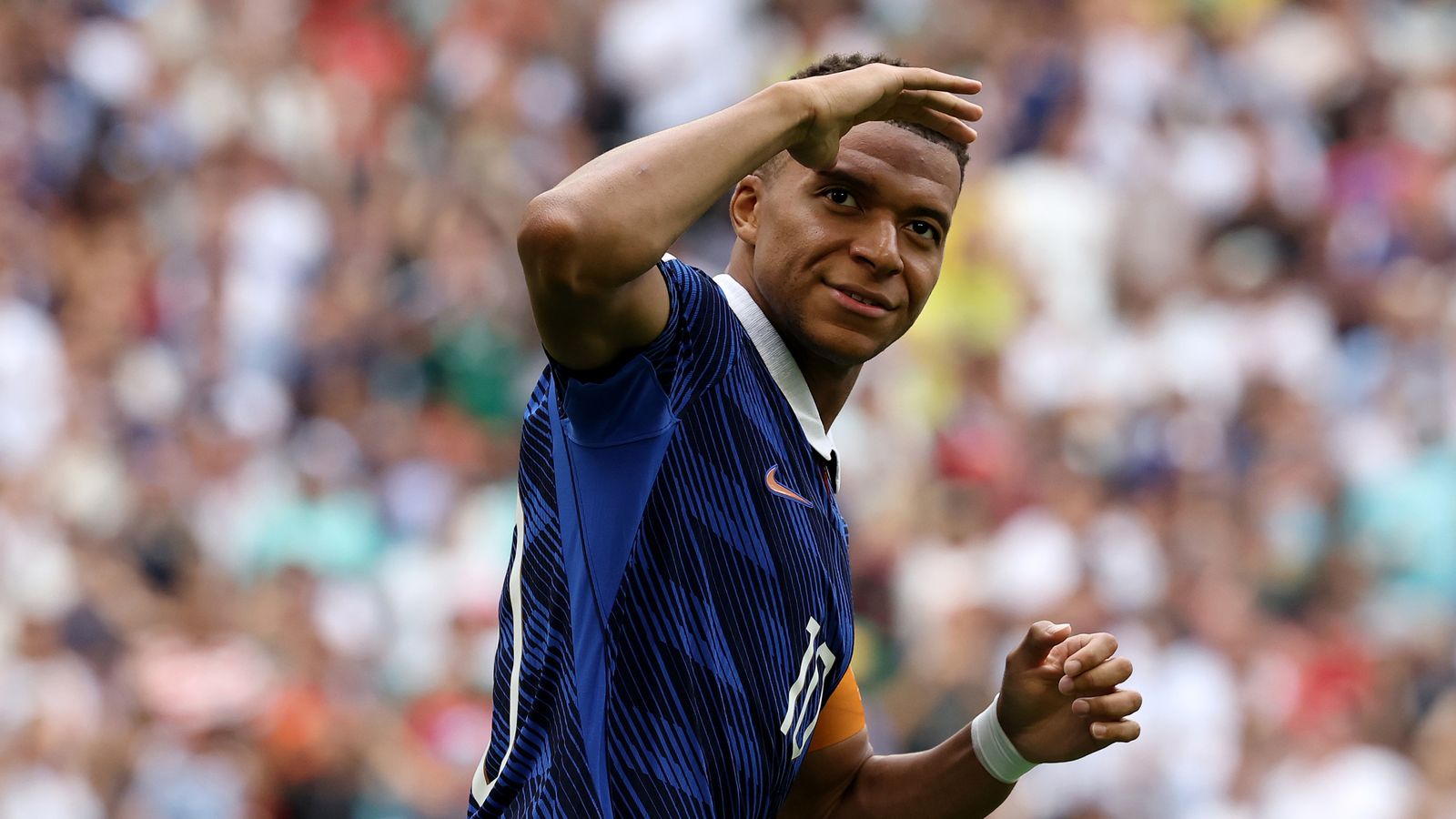
Off the ball, the individual stakes remain equally compelling. Kylian Mbappe currently sits two goals ahead of Lionel Messi in the Golden Boot race, as Sky Sports reports. Messi’s influence on the final will likely depend on his ability to find pockets of space between the Spanish midfield and their backline, an area where he has successfully operated to generate high-value chances.
Flaws in the tactical design
Neither side is immune to tactical regression. Spain has struggled to convert set-piece opportunities, failing to score from a corner in their last four attempts. This represents a significant waste of potential momentum given the height they possess in the box. Likewise, Argentina’s defensive line has shown an alarming tendency to push too high during extended attacks.
This aggressive positioning invites long-ball transitions behind their fullbacks, a tactical oversight that has resulted in a 15% increase in dangerous shots allowed since the start of the knockout round. If Spain exploits this gap in the 65th minute and beyond, the game state could shift drastically in favor of the Europeans. Football logic dictates that the team controlling the tempo will prevail, but history suggests that the winner is usually the side that makes the fewest errors in defensive transition.
Read Next
- Spain and Argentina are forcing a tactical reset in New Jersey
- Spain have already outclassed Argentina in the World Cup final
- Argentina’s tactical arrogance is ruining their World Cup legacy
- Argentina and Spain are redefining the tactical World Cup final
- 🏆 World Cup 2026 — Full Coverage Hub
- 🇦🇷 Argentina World Cup 2026 — Defending Champions Hub
- 🇪🇸 Spain World Cup 2026 — La Roja Hub