The Weight of the Crest
The 2026 World Cup semi-final in Atlanta isn't just a knockout fixture; it is an epoch-defining collision between two footballing cultures obsessed with their own myth-making. As The Guardian notes, this relationship is rooted in historical trauma and iconic moments that elevate a simple sport into a proxy war. Here are the ten reasons why Argentina remains the tournament's most volatile force.
The Rankings: Defining the Albiceleste Influence
1. Lionel Messi. Still the gravitational center of the global game, his presence alone forces Thomas Tuchel to recalibrate the entire English defensive structure. Messi’s ability to manipulate space in the final third remains the primary threat to England's hope of reaching their first final since 1966. Relying on him to dismantle low blocks isn't just a tactic, it is an institution.
2. Defensive Resilience. Argentina’s backline has shown an ability to absorb pressure that borders on the sadistic, a crucial trait for the reigning world champions. They play with a calculated bite, often drawing fouls to disrupt flow when momentum shifts against them. Their street-smart approach to closing out games makes them arguably the most difficult team to chase a lead against in modern football.
3. The 'Fourth Star' Mentality. The current squad is driven by a fervor that goes beyond professional duty, exemplified by their dressing room singing regarding their legacy. Reports indicate this team is playing for more than a trophy; they are looking to cement a multi-generational dominance. This emotional volatility is both their greatest asset and a potential failure point under intense scrutiny.
4. Tactical Flexibility. Lionel Scaloni’s ability to shift shapes mid-match separates him from traditionalist managers who cling to a single identity. Whether it is a high-press transition or a defensive shell, Scaloni forces opponents to prepare for three different games rather than one. His refusal to be pinned down by singular system demands makes him the most dangerous manager in the final four.
5. The 'Ultra' Contingent. The environment outside the stadium has taken a volatile turn, with the FBI labeling this fixture the highest risk of the tournament. The physical confrontations between supporters reflect the high-stakes nature of the matchup described in recent reporting. Whether this translates into a toxic atmosphere inside the stadium depends on containment efforts by local authorities.
6. Midfield Dogma. The trio in the center of the pitch acts as a suffocating engine room that prevents rhythm from ever forming for their opponents. They don't just win possession, they win the psychological battle by inviting contact and dictating the tempo of fouls. This aggressive style of control is why they were able to dismantle Switzerland 3-1 with such cold efficiency.
7. The Penalty Lottery. Argentina is statistically the team no one wants to face if the game goes to 120 minutes. Their history in shootouts suggests a composure born from constant pressure, leaving opponents like England to scramble for answers. It is an unfair advantage that rests on both psychological fortitude and proven track records.
8. Set-Piece Vulnerability. A critical negative observation is their tendency to lose focus during transition defensive phases following an attacking corner. While they are world-class, they have shown susceptibility to pace on the counter-attack, a defect England will certainly look to exploit. If the game opens up, Argentina’s defensive line is surprisingly prone to gaps when the fullbacks overlap.
9. The 'Special Request' Stance. Recent headlines regarding FIFA’s approval of an Argentinian 'special request' have signaled a deep-seated distrust within the federation toward administrative impartiality. While details remain shielded, the move has added another layer of conspiracy to an already heated narrative. Whether this provides a genuine edge or simply fires up the opposition is a point of contention.
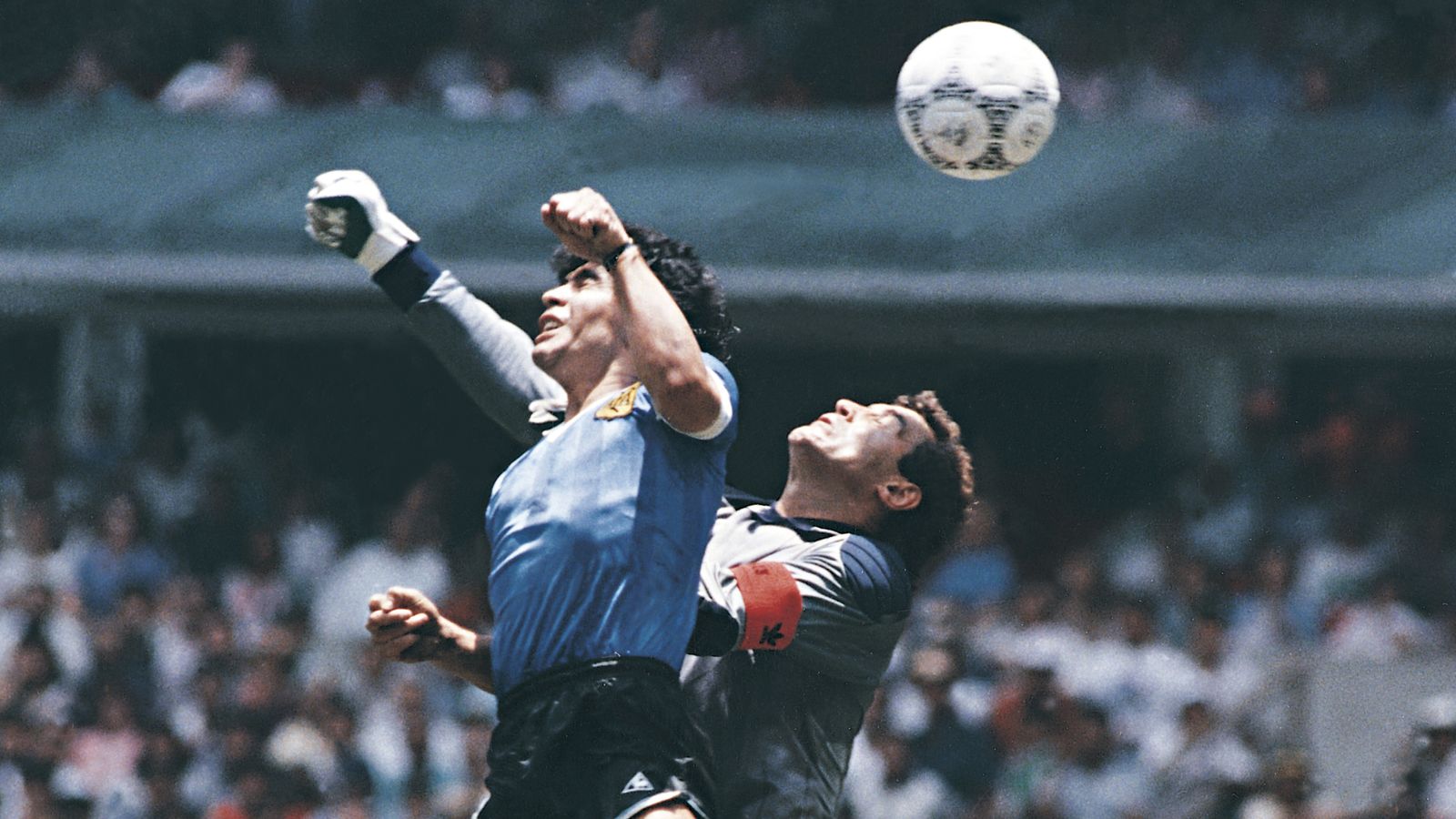
10. Historical Gravity. This isn't just another game because the ghosts of 1986 and 1998 are permanent fixtures in the stadium. Players are constantly reminded of these history-making moments, which weighs on the younger generation of talents. It is a heavy burden, yet, as proven in previous cups, it often produces the most hardened performances from the Argentine veterans.
The Big Picture
This semi-final is a fragile collision of history, politics, and raw talent that FIFA may struggle to contain if tensions boil over. The outcome hinges on whether Argentina's emotional intensity translates into clinical precision or a self-destructive meltdown.
Honorable Mentions
- Julian Alvarez: The silent assassin whose off-the-ball movement remains underrated.
- The Goalkeeping Unit: Their ability to read penalty takers under 85,000 fans' scrutiny is unparalleled.
- The Tactical Staff: The hidden hand behind the team's mid-game adjustments.
Read Next
- Argentina vs England is the high-stakes chess match we all deserve
- Top 10: The Tuchel Transformation of England
- Tuchel's rigid block will choke Argentina and put England in the final
- Zidane is the only man who can clean up the French mess
- 🇦🇷 Argentina World Cup 2026 — Defending Champions Hub
- 🏴 England World Cup 2026 — Three Lions Hub