The Big Picture: Staging the Semis
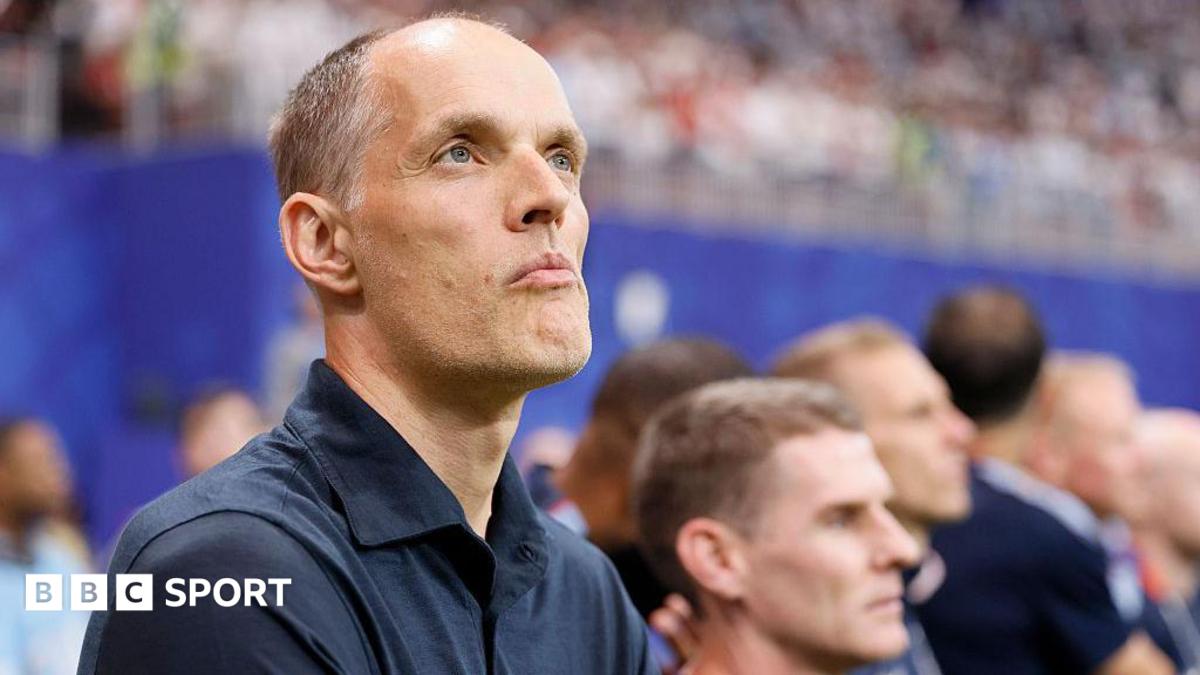
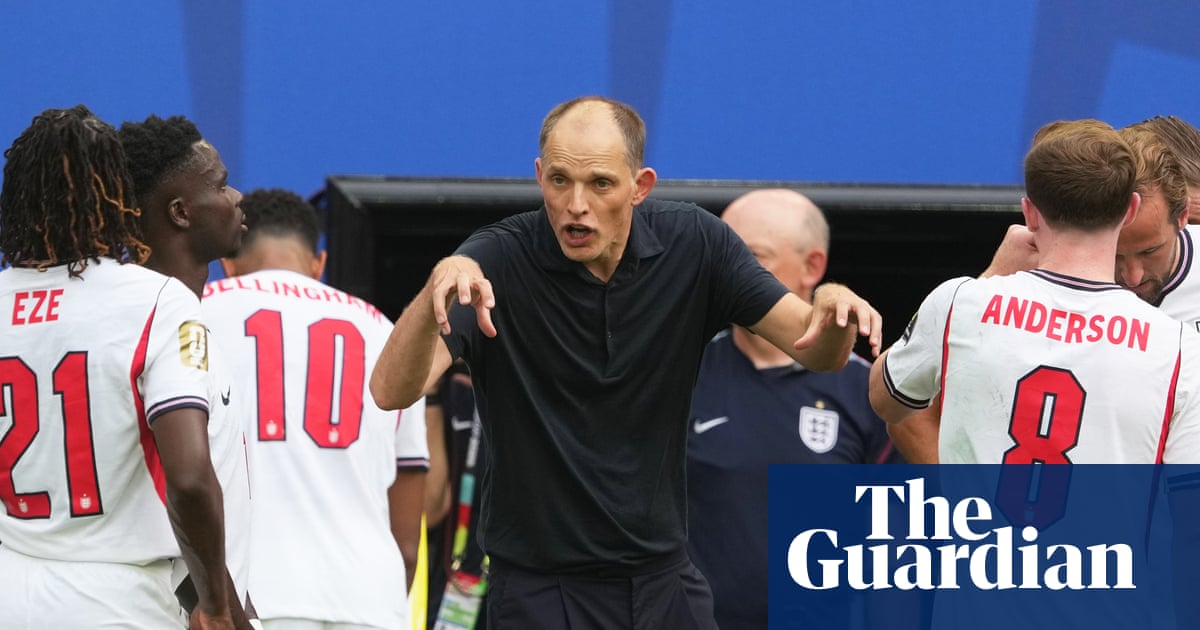
Thomas Tuchel has steered England into a high-stakes collision with Argentina at the 2026 World Cup, marking the latest chapter in a rivalry that The Guardian notes is steeped in historical tension. His tactical rigidity and man-management have been tested by internal friction, but he remains the architect of England's current path to glory in Atlanta.
The Ranking: Tuchel's Defining Moments
- The Argentina Semifinal Preparation. Tuchel is currently managing a locker room balancing peak physical demand with inevitable historical baggage. He has publicly dismissed the emotional weight, focusing instead on tactical discipline to stifle Messi.
- The Bellingham Conflict Resolution. After public outbursts followed the Norway quarter-final, Tuchel held private talks with his star midfielder. Reports confirm he successfully quelled the brewing media storm to ensure squad cohesion remains intact on the eve of the semi-final.
- The Jockey vs. Horse Retort. Tuchel defended his own mediocre playing career with a trademark quip: "You don't have to be a horse to be a good jockey." It shows his ability to deflect critique from pundits who rely on old-school pedigree arguments.
- Quarter-final Result Against Norway. Getting past a gritty Norway side was his most significant tactical win of the tournament. The win margin was a narrow 1-0, highlighting his preference for defensive stability over expansive attacking football.
- Managing the Argentine Narrative. He has successfully shifted the discourse away from the Falklands conflict, framing the match as a pure footballing engagement. His ability to isolate players from media narratives is arguably his greatest asset.
- Tactical Adjustments Post-Group Stage. Tuchel has displayed a ruthless commitment to rotating players, refusing to bow to fan or media pressure regarding lineup consistency. It remains a high-risk, high-reward strategy that has kept his squad fresh for the final stages.
- The Public Persona Alignment. Unlike his predecessors who leaned into 'Englishness,' Tuchel remains clinical and detached. This allows him to make unpopular decisions, like benching fan-favorite wingers, without suffering a total loss of authority.
- Defensive Discipline. His setup relies on an ultra-compact shape that forces opponents to play wide. If the 87th minute arrives with a lead, Tuchel's side often shifts to a 5-at-the-back formation that is nearly impossible to break.
- Integration of Tactical Analytics. He ranks this low only because it is expected at this level; his reliance on data-driven substitutions has minimized late-game collapses. However, it sometimes results in defensive, kill-the-clock play that frustrates supporters.
- Handling Historic Parallels. Tuchel has actively distanced the current squad from the ghosts of 1998 and 2002. While he recognizes history, his refusal to view the match through the lens of retribution is a refreshing, albeit sterile, shift from traditional English emotionalism.
Honorable Mentions: Missed Steps
Tuchel’s handling of post-match media obligations remains a liability, as he frequently allows personal friction to dominate front-page headlines. His recent dismissiveness toward legacy media analysts could also backfire if the team suffers a demoralizing defeat on Wednesday.
Ultimately, his tenure is defined by an absolute refusal to be liked by the establishment. Whether he guides England past Argentina will decide if this approach is remembered as visionary or simply cold.