
Thomas Tuchel has England playing like a tournament machine
Tactical rigor over romanticism
England enters the quarter-finals at Miami Stadium with a profile that feels fundamentally distinct from the Gareth Southgate era. Under Thomas Tuchel, the side has moved away from the caution that defined the European Championship cycle. Instead, they operate as a high-compression unit designed to squeeze the life out of opponents in the midfield third.
The shift is noticeable in the transition phase. Against group-stage opposition, the team did not wait for the low block to break. They triggered the press immediately upon losing possession, using a 3-2-5 structure in attack that allows the full-backs to tuck in and disrupt counters before they reach the center-backs. It is clinical football, often prioritizing positional stability over individual flair.
The Miami test against Norway
Norway represents the first true metric of this tactical shift. While England’s campaign has been defined by defensive organization, the quarter-final matchup demands more than a rigid block. The wingers must track back aggressively against Norway’s aggressive overlapping runs, a requirement that arguably limits the offensive contributions of wide forwards expected to create high-xG moments.
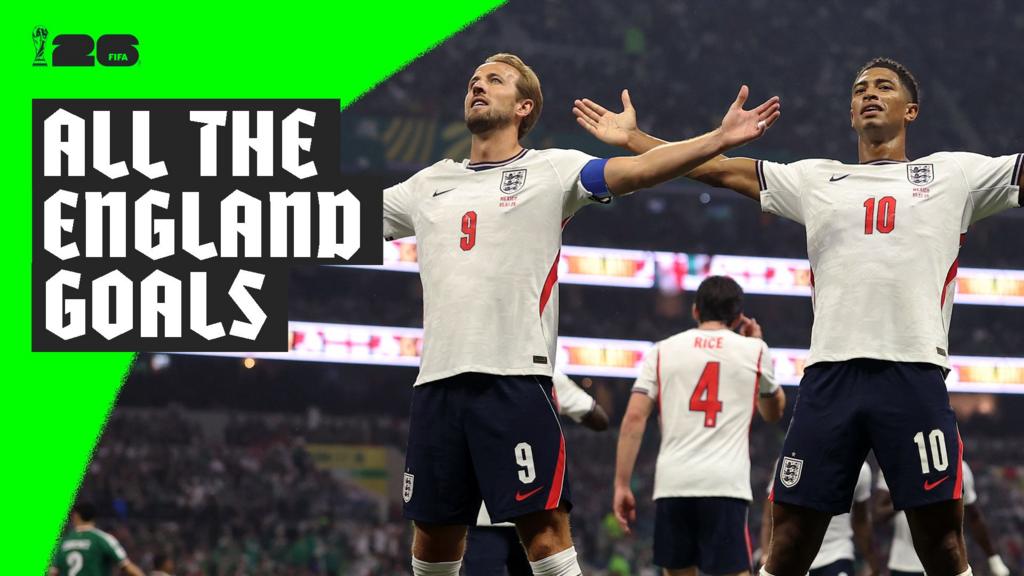
As recent coverage suggests, tracking the goals scored thus far highlights a heavy reliance on set-piece delivery and second-ball dominance. This is a deliberate choice. By forcing games into a narrow physical contest, Tuchel keeps the margin of error slim. The risk, of course, is that a singular moment of individual brilliance from an opponent can unravel a match plan based entirely on shape and discipline.
Efficiency versus the eye test
Critics point to the lack of fluid play in the final third as a potential failing. Despite navigating the path to the quarters, the forward line has occasionally appeared disjointed. There is a disconnect between the holding midfielders and the creative pivot, resulting in an over-reliance on vertical balls to the striker. When these long balls fail to stick, the team is forced to retreat into a 4-5-1 phase that keeps the ball far from the opposition penalty area for minutes at a time.
The expected goals tally for the tournament is lower than many anticipated for this squad size. This suggests the coaching staff is prioritizing control above all else. They are not looking to outscore nations in a shootout. They are betting that their defensive metrics—which currently sit at an impressive 0.42 xGA per match—will outcompete any attacking fluidity shown by Norway or their potential semi-final opponents.
Refining the final third
Success in Miami will come down to whether they can manipulate space more effectively. During the previous rounds, the side struggled to break down deeper lines without conceding opportunities on the break. If they go a goal down, the current tactical setup lacks an obvious gear shift. The transition from a defensive shell to an aggressive, ball-dominant side has not been perfected.
This is a tournament of attrition. If Tuchel can maintain a clean sheet while relying on players like Bukayo Saka and Jude Bellingham to carve out one or two quality chances, the pragmatic approach will be praised as genius. If they fail to create meaningful avenues to goal, the criticism will likely focus on a failure to utilize the depth of the squad. The match against Norway is the definitive answer to whether this approach is built for a deep run or if it is merely a way to survive until luck runs out.
Read Next
- Tuchel faces his biggest nightmare in Miami as England meet Norway
- Tuchel faces his biggest nightmare in Miami as England meet Norway
- England’s tactical equilibrium hinges on a healthy midfield
- Tuchel's England prepare for Norway as FIFA suspension chaos looms
- 🏴 England World Cup 2026 — Three Lions Hub
The Soccer 100: The Story of the Greatest Players in History
The ultimate GOAT debate settler from The Athletic.
Frequently Asked Questions
How has Thomas Tuchel changed England's tactical approach?
What is the primary risk of England's current tactical setup?
Why has England relied on set-pieces and second-ball dominance?
What concerns do critics have regarding England's forward play?
How will Norway challenge England in the quarter-final?
More Coverage

Portugal are about to play their best football in a decade without Ronaldo
2 days, 18 hours ago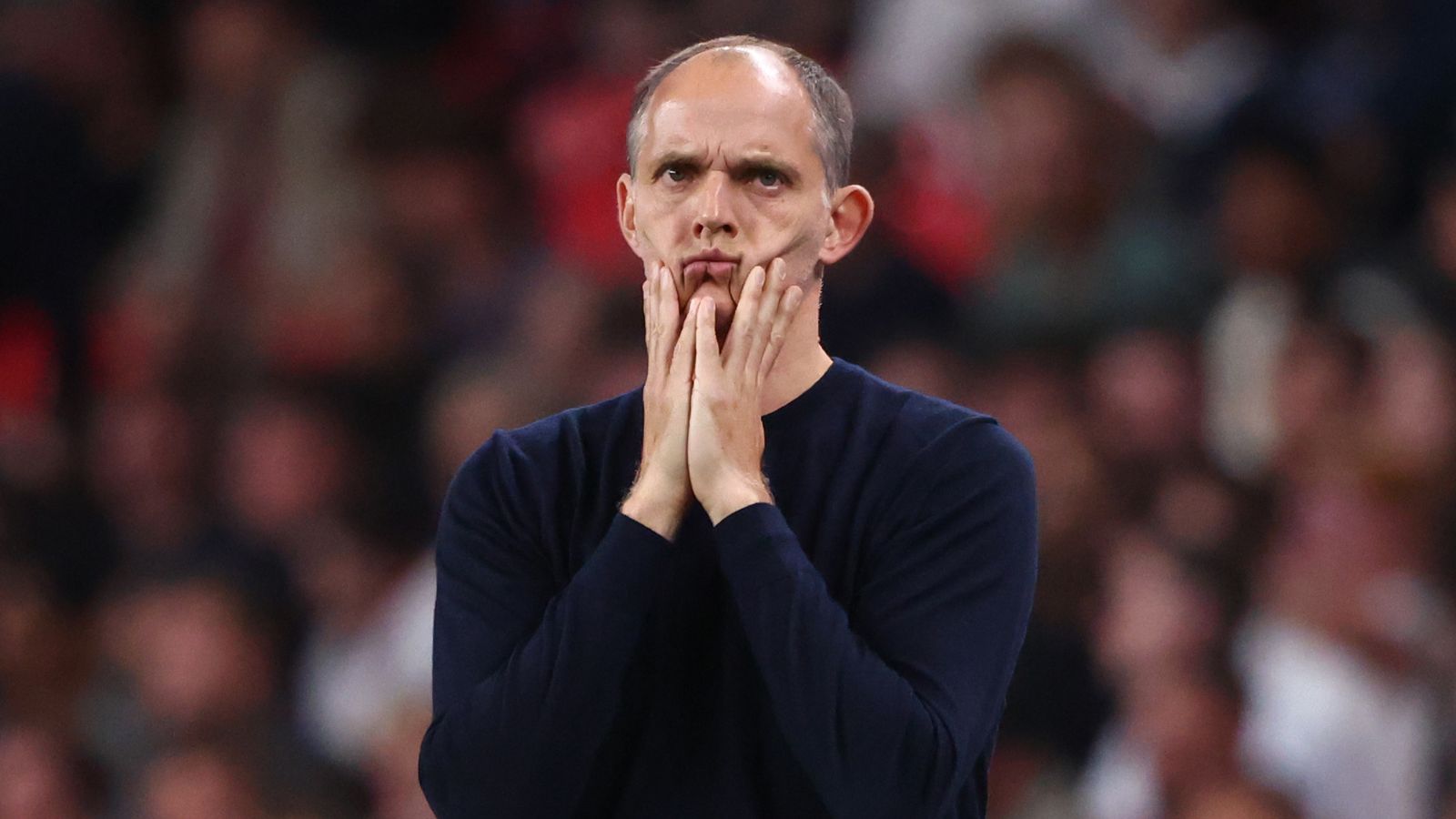
England fitness report: Trent's return, right-back injury surge, and Spain test
2 days, 22 hours ago
Why Marie-Louise Eta's 4-3-3 shift is working at Union Berlin
3 days, 23 hours ago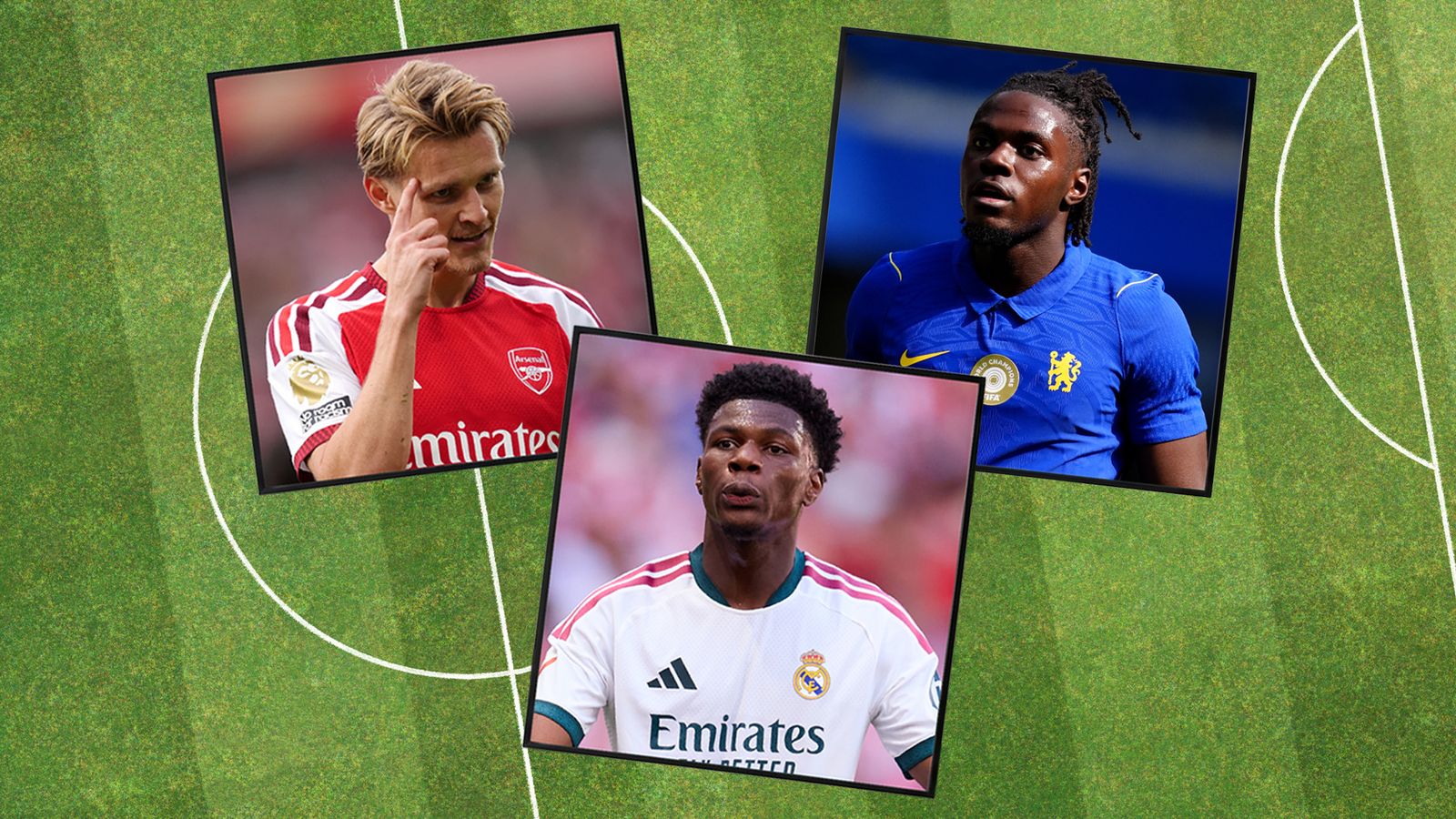
Why Martin Odegaard and Premier League Stars Are Obsessed With VR
3 days, 23 hours ago
England crush Croatia 7-0 as Lee Gi-hyuk sparks Asian Games draft storm
4 days, 19 hours ago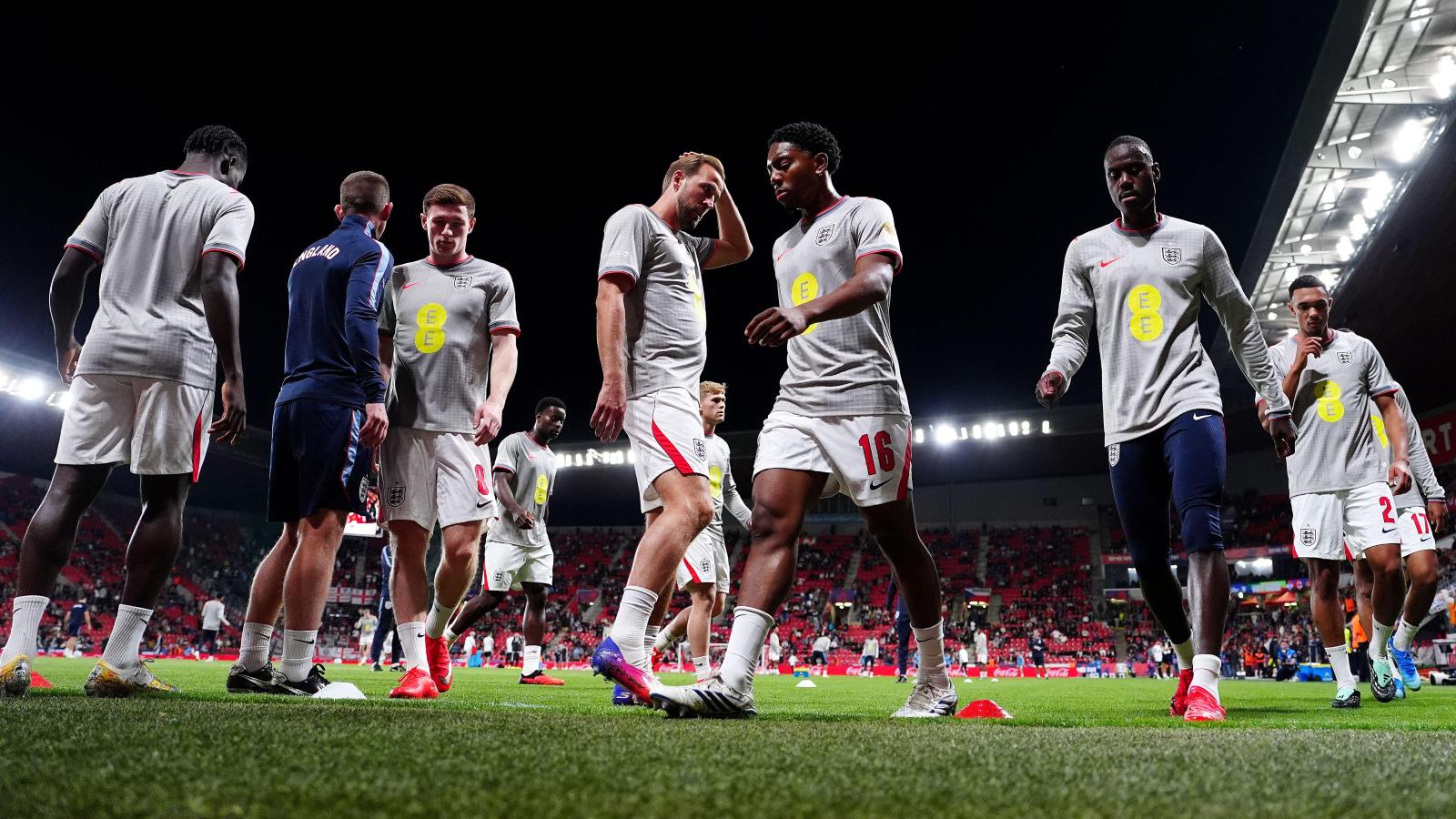
Bukayo Saka blew Croatia away, but his real challenge under Tuchel is ahead
5 days, 7 hours agoMore Analysis
Portugal are about to play their best football in a decade without Ronaldo
2 days, 18 hours ago
England fitness report: Trent's return, right-back injury surge, and Spain test
2 days, 22 hours ago
Why Marie-Louise Eta's 4-3-3 shift is working at Union Berlin
3 days, 23 hours ago
Why Martin Odegaard and Premier League Stars Are Obsessed With VR
3 days, 23 hours ago
England crush Croatia 7-0 as Lee Gi-hyuk sparks Asian Games draft storm
4 days, 19 hours ago