A shift in the transatlantic broadcast model
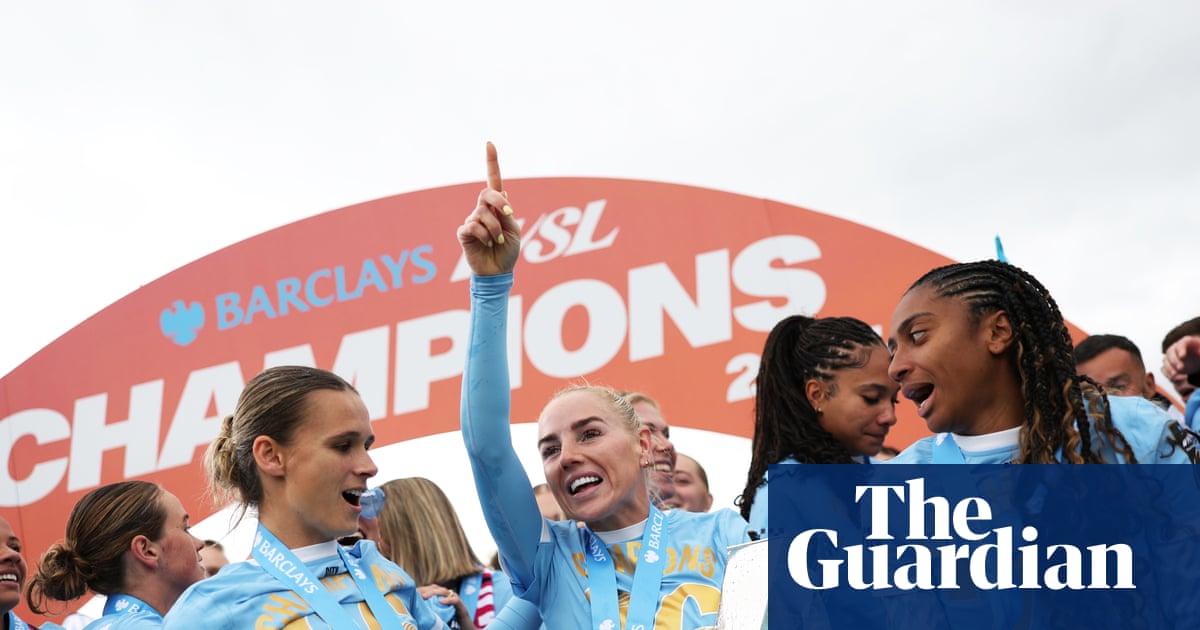
Today’s confirmation that the Women’s Super League has secured a four-year broadcast agreement with CBS Sports marks a significant pivot in how English women’s football packages itself for international consumption. By securing a platform that guarantees 183 matches per season on Paramount+, the league is moving away from the fractured distribution models that previously hindered visibility for North American fans.
The valuation of these rights suggests a high level of confidence in the product. While traditional domestic broadcast deals have often focused on maintaining a core audience, this move is a clear attempt to capture the growing demographic of US-based fans who have already been conditioned by the NWSL to follow women’s matches on a weekly basis.
The infrastructure challenge behind the headlines
Securing a deal is the easy part. The real test begins when the WSL lands record four-year deal with CBS Sports to broadcast games in the US, ensuring the broadcast quality matches the high expectations of a US audience acclimatized to top-tier production values. Moving from a niche streaming category to a premier placement requires more than just a contract; it requires the league to synchronize its match schedule to maximize US primetime slots.
Critics will inevitably point to the scheduling burden. English football matches often kick off at times that render them invisible to viewers in Pacific or Mountain time zones. To justify the 183 matches being aired annually, the league must consider the daylight hours of the Eastern Seaboard. Without a shift in kick-off times, the massive quantity of broadcast hours risks sitting empty on the schedule.
The NWSL comparison is unavoidable
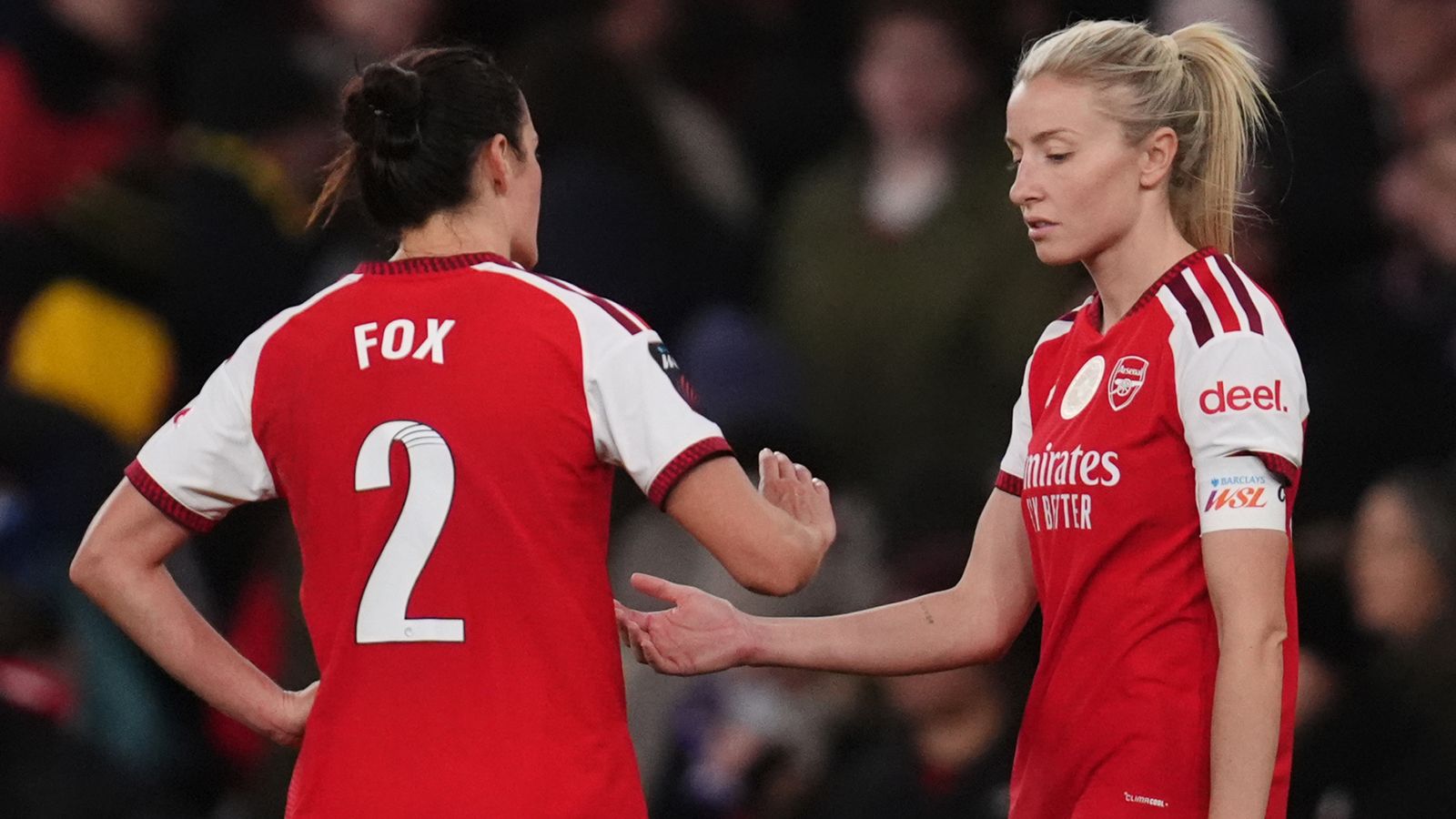
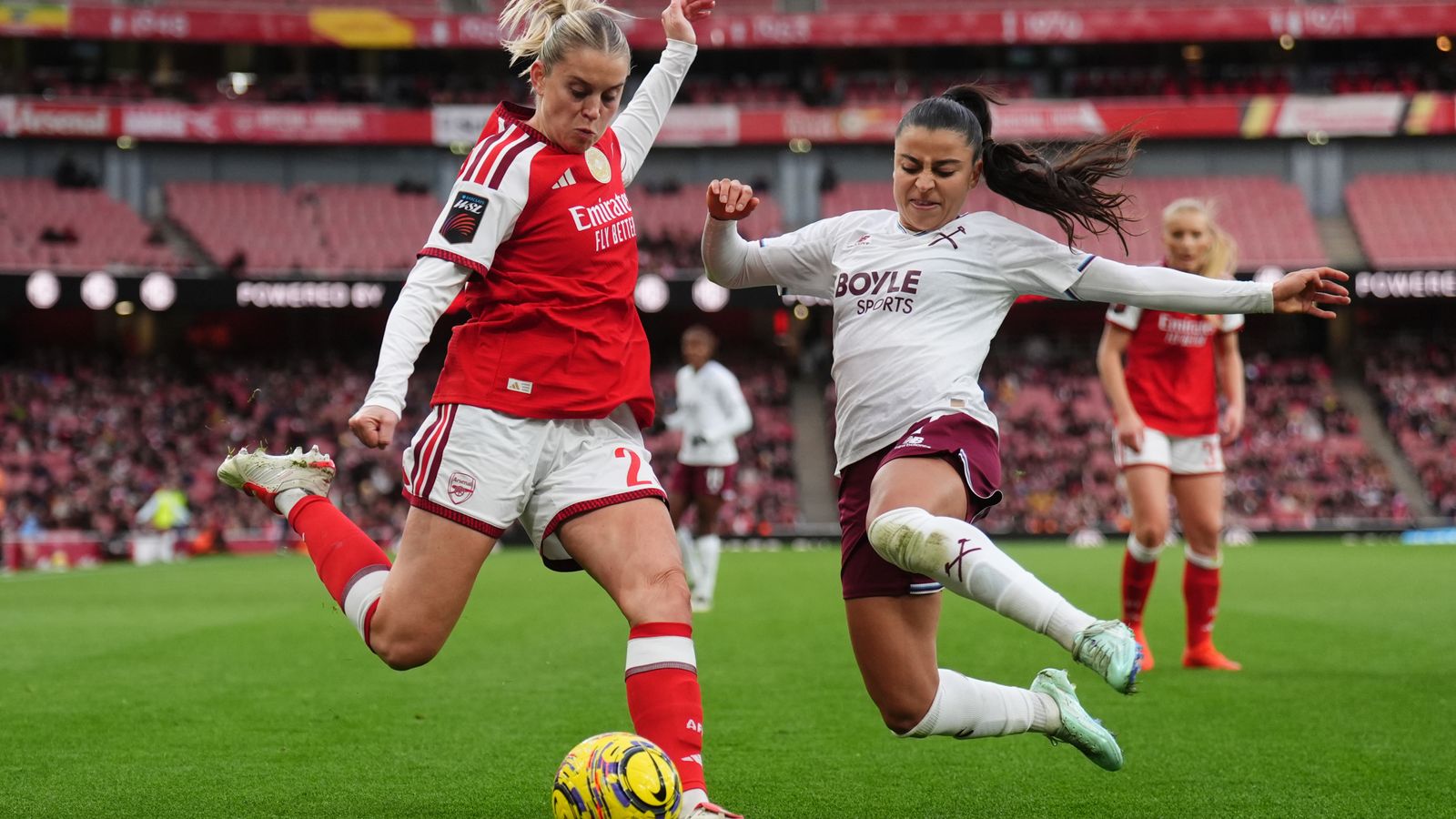
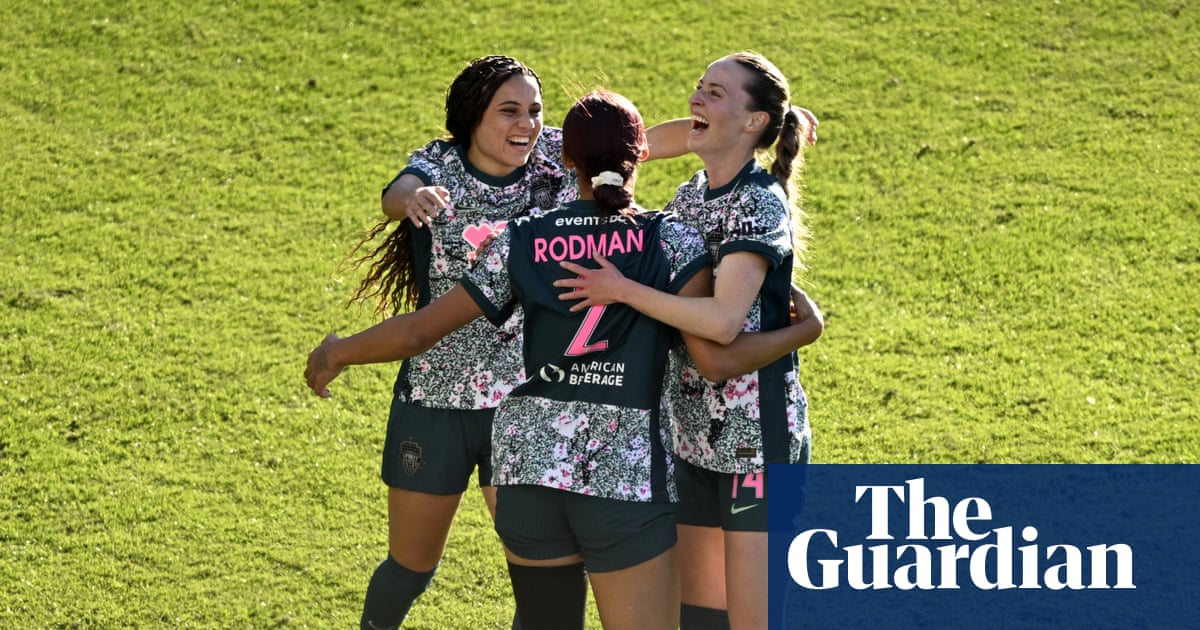
When looking at the commercial expansion of the women’s game, the NWSL sets the ceiling for what is possible in the US. The domestic product has benefited from a localized hype machine and heavy cultural investment. The WSL enters this arena with a different set of tactical advantages, specifically the historic brand recognition of clubs like Arsenal, Chelsea, and Manchester City.
However, importing an English product for an American audience isn't a guarantee of success. The league must avoid the trap of assuming brand loyalty translates directly to viewership metrics. We saw similar friction when the Premier League started its aggressive US push two decades ago; the product only saw exponential growth when it stopped catering to the casual traveler and started providing consistent, reliable access points for the dedicated obsessive.
Are the production values ready for prime time?
My concern remains the on-the-ground consistency of the smaller English clubs. While the top-four clashes feature elite camera work and balanced audio, the lower-table fixtures occasionally suffer from shaky, single-angle streams that would not pass muster on a network like CBS. If the league intends to showcase the full slate of 183 matches, the standards at the bottom must climb.
We are looking at a deal that spans until the end of the 2029-30 campaign. That gives the clubs five full seasons to normalize their broadcast output. If the mid-table squads continue to treat production as an afterthought rather than a core revenue stream, this four-year agreement will eventually look like a missed opportunity to cement a foothold in the most valuable sports media territory on the planet.