The Pre-Selected Host Advantage
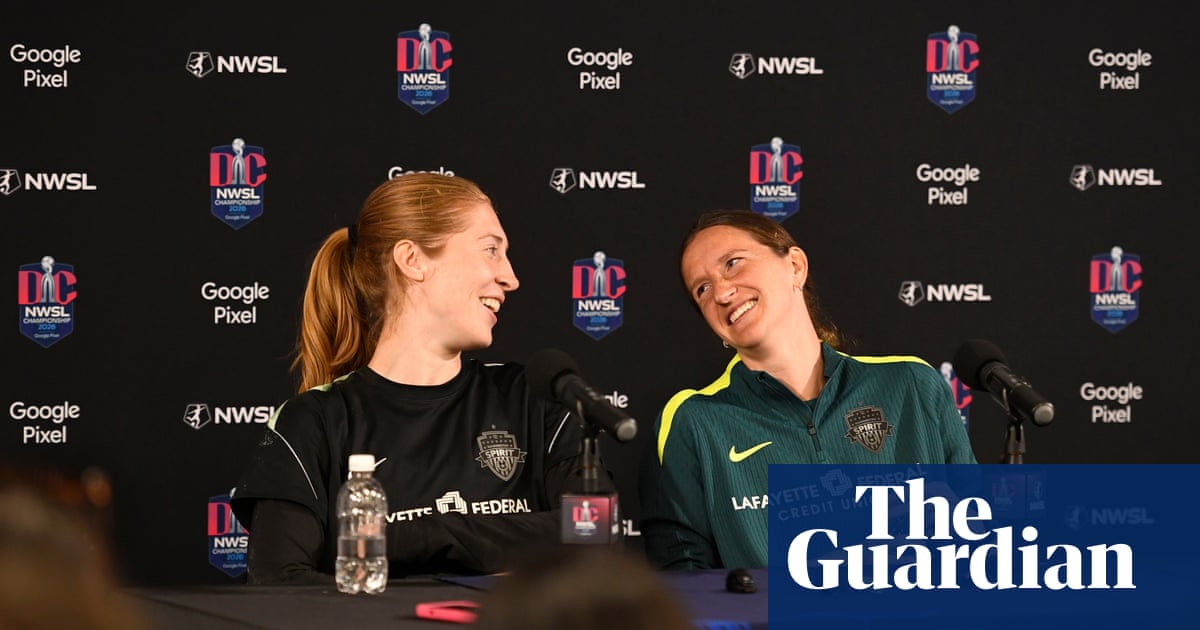
Audi Field is about to host the most expensive domestic fixture in American women's soccer history. Saturday's NWSL Championship between the Washington Spirit and the Kansas City Current has turned the nation's capital into a buzzing tactical battleground. The stakes are immense, and the atmosphere in D.C. will be hostile.
Awarding title matches to predetermined host cities long before kickoff always carries serious sporting risks. In most years, league officials end up managing a polite showcase in front of neutral ticket holders who bought seats without knowing who would play. This year, the league caught a massive break that completely upends the competitive balance.
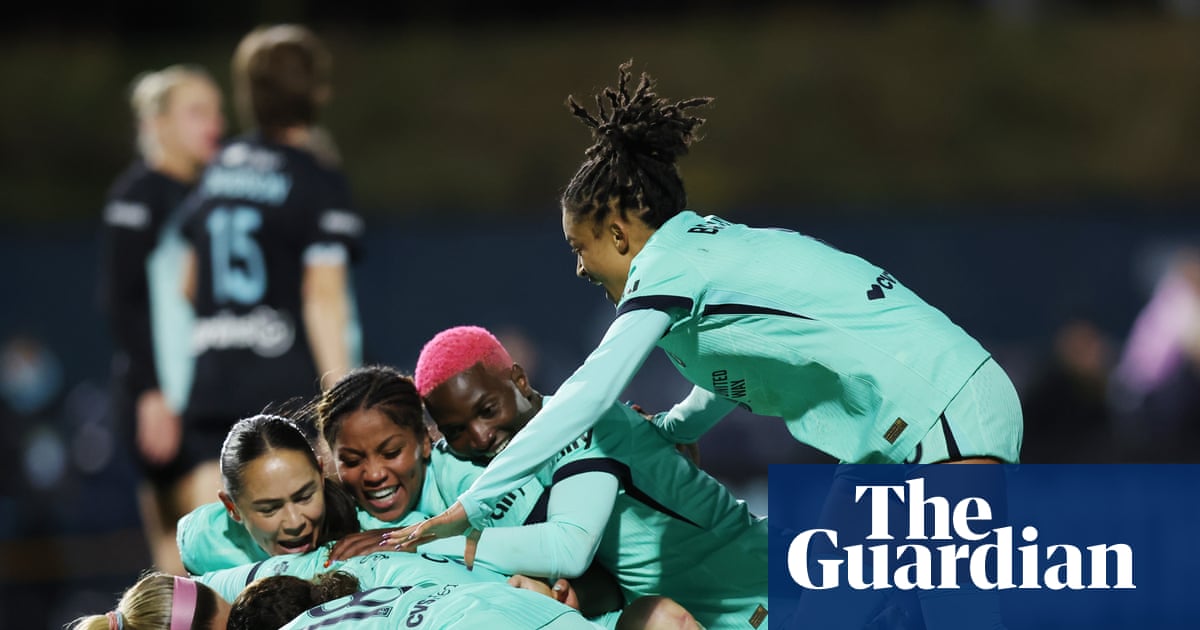
Washington punched their ticket to the title decider with a clinical semifinal win last Saturday. That result instantly erased any concept of a neutral final. The Spirit will sleep in their own beds, stick to their everyday routines, and walk into their familiar home dressing room.
That psychological comfort cannot be overstated in a single-leg final. Neutral sites usually force both teams to adapt to unfamiliar locker rooms, foreign pitch dimensions, and quiet stands. Kansas City will not have the luxury of a split crowd on Saturday afternoon.
The Current must march directly into Buzzard Point and try to seize the trophy in front of twenty thousand partisan fans. That environment changes how a team manages risk. Washington will look to start at a blistering tempo, feeding off an energized home crowd from the very first whistle.
Resale Madness and the Executive Blindspot
The frenzy off the pitch reveals just how significant this match has become. When Washington locked up their spot last weekend, secondary ticket platforms experienced an immediate explosion in traffic.
According to figures tracked by TicketData.com, the cheapest entry price shot up to an unbelievable $755 within hours of Washington's semifinal victory. For a competition built on accessible family attendance, that number was completely unprecedented.
The market cooled somewhat as the week progressed. By Friday morning, the get-in price slipped down to $308 before climbing back up. As The Guardian reported, the cheapest seat settled near $362 by Friday midday, representing a 52.1% decline from that initial Saturday peak.
Even after that drop, Saturday's final shatters every prior standard. Previous championship matches in this competition never topped $100 on matchday. Just twelve months ago, the Spirit clashed with Gotham FC in San Jose with a get-in price of just $64.
US ticketing analyst Keith Smith evaluated the astonishing pricing trajectory on social media this week. He described the sudden convergence of home-market demand and thin reseller supply as a:
"perfect storm"
Smith explained that professional ticket resellers historically showed little interest in NWSL fixtures. Because brokers held almost zero secondary inventory, an organic flood of Spirit supporters wiped out the remaining seats almost overnight. Scarcity drove prices into outer space.
The numbers look staggering when measured against men's soccer. Last season's MLS Cup final in South Florida, featuring Lionel Messi for Inter Miami, peaked at $806 before settling at $271. As tracked in secondary market reporting, fans purchased matchday tickets for Messi in the mid-$200 range, significantly cheaper than Saturday's cheapest seat at Audi Field.
Coming on the heels of record demand for the WNBA finals, this spike highlights a dramatic surge in commercial appetite for women's sports. The audience is expanding rapidly. The willingness to spend real money is beyond dispute.
Yet the executive reaction to this market squeeze deserves sharp criticism. When asked about pricing regular supporters out of the building, NWSL commissioner Jessica Berman brushed aside concerns, remarking this week that soaring prices represent a:
"good problem to have"
That is an arrogant, shortsighted stance from league leadership. Long before tech money and private equity arrived, working-class supporters kept these clubs alive during lean years in half-empty venues. Treating four-hundred-dollar tickets as an unqualified victory alienates the exact supporters who built the league's culture.
Championship finals need organic noise and vibrant supporters' sections, not quiet corporate guests who bought tickets on resale apps. If the real supporters get locked outside the gates, the atmosphere inside the ground loses its soul.
The Rest Disparity and Tactical Prep
Beyond the noise on the secondary exchanges, the competitive ledger leans heavily toward the hosts. The tournament calendar handed Washington an undeniable recovery advantage heading into Saturday.
The Spirit booked their place last Saturday, banking a full seven days of physical recovery, video analysis, and tactical fine-tuning. Their squad avoided flights, slept in their own beds, and enjoyed a structured week of light training. That extra day is pure gold late in a long season.
Kansas City took the punishing path to the final. The Current had to endure an exhausting, physical war against Gotham FC on Sunday afternoon, eventually grinding out a 2-1 semifinal victory.
That 24-hour deficit in rest will matter down the stretch on Saturday. Sunday's clash with Gotham took a heavy toll on Kansas City's midfield runners. Pushing past the reigning champions required ninety minutes of frantic pressing and brutal physical duels.
Yet write Kansas City off at your own peril. Surviving that semifinal battle proved the Current have iron in their blood. They understand how to suffer without losing their structural discipline.
Against Gotham, Kansas City repeatedly absorbed sustained waves of pressure without cracking. They bent deep into their defensive third, defended the box with urgency, and cleared loose balls with composure. They do not get rattled when opponents control the ball.
That resilience makes them an infuriating team to break down. Kansas City do not need sixty percent possession to beat you. They are perfectly content to sit in a disciplined mid-block and strike like a cobra when you make a mistake.
Spatial Control and Midfield Battlegrounds
Tactically, Audi Field presents specific spatial challenges that dictate how this match must be played. The pitch dimensions in D.C. are tight, which tends to suffocate central playmakers who want three touches before releasing the ball.
Washington cannot afford to get bogged down in central traffic. If the Spirit try to force passes through congested central lanes, Kansas City's aggressive double-pivot will choke them out. The Spirit must stretch the pitch from sideline to sideline.
Switching play quickly into the wide channels will be Washington's primary tactical key. By isolating Kansas City's fullbacks in space, the Spirit can pull the Current's center-backs out of their comfort zone. If those diagonal switches arrive on time, scoring chances will follow.
For Kansas City, the mission is disrupting Washington's rhythm before it develops. The Current excel at springing transition traps right around the halfway line. When opponents push their outside backs high, Kansas City release fast direct passes into the vacated grass behind them.
That transition threat was precisely how the Current punished Gotham on Sunday. One sloppy giveaway from Washington's holding midfielder could ignite an immediate three-on-two counter-attack. The Spirit must maintain rest-defense vigilance even while attacking.
Set pieces will loom massive over this entire contest. In cagey championship matches where open-play xG often shrinks, dead-ball execution frequently separates winners from losers. Both sides possess dangerous aerial targets, making every conceded corner a heart-stopping moment.
Goalkeeping execution in the swirling November air will also carry outsized significance. Swirling winds near the Anacostia River make high, floated deliveries deceptive for shot-stoppers. One misjudged punch or fumbled cross could decide who lifts the trophy.
Pressure Points and Final Verdict
All the external pressure rests squarely on Washington. They have the home crowd, the extra day of rest, and the psychological burden of being the heavy favorite on their own pitch. Losing a final at home leaves a wound that stings for a decade.
Kansas City arrive with freedom and an underdog mentality. They already conquered Gotham on Sunday when many counted them out, and walking into hostile territory suits their abrasive style. Teams with nothing to lose are dangerous in single-elimination matches.
The opening thirty minutes will reveal the script. If Washington strike early, the noise inside Audi Field could turn into an avalanche that sweeps Kansas City away. But if the Current keep things level into the second half, tension will grip the home stands.
Ultimately, freshness will tell the story. Running on shorter rest after a grueling semifinal battle catches up to tired legs around the 75th minute. Kansas City will fight relentlessly, but Washington's fresh legs and superior recovery time will carve out the decisive opening.
Expect a fierce, bruising contest that pushes both squads to their physical limits. Kansas City will land a blow on the counter, but the hosts will find the answers when it counts. My call: Washington Spirit grind out a 2-1 victory to secure the championship on their home grass.