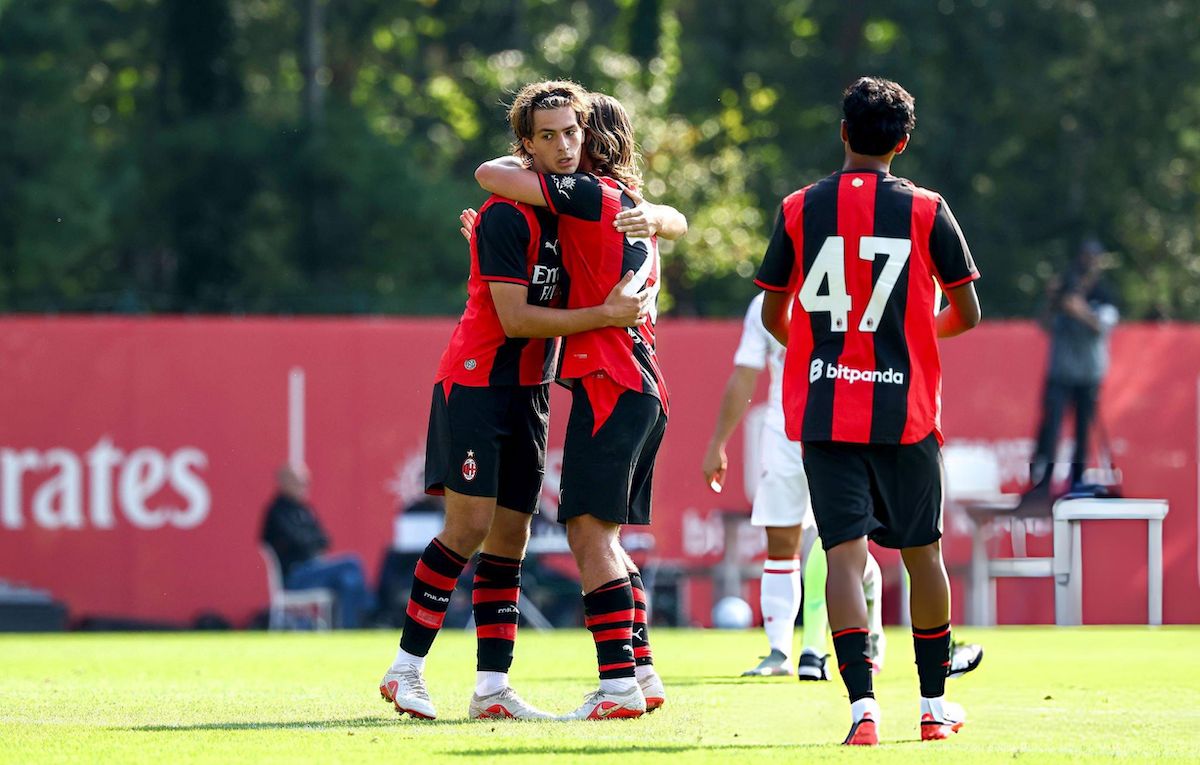
The 15-Player Drain and Amorim's Milanello Laboratory
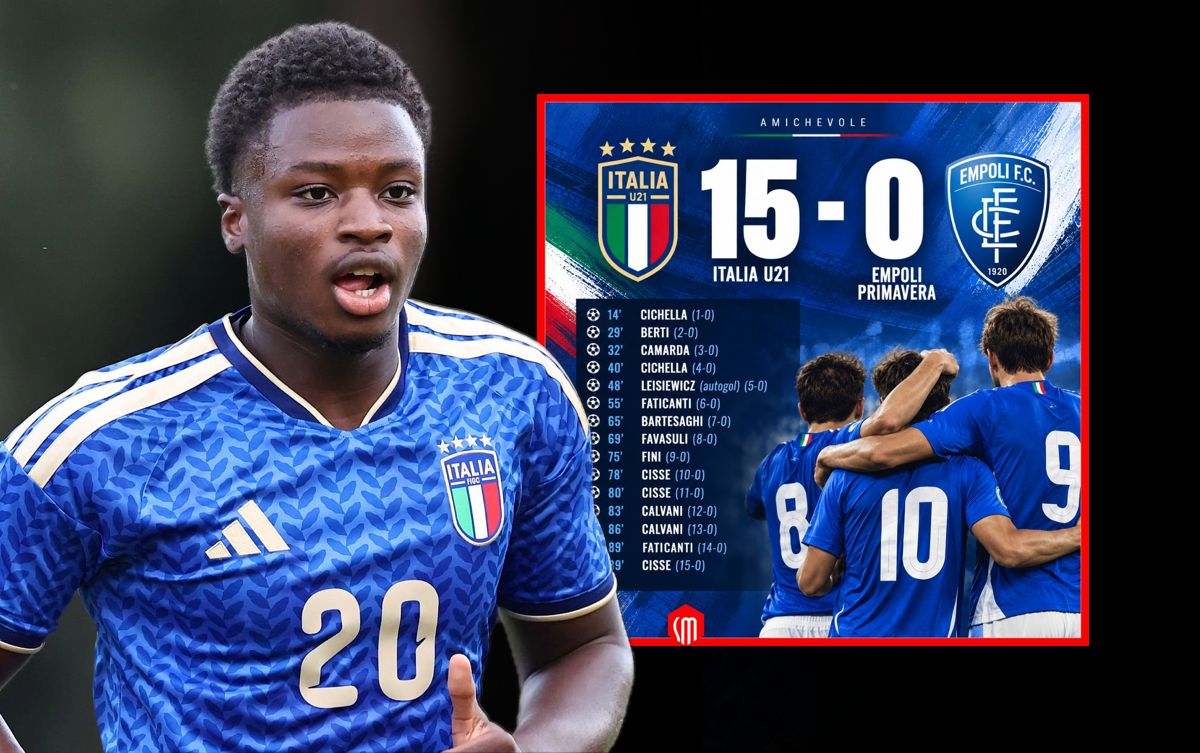
Fifteen players left Carnago this week for international duty. That ties AC Milan with Como for the highest squad depletion rate in Serie A. The international exodus stripped Ruben Amorim of 60% of his core roster during a vital tactical calibration period.
It left Amorim with just 12 first-team players at Milanello to navigate the mid-break schedule. Two of those 12 were goalkeepers in Pietro Terracciano and Lorenzo Torriani. A third, Alexis Saelemaekers, spent the week in treatment after suffering a training ground ankle sprain that carries a 10-day recovery window.
That left exactly nine outfield senior players to anchor the framework for Friday's behind-closed-doors test against Padova. Rather than cancelling tactical work, Amorim integrated youth prospects from Navarro's Milan Futuro side. As detailed in the squad's international selection data, the Portuguese manager used the numerical shortage to run live structural experiments ahead of the October 11 resumption against Sassuolo.
The math behind this decision is straightforward. Standard 25-man squad dynamics obscure individual tactical flaws during high-volume fixture blocks. Stripping the roster down to 36% capacity forced Amorim to evaluate whether his secondary options could execute complex tactical shifts without first-team scaffolding.
Milan's bench output has been lean across the opening months of the season. Starter fatigue in final 20-minute windows has repeatedly led to structural breakdowns and dropped points. Finding functional utility among squad outcasts is no longer a luxury for Amorim. It is an operational necessity.
The Repurposed Outcasts: Auditing Amorim's Wild Cards
Several players currently occupying key roles in Amorim's tactical plans were on the transfer chopping block four months ago. Pervis Estupiñan was virtually an Aston Villa player before Milan boarded their flight for the Australian pre-season tour. Amorim intervened to block the transfer and evaluate the Ecuadorian directly, forcing Villa to pivot toward Ruggeri.
Estupiñan remains a divisive tactical asset. His recovery mechanics during defensive transitions are frequently suspect, leaving wide spaces behind him when possession turns over. Yet his high-intensity overlap volume gives Milan an attacking width that few squad alternatives can replicate.
Yunus Musah presents a similar story of tactical repurposing. Atalanta refused to trigger their €24m buy option after a loan spell in Bergamo last season. Rather than marginalizing the American midfielder, Amorim slotted him directly into his double pivot setup.
Musah's physical profile explains Amorim's faith. His progressive carry numbers and press-resistance give Milan a direct ball-transporter through the central third of the pitch. While his positional discipline still wavers, his second-ball recovery metrics compensate for defensive gaps.
Samuel Chukwueze has undergone an even more radical positional translation. Highlighted alongside Musah during Amorim's unveiling press conference, the Nigerian has transitioned from an isolated right winger to a tracking wing-back. According to report on Amorim's rehabilitated wild cards, Chukwueze's willingness to cover 40 yards of defensive turf has stabilized Milan's right flank rotation.
Fikayo Tomori completes the list of reinstated assets. After a summer exit failed to materialize, Tomori returned to training without immediate match minutes. Friday's test offered the first look at his expanded role under the new tactical regime.
Deconstructing the 4-2-3-1 Experiment Against Padova
Friday's 1-1 friendly against Serie B side Padova at Milanello will not appear in official standings. From a tactical standpoint, however, the untelevised 11:30 CEST kickoff delivered high-value data. Amorim abandoned his standard structure to test a fluid 4-2-3-1 system.
The starting XI featured Pietro Terracciano in goal behind a backline of Matteo Gabbia, Mario Gila, and Tomori deployed out of position at right-back. Sankhoun Diawara, Ruben Loftus-Cheek, Christian Comotto, and Filippo Terracciano formed the midfield layer, while Youssef Idrissi and Omari Hutchinson supported Christian Pulisic up front.
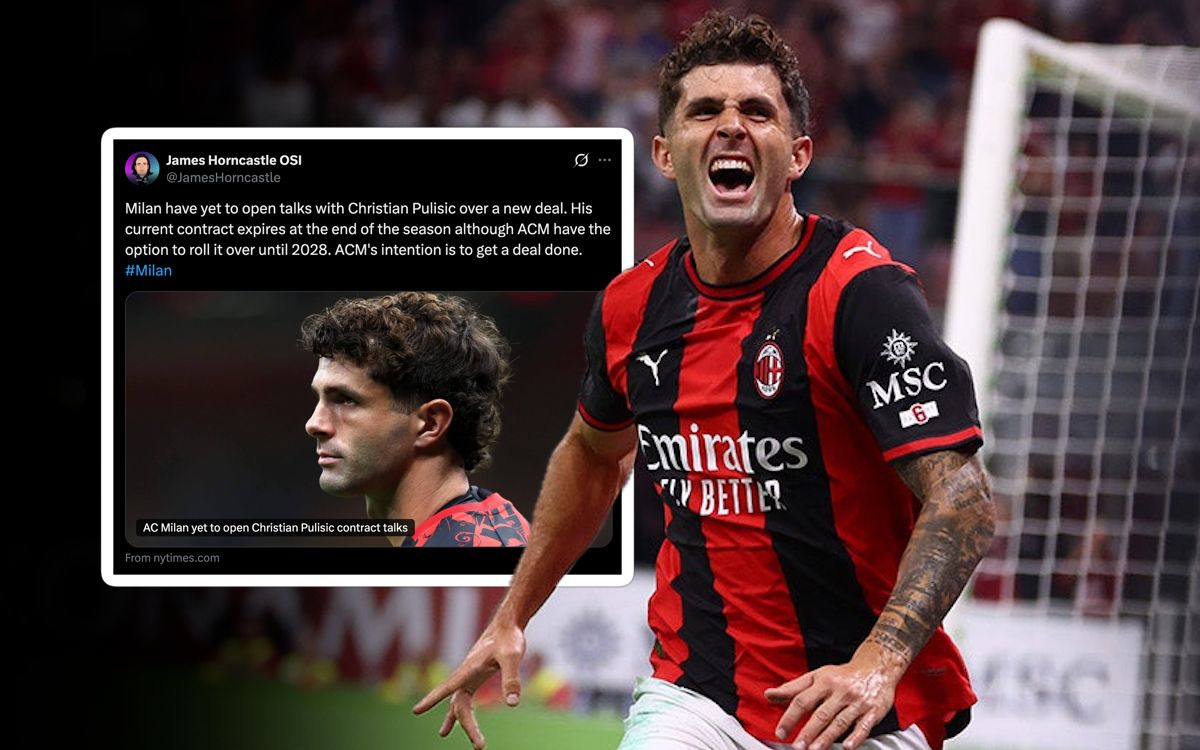
Deploying Pulisic as a central striker was the afternoon's primary tactical wrinkle. Backed by Hutchinson in the central attacking pocket, Pulisic repeatedly dropped into half-spaces to drag Padova's central defenders out of shape. The movement created immediate scoring opportunities.
Padova goalkeeper Sorrentino kept the visitors level through the opening half-hour. He produced three reaction saves to deny Pulisic, Hutchinson, and Idrissi in rapid succession. Milan dominated first-half territory, recording a 68% share of second-phase possession.
Amorim made just two changes at the interval, replacing Idrissi and Hutchinson with Lorenzo Ossola and Nirash Perera. The breakthrough arrived in the 70th minute when Loftus-Cheek carved open Padova's mid-block with a weighted diagonal assist, allowing Ossola to score with a clean finish.
The performance was far from flawless. With victory in sight, Milan surrendered wide crossing control in the closing minutes, allowing Padova's Sgarbi to power home an unmonitored header. Silvano Vos arrived off the bench from Milan Futuro late in the half, but could not prevent the late structural collapse.
Conceding an aerial equalizer to Serie B opposition exposes Milan's underlying defensive vulnerability. When secondary lineups undergo late positional shifts, central box protection deteriorates rapidly.
The Standout Trio: Gabbia, Comotto, and Hutchinson
Despite the late defensive lapse, three individual displays stood out to Amorim's coaching staff. According to training ground reports on standout performers against Padova, Matteo Gabbia, Christian Comotto, and Omari Hutchinson made compelling cases for increased first-team involvement.
Gabbia confirmed his ankle injury is entirely behind him. Playing as the central anchor in defense, Gabbia completed 90 structural minutes with clean first-phase distribution. He won four out of five ground duels and organized the backline effectively until late rotational shifts.
Christian Comotto provided the morning's most encouraging midfield display. The youngster displayed exceptional spatial awareness alongside Loftus-Cheek, completing short-range passes at an estimated 92% efficiency rate. His crisp vertical distribution continuously broke Padova's pressing lines.
Omari Hutchinson was the most dynamic attacking force on the pitch during his 45-minute outing. Operating in the space behind Pulisic, Hutchinson logged three key pass entries and generated two shots on target. His vertical acceleration offered a direct contrast to Milan's often static midfield possession sequences.
Hutchinson's performance puts direct pressure on the starting hierarchy. Having managed limited competitive minutes this season, his sharp link-up play with Pulisic demonstrated that he can function as a genuine central creator when spaces open up.
The Loftus-Cheek Enigma and the Road to Sassuolo
Ruben Loftus-Cheek remains Amorim's most complex tactical project. His assist for Ossola showed his vision when facing forward in space. Yet his broader 90-minute profile was defined by puzzling stretches of off-ball passivity.
Loftus-Cheek frequently drifted out of central pressing zones during second-half transitions. He won just two of seven aerial duels against Serie B opposition and failed to track Sgarbi's late run into the box before the equalizing goal. Amorim has worked to instil confidence in the English midfielder, but consistent execution remains elusive.
The statistical split highlights the issue. When Loftus-Cheek operates with momentum, his progressive driving metrics rank among the team's best. When matches slow down into positional battles, his defensive output drops significantly.
Milan's technical staff granted the squad two days of rest over the weekend. Training resumes at Carnago on Monday morning to initiate formal preparations for the October 11 match against Sassuolo. Amorim will welcome back his 15 international representatives throughout the week.
The Padova test provided no trophies, but it gave Amorim empirical proof of his squad's true depth boundaries. With Saelemaekers sidelined for 10 days and fixture congestion looming, Amorim's willingness to re-engineer squad outcasts will determine whether Milan can maintain their pace at the top of Serie A.
Read Next
- Why Ruben Amorim is misusing Goncalo Ramos at AC Milan
- John McGinn is running out of time to fix Scotland's midfield
- Chiesa ready for Liverpool exit as Serie A trio prepare January moves
- Jurgen Klopp called out AfD idiocy, but Germany's pitch problems are real
- 🇺🇸 USMNT World Cup 2026 — Team USA Coverage Hub