The Medical Room is Spain's Real Battleground
Spain is marching forward in the World Cup, but the medical department is working overtime. The national team secured its place in the Round of 16 with a comfortable victory. Yet, the real story is unfolding on the training tables in California.
Wingers Nico Williams and Yeremy Pino are fighting to return from injuries sustained in the group stage. Their absence was felt despite the scoreline. Spain's high-speed attack has suddenly lost its primary engines.
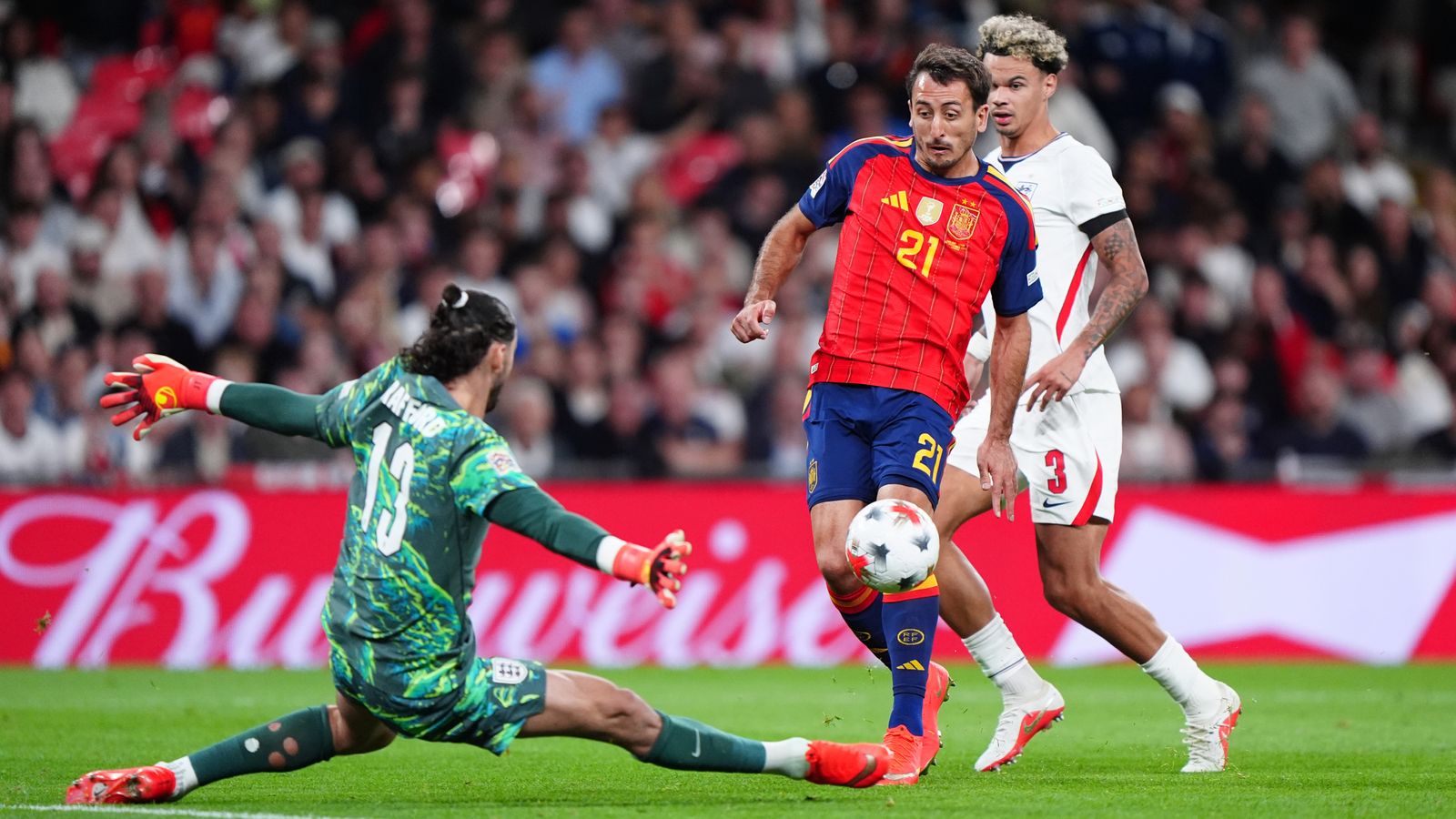
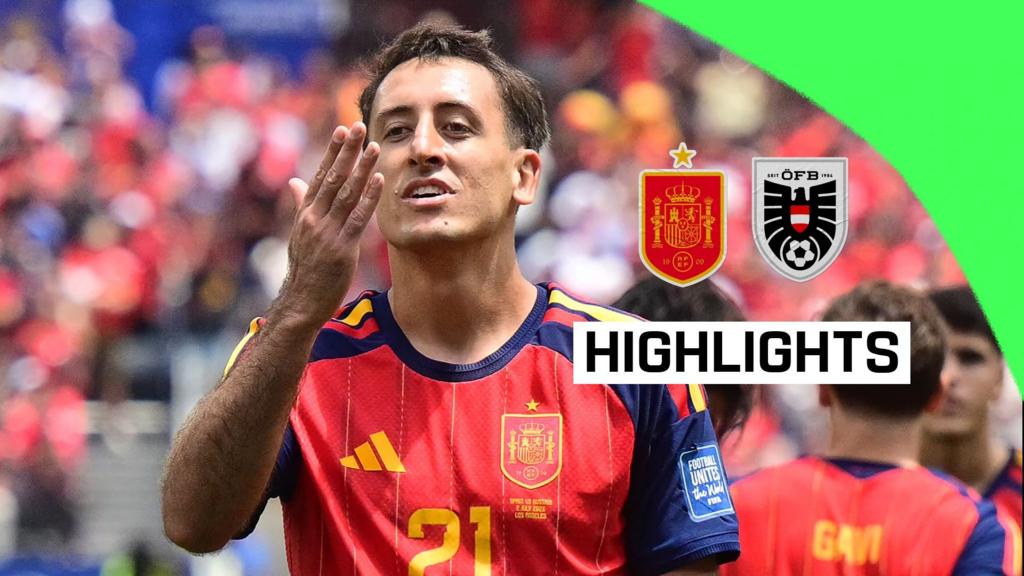
Both wingers missed the knockout fixture at SoFi Stadium in Los Angeles. As the BBC reported, Spain cruised to a 3-0 victory over Austria. Mikel Oyarzabal scored in each half to seal the win.
The team must now adapt to a different pace of play. The Spanish Football Federation (RFEF) released medical updates following detailed assessments. Williams is nursing a right adductor strain while Pino recovers from a shoulder sprain.
The recovery times for these issues are vastly different. Spain's coaching staff is monitoring their progress daily. The medical reports have direct implications for Spain's tactical identity.
Inside the Medical Report: Williams and the Adductor Risk
Williams went down late against Uruguay on June 27, 2026. He suffered a right adductor muscle injury following a heavy challenge from Uruguay’s Nicolás de la Cruz. Initial fears pointed to a significant muscle tear that would end his tournament.
Subsequent MRI scans brought some relief. Medical staff confirmed there was no tear. The diagnosis is a moderate-grade adductor strain.
This keeps him out of contact training for now. He is undergoing targeted physical therapy to reduce swelling and pain. Williams remains with the squad, hoping to return for the later knockout rounds.
But adductor injuries are notoriously tricky. They often feel fine during straight-line running. The real test comes with lateral movement and sudden cuts.
Rushing a player back too early can cause a complete tear. Spain must weigh the risk of losing him for months against the immediate need for his speed. The medical team is urging extreme caution.
The Shoulder Issue: Pino's Rapid Recovery
Pino's injury occurred in the same match against Uruguay. The Villarreal winger suffered a heavy fall after a duel. He landed directly on his shoulder, sparking fears of a collarbone fracture.
He was immediately substituted and sent for emergency scans. Fortunately, X-rays ruled out any broken bones. The medical team diagnosed him with an acromioclavicular sprain.
This injury is painful but manageable. The joint remains stable, which is the most important factor. Pino has responded remarkably well to treatment and has already returned to light training.
In fact, Pino was named on the bench for the match against Austria. He did not play, but his presence indicates a swift recovery. The winger is expected to be fully available for selection soon.
Historical Precedent and Tournament Pressures
Tournament football has a long history of players rushing back from muscle injuries. The results are rarely positive. Spain cannot afford a repeat of previous tournament disasters.
In 2014, Diego Costa rushed back from a hamstring injury to play in the Champions League final. He lasted only nine minutes before having to be substituted. That mistake cost his team a vital substitution.
If Williams is rushed back and re-injures the adductor, his tournament is over. A full tear would require surgery and months of rehabilitation. This would impact not only Spain but also his club, Athletic Bilbao.
Pino's shoulder injury is easier to manage. Players frequently play through acromioclavicular sprains using protective padding and pain-killing injections. Jude Bellingham played through a similar shoulder issue during the club season using a custom brace.
Strategic Fallout and De la Fuente's Tactics
Luis de la Fuente is facing tough questions from the Spanish press. Spain had already secured progression before the Uruguay game. Yet, the manager chose to play key starters in a physical, high-intensity match.
The decision to risk Williams and Pino has backfired. Spain is now short on natural wingers at the most critical stage. The manager was forced to alter his tactical approach against Austria.
He brought in Pedro Porro and Dani Olmo to reshape the team. Spain controlled the game, but the dynamic was different. The attack lacked the verticality and directness that Williams provides on the left flank.
Instead, Spain played a narrower, possession-oriented game. Oyarzabal functioned as a false nine, dropping deep to link play. He opened the scoring in the first half and added another in the 89th minute.
While this approach worked against Austria, it may not work against stronger opponents. Spain's next match is scheduled for July 6, 2026 at Dallas Stadium. They will face the winner of Portugal vs. Croatia.
Both potential opponents possess disciplined defenses that can exploit a narrow attack. Spain needs width to stretch the opposition and create space in the center. Without Williams, the offense looks predictable.
The Broader World Cup Toll
The physical demands of this World Cup are unprecedented. The new 48-team format has added an extra knockout round. The season has been long, and players are showing signs of exhaustion.
Spain is not the only team suffering from fitness issues. Several top contenders are managing key players' minutes. The tournament schedule leaves very little time for recovery.
Here is how Spain's injury timeline looks for the next week. Every day counts as the medical team works to get both players fit.
- June 27: Williams and Pino injured against Uruguay
- June 28-30: Scans confirm adductor strain for Williams and shoulder sprain for Pino
- July 2: Both players miss starting lineup against Austria
- July 3-5: Pino returns to full training; Williams continues individual rehab
- July 6: Round of 16 match in Dallas
Spain's medical staff faces a race against time. Pino is on track to play a role in the next match. Williams will likely face a late fitness test before kick-off.
Read Next