SoFi Stadium was built for Hollywood drama, but the scriptwriters in Los Angeles went a bit too far this time. The Round of 32 match between Spain and Austria was supposed to be a showcase of European tactical mastery. Instead, we got a chaotic mess of flying limbs, screaming players, and a refereeing decision that will be debated in Madrid tapas bars for the next decade.
Spain are officially out of their minds with anger, and they have every right to be after Cucurella had a goal ruled out during the intense Round of 32 clash. They thought they had the breakthrough when the ball rattled the back of the net. But the referee had other ideas, blowing his whistle to call a foul that nobody else in the stadium saw.
Let's set the stage for the madness. The game was deadlocked, tension rising, and Spain were desperately trying to avoid a penalty shootout lottery. Every single pass felt like a ticking time bomb.
The Play That Set Spain on Fire
The incident itself was a classic piece of chaotic tournament football. A looping cross was sent into the Austrian penalty area, looking harmless enough. It was the kind of cross that usually ends with a goalkeeper calmly catching the ball and telling everyone to calm down.
Instead, Alexander Schlager came charging off his goal line like a drunk guy trying to catch a greased pig at a county fair. He jumped into a crowd of players, completely misjudged the flight of the ball, and dropped it like a hot potato.
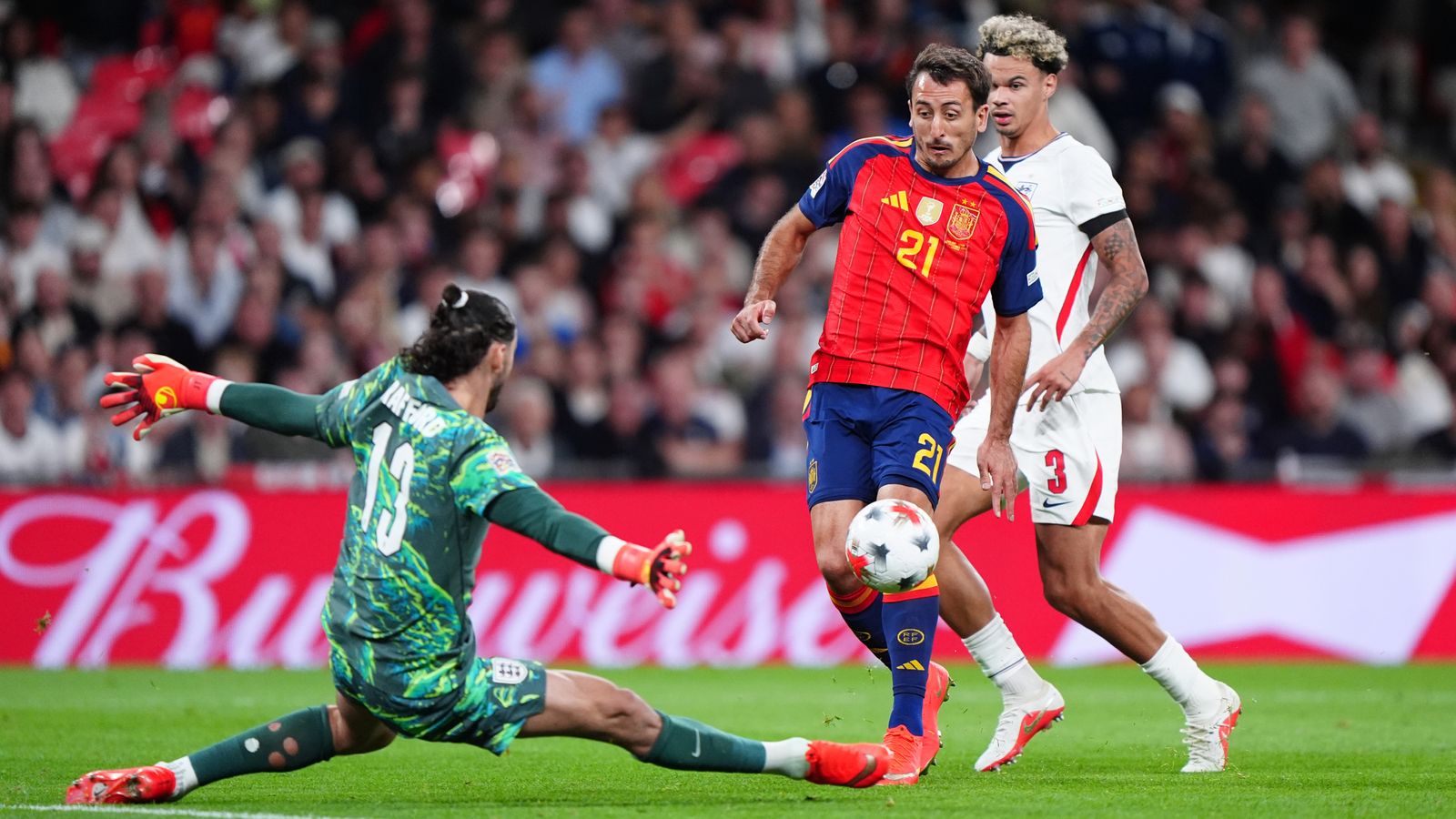
Marc Cucurella was right there to pounce on the mistake. The Spanish defender, easily recognizable by his wild mop of hair, reacted first. He poked the ball into the empty net before running off to celebrate.
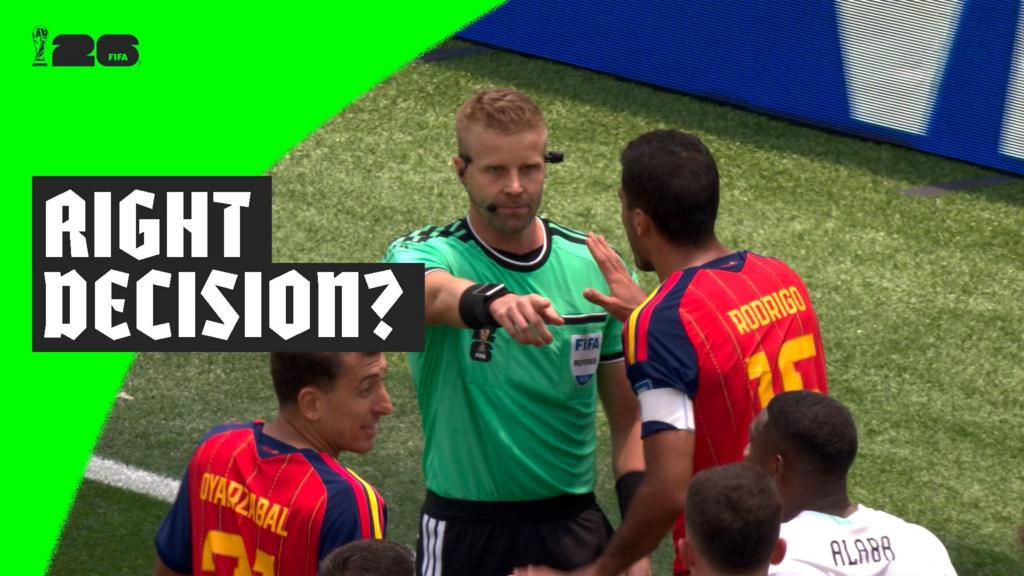
But the whistle blew almost immediately. The referee ruled that Cucurella had fouled Schlager during the aerial challenge. The decision was met with immediate, deafening boos from the Spanish fans in LA.
If you look at the replay, the contact was softer than a feather pillow. Cucurella barely brushed the goalkeeper's shoulder as they both went up for the ball. It was a standard physical challenge, not an assault.
Yet, Schlager went down like he'd just taken a prime Mike Tyson left hook. He rolled around on the turf, holding his head and looking up to see if the referee was buying the performance. He bought it hook, line, and sinker.
The Protected Species of Modern Football
We need to talk about how goalkeepers have become the most protected species on the planet. If you look at a goalie the wrong way in the six-yard box, the referee awards a free kick. It has become a joke.
Goalkeepers are the bubble-wrap babies of modern sports. You cannot touch them, you cannot breathe near them, you cannot even look at them without a ref blowing a whistle like a gym teacher on a power trip.
Cucurella had every right to go for that ball. He did not lead with his elbow, and he did not push the keeper. He simply wanted it more.
Schlager made a massive mistake and got saved by a soft refereeing decision. It was a massive slice of luck for Austria. For Spain, it was a moment of pure injustice.
The Spanish bench erupted in anger, with coaching staff shouting at the fourth official. The players on the pitch surrounded the referee, gesturing wildly at the big screen. The video assistant referee checked the play but decided not to intervene, leaving the on-field decision standing.
Spain's Own Tactical Blind Spots
While the refereeing decision was bad, Spain cannot escape some harsh truths about their own play. They dominated the ball but did very little with it. Their passing was slow, predictable, and lacked any real bite.
This is the eternal problem with Spanish football. They want to pass the opponent to death, but they forget that you actually have to shoot to score. They had a massive 72% possession during the match but spent most of it passing sideways in their own half.
Luis de la Fuente has talked about making this team more vertical and direct. So far in this tournament, we have not seen much of that. They look like a tribute band playing Spain's greatest hits from 2012, but without the legendary players to pull it off.
They missed the injured Rodri in the midfield, lacking his ability to dictate the tempo and break lines. Without him, the passing looked ponderous. It was easy for Austria to shift their defensive block and cover the spaces.
They also lacked a true, elite focal point up front. Alvaro Morata worked hard, but he spent more time drifting into wide areas than occupying the central defenders. When Spain did cross the ball, there was nobody in the box to convert.
This left-back crossing to a five-foot-eight defender is not a viable strategy. Spain's attack needs a major rewrite if they want to progress. Complaining about the referee will not hide their tactical limitations.
The Rangnick Masterclass in Annoyance
We have to give Ralf Rangnick and his Austria team credit. They played the villain role to absolute perfection. They knew they could not match Spain's technical ability, so they did not even try.
Instead, they turned the match into a grueling physical battle. They pressed high, fouled tactically, and disrupted Spain's rhythm at every opportunity. It was ugly, but it was highly effective.
Austria's players ran themselves into the ground, covering every blade of grass. They made sure Spain never had a comfortable moment on the ball. Every time a Spanish player turned, there was an Austrian midfielder ready to tackle him.
Schlager might have been lucky with the disallowed goal, but he made several good saves. He was alert, vocal, and organized his defense well under intense pressure. He did what he had to do to keep his team in the game.
This Austrian team is built in Rangnick's image. They are hard-working, disciplined, and incredibly stubborn. They do not care about style points; they only care about the result.
The Drama of the New World Cup Format
This incident highlights the sheer drama of the expanded World Cup format. The introduction of the Round of 32 has made the knockout stage even more unpredictable. One bad refereeing decision can destroy four years of preparation.
The pressure on the match officials is immense. Every decision is analyzed by millions of fans on social media. The margin between success and failure is razor-thin.
As the BBC reported on the game, Spain's frustration was boiling over. The players felt they were playing against both the opponent and the officials. This kind of siege mentality can either unite a team or break them.
The Los Angeles crowd loved every minute of the tension. The stadium was packed with fans who wanted to see goals and drama. They got plenty of the latter, even if the former was ruled out.
The atmosphere was electric, with both sets of fans making an incredible noise. It was a true World Cup spectacle, showcasing the passion of the tournament.
Spain's Path Forward in the Tournament
Spain must regroup quickly if they want to survive. The tournament waits for no one, and the knockout rounds are unforgiving. They cannot afford to dwell on the disallowed goal.
De la Fuente needs to make some tough decisions regarding his starting lineup. Some of the veteran players looked tired and out of ideas. It might be time to trust the younger players on the bench.
They need more speed on the wings to stretch opposing defenses. Players like Nico Williams and Lamine Yamal must be given more freedom to run at defenders. They are the ones who can create the magic Spain desperately needs.
They also need to be more clinical in front of goal. When chances do arrive, they must take them. In knockout football, you might only get one clear opportunity.
Cucurella, who was signed for a massive fee of £62 million by Chelsea in the past, will continue to be a key figure for this team. His energy and work rate are infectious, even if his defensive positioning is sometimes questionable. He is a player who gives everything for the shirt, and Spain need that passion right now.
But passion alone is not enough. Spain need tactical discipline, sharp finishing, and a bit of luck. They got none of those in Los Angeles, and they paid the price.
The road ahead is long and difficult. The fans back home are demanding a reaction, and the media will be ruthless. Spain have the talent, but they must show the character to match.
This team has the potential to win the whole thing, but they are their own worst enemy. If they do not fix their attacking issues, they will be packing their bags very soon.
The referee's whistle in the 78th minute will be remembered as the turning point of this match. But Spain's inability to create clear chances was the real story. They must learn from this and move on before it is too late.
The World Cup is the ultimate test of character. Spain have been tested, and they did not handle the pressure well. Now we will see if they can bounce back or if they will collapse under the weight of their own expectations.
Let's also look at the Austrian side. They have shown that they are not just here to make up the numbers. Under Rangnick, they have developed a style that is physically punishing and tactically disciplined.
They did not give Spain any room to breathe in the center of the pitch. Every time Pedri or Fabian Ruiz tried to turn, they were met by a wall of red shirts. It was a masterclass in defensive coordination.
The Spanish coaching staff will be dissecting this match for days. They will point to the disallowed goal, and they will be right to do so. But they also need to look at why they could not break down a stubborn Austrian defense.
If Spain wants to reach the final, they have to overcome these kinds of challenges. Referees will make mistakes, and opponents will park the bus. The great teams find a way to win anyway.
For now, the debate will rage on in the bars and on the internet. Was it a foul, or was it a robbery? Spain will feel it was the latter, but the history books will only show the final score.
Read Next
- Spain and Austria face a brutal war of attrition in Los Angeles
- Spain has a major fitness crisis ahead of the Austria clash
- Top 10: Top Moments
- Europe is finally paying premium prices for Scottish Premiership talent
- 🏆 World Cup 2026 — Full Coverage Hub
- 🇪🇸 Spain World Cup 2026 — La Roja Hub
- 🇦🇹 Austria World Cup 2026 — Das Team Hub