Tactical discipline reigns in Wrexham
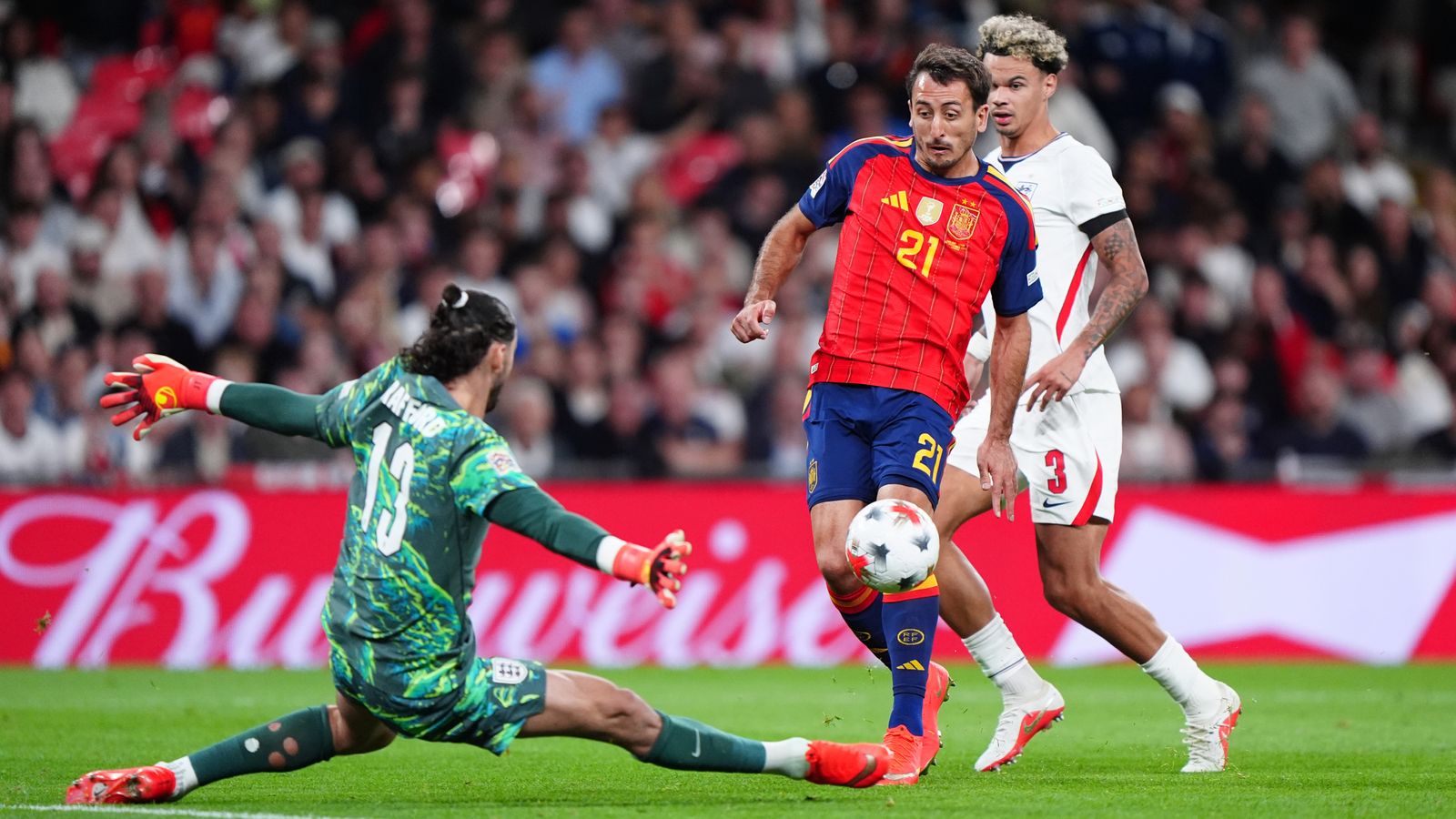
Spain winning the Uefa Men's Under-19 Championship at the Racecourse Ground last week felt less like a surprise and more like a scheduled appointment. A 2-0 victory over Germany marked their tenth title, cementing a pipeline that shows zero signs of drying up. While other nations oscillate between physical reliance and tactical fads, the Spanish youth setup continues to prioritize high-possession geometry that feels virtually impossible to disrupt at this age level.
Watching the final, the disparity in technical security was glaring. Germany attempted to force transitions, but Spain’s ability to manipulate press triggers allowed them to keep the ball in low-risk zones despite the intensity. As reported by the BBC, the result in Wrexham was professional, clinical, and underscored by a massive gap in individual ball retention.
The infrastructure feedback loop
We need to stop looking at these wins as isolated events and recognize the underlying efficiency. Spain isn't just producing talent; they are training units that function as cohesive blocks from the moment they enter the international circuit. This is the ultimate output of a federated identity that refuses to deviate from the style established in their primary domestic academies.
However, the critique here is legitimate. Development success at the U19 level frequently hits a wall during the transition to senior squads. Many of these players will spend the next three years stuck behind established veterans or sent out on loan to clubs that play entirely different systems. A title is worthless if the bridge to the national team isn’t traversable.
Predicting the impact on the senior tier
My call? This specific cohort will displace at least three current senior national team fringe players before the 2028 cycle hits full stride. While it takes time to integrate, the tactical IQ displayed in Wrexham suggests they won't require the typical two-year acclimatization period most youngsters face.
Germany, conversely, has a deeper structural problem. They have the raw athletic profiles, but their decision-making in the final third remains frantic compared to their Spanish counterparts. If they don't pivot their development toward the kind of composure shown by the winners this week, they will continue to finish as runners-up in technical matchups for the foreseeable future. The gap isn't just talent; it's the maturity of the thought process behind every touch.