Pulisic calf concerns mount as USMNT prepares for Belgium clash
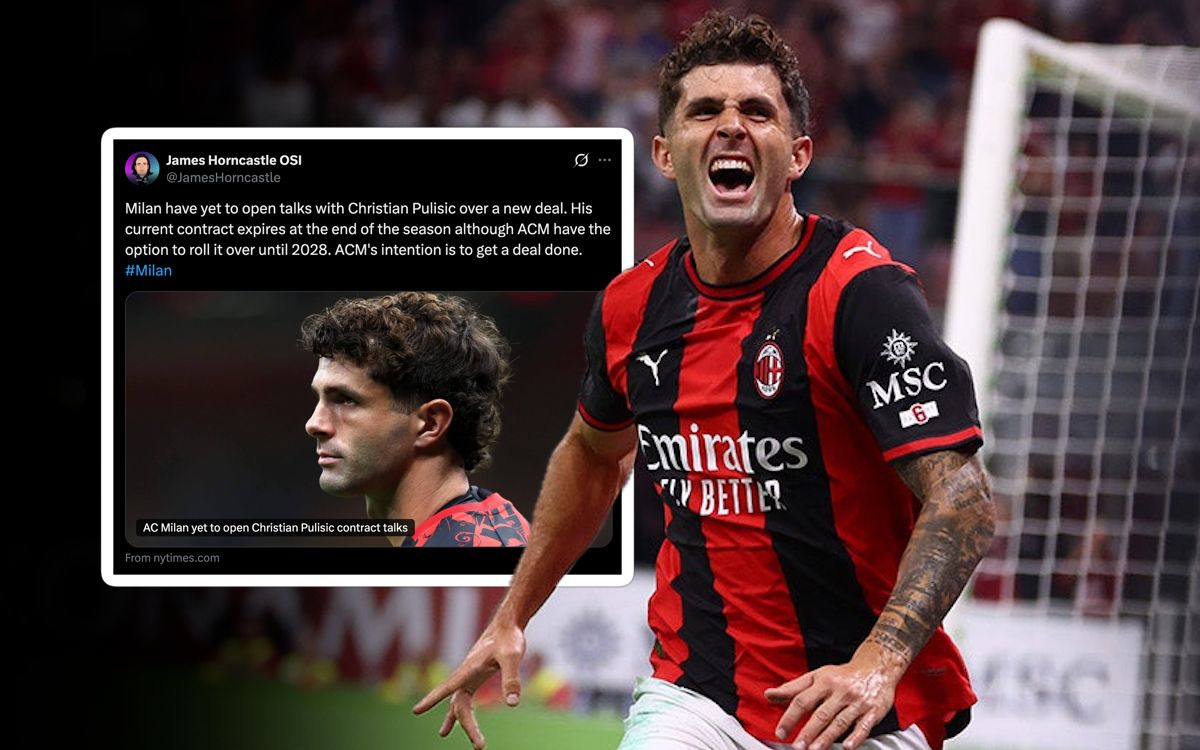
Christian Pulisic is facing a race against time to be fully fit for the World Cup round-of-16. The USMNT captain survived a grueling shift in Santa Clara but left the pitch exhausted. Mauricio Pochettino now has to manage a delicate muscle recovery process under intense pressure.
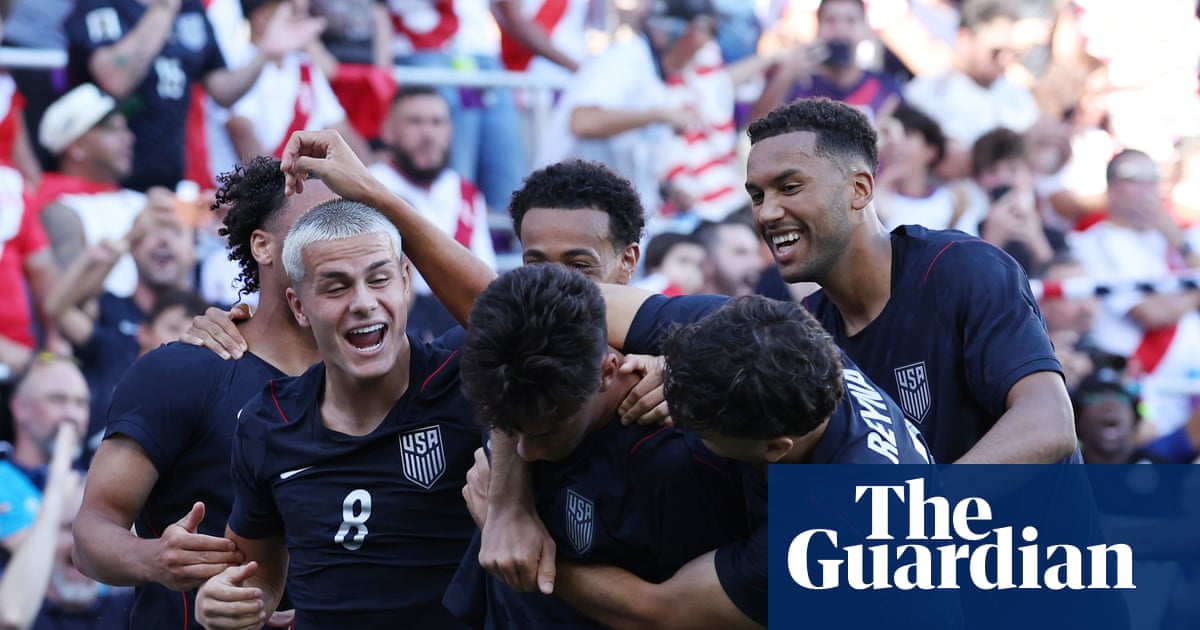
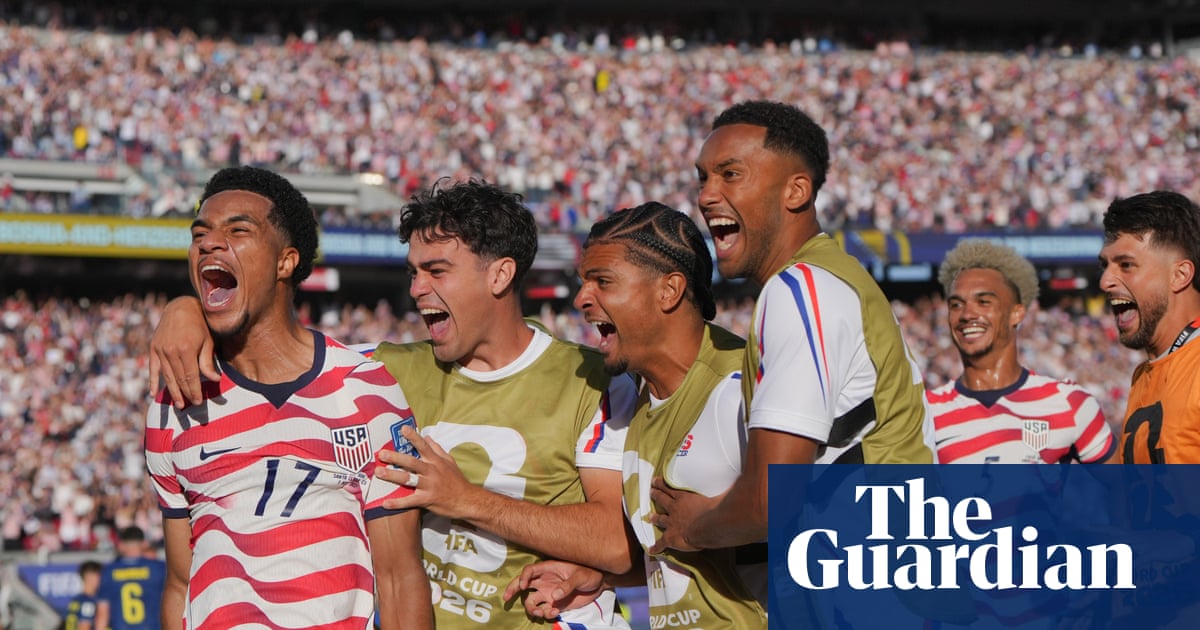
The United States secured their place in the knockout stage with a 2-0 victory over Bosnia and Herzegovina on July 1. While the headline was the team's grit, the underlying story is Pulisic's left calf. The winger has been carrying this injury since training camp, and it was aggravated during the tournament opener against Paraguay.
Having missed the second group stage match against Australia, his minutes are being managed carefully. He played 33 minutes against Türkiye to build fitness, but the knockout round demanded much more.
A controversial red card to striker Folarin Balogun in the 64th minute changed everything. Balogun was sent off after landing his studs on Tarik Muharemovic's ankle. This forced the U.S. to play with ten men for over half an hour.
Instead of a controlled workload, Pulisic was forced to cover extra ground. He sprinted, pressed, and defended until his substitution in the 87th minute. The workload was far greater than the medical team had planned.
Dzeko's final bow cut short by injury
Bosnia and Herzegovina saw their World Cup run end, and with it, the international career of Edin Dzeko. The 40-year-old forward made history as the oldest outfield player to start a World Cup knockout match.
He did so while managing a prior shoulder injury sustained during the playoffs. But his night ended in the 51st minute when he pulled up with a leg injury.
Dzeko felt a sharp pain in his thigh and immediately signaled to the bench. He was replaced by Ermin Mahmic as Bosnia chased the game. The veteran striker had struggled to impact the match before the injury.
His movement was restricted, and the physical demands of tournament play finally caught up with his aging muscles. Bosnia's medical staff confirmed it was a muscular strain, ending any hope of a late comeback.
This injury marks the end of an era for Bosnian football. Dzeko has been the focal point of the national team for nearly two decades. At 40 years and 106 days old, his body finally gave out under the weight of back-to-back matches.
He will return to Fenerbahce to evaluate his club career, but his days in the national jersey are over. The transition to younger forwards like Ermin Mahmic must now happen immediately.
Historical precedents and Pulisic's medical record
Pulisic's battle with muscle injuries is well-documented. During his time at Chelsea and now at AC Milan, the winger has struggled with hamstring and calf strains. These soft-tissue issues often stem from his explosive acceleration and sudden changes of direction.
When fatigue sets in, the risk of tearing these fibers increases exponentially. We have seen this play out before in major tournaments.
During the 2022 World Cup in Qatar, Pulisic suffered a pelvic contusion while scoring the winner against Iran. The medical staff worked around the clock to get him ready for the Round of 16 clash against the Netherlands. While he started that game, his movement was visibly limited, and the U.S. was eliminated in a 3-1 defeat.
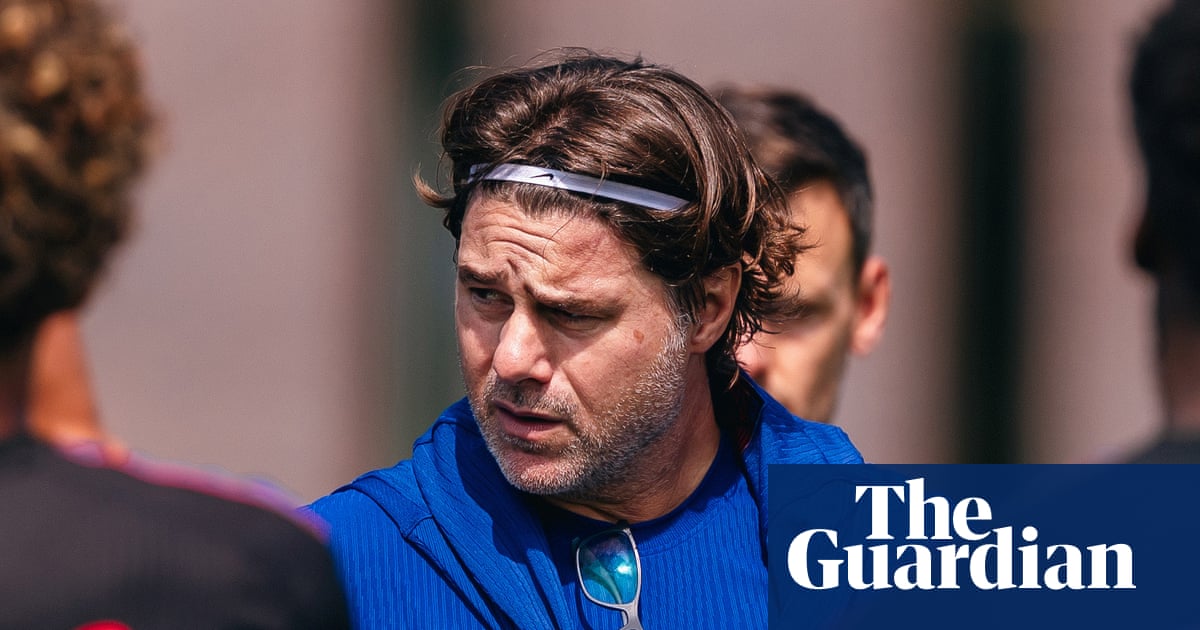
Pochettino cannot afford a repeat of that physical drop-off against a much stronger Belgian side. Managing soft-tissue recovery in a tournament setting is a balancing act.
In a typical club season, a calf strain of this nature would warrant a two-week rest period. In the World Cup knockout stage, players are asked to return to high-intensity action in a matter of days. The physiological reality is that muscle fibers require time to repair, and rushing a player back often leads to a more severe tear that could sideline them for months.
Strategic implications for Pochettino and the USMNT
Pochettino has a massive tactical puzzle to solve before the round-of-16 match against Belgium on July 6 in Seattle. Balogun's red card means he is suspended. The U.S. striker cannot be replaced, and his suspension cannot be appealed.
This leaves a massive void in the attacking line that must be filled by Ricardo Pepi or Haji Wright. Neither player offers the same pressing intensity or movement as Balogun.
The suspension puts even more pressure on Pulisic to perform. But Pulisic's calf is a ticking time bomb. Calf strains are notoriously difficult to manage because they are prone to recurrence.
If Pulisic starts against Belgium and suffers a tear, his tournament is over. Yet, without him, the U.S. attack lacks the creativity needed to break down a disciplined Belgian defense.
The U.S. medical staff has exactly four days to get Pulisic ready. They will use cryotherapy, targeted massage, and light recovery sessions. The goal is to reduce the fatigue accumulated during the ten-man struggle in Santa Clara.
Pochettino's decision to keep Pulisic on the pitch until late in the second half was highly questionable. With the U.S. defending a lead, risking a prized asset was a gamble that could cost them in the next round.
The broader impact on clubs and competitors
The fallout from these physical tolls extends beyond the national teams. AC Milan will be watching Pulisic's fitness with extreme anxiety. The Italian giants have a long season ahead and cannot afford their star winger returning with a chronic calf issue.
The club's medical team is reportedly in constant contact with the USMNT staff to monitor his daily metrics. Belgium will certainly look to exploit this vulnerability. Belgian defenders will target Pulisic's left side, testing his lateral movement and acceleration.
If Pulisic is hesitant or shielding his calf, his effectiveness will be halved. The Belgian coaching staff will also prepare for a U.S. team that lacks Balogun's vertical threat, allowing them to play a higher defensive line.
For Bosnia, the post-Dzeko rebuilding process begins now. The national team must restructure its entire offensive game plan without their legendary captain. The domestic league and youth systems will face pressure to produce a successor, a task that has been neglected for years.
Dzeko's departure exposes a lack of depth in Bosnian football that will take years to address. The physical demands of this World Cup are pushing players to their limits.
With matches scheduled close together, the risk of soft-tissue injuries rises. The USMNT must navigate these demands if they want to advance. The medical reports over the next 48 hours will determine the team's tactical approach in Seattle.
As reported by The Guardian, the U.S. showed immense character in Santa Clara. But character does not heal muscle fibers.
The medical staff's work behind the scenes will be just as important as Pochettino's tactics on the training pitch. The next four days will decide the fate of the host nation's campaign.
Read Next
- Christian Pulisic is back in the USA lineup but the medical risks remain
- Folarin Balogun's brain fade leaves USMNT short and Sassuolo scrambling
- Folarin Balogun just handed Mauricio Pochettino a massive World Cup nightmare
- Pochettino's asymmetric system is already suffocating Bosnia
- 🏆 World Cup 2026 — Full Coverage Hub
- 🇺🇸 USMNT World Cup 2026 — Team USA Coverage Hub
- 🇧🇦 Bosnia & Herzegovina at the 2026 World Cup — Full Coverage Hub