Clean bill of health triggers immediate transfer scramble
Boubacar Kamara is back on the pitch. The 26-year-old French international has officially completed his rehabilitation and returned from injury, providing Aston Villa with an enormous boost ahead of the winter schedule.
He did not get much time to celebrate his clean bill of health in peace. The news of his return sent an instant shockwave through scouting departments across Europe.
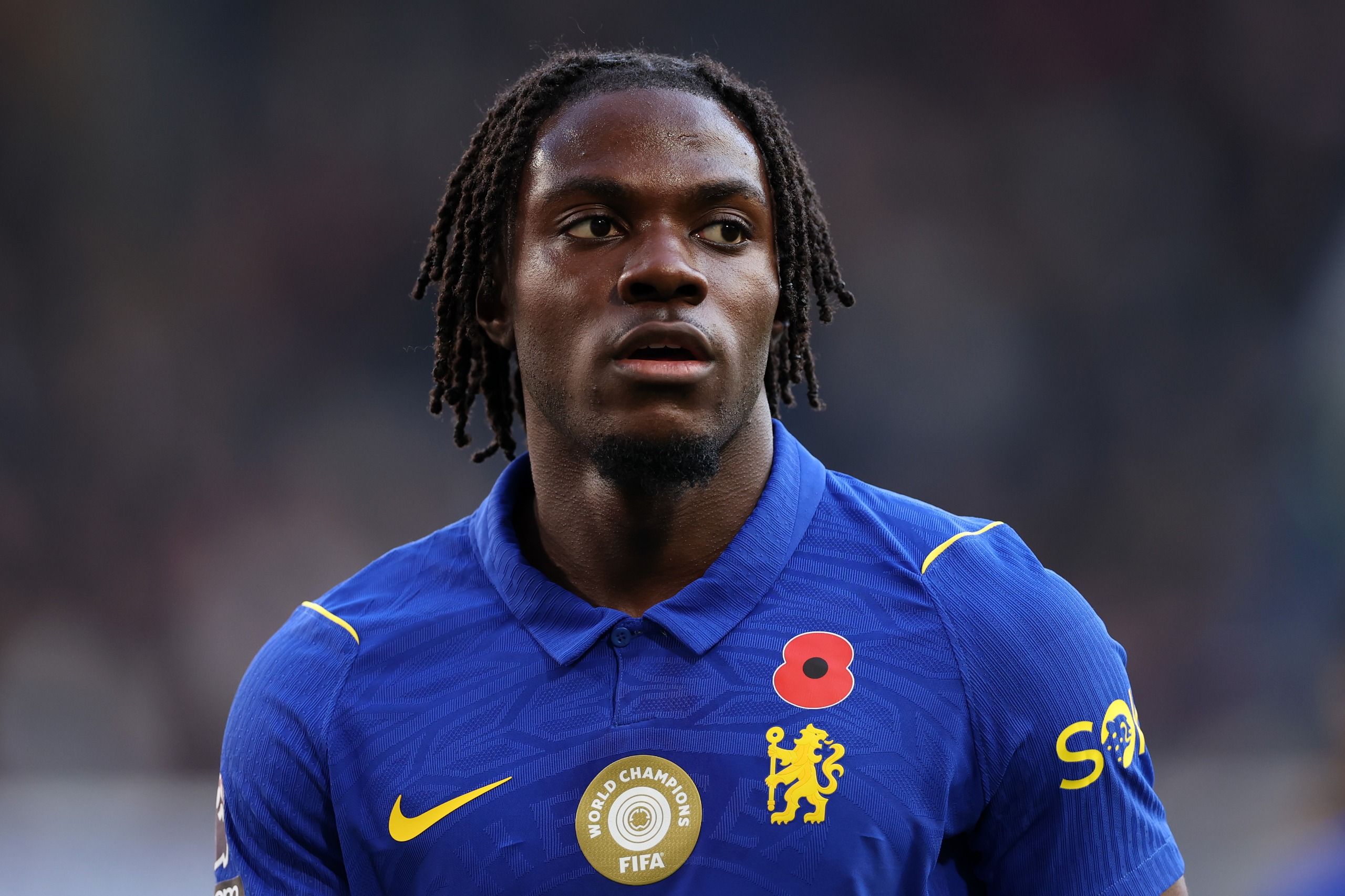
According to German outlet Fussball News via BBC Sport, Chelsea, Inter Milan, and Saudi Pro League powerhouse Al-Hilal have all placed the midfielder onto their summer watchlists. The interest materialized immediately following his recovery.
That is how fast modern elite recruitment operates. The moment a proven defensive anchor clears medical protocols, suitors start updating their dossiers and preparing summer moves.
For Villa, Kamara is not simply another starting option. He is the tactical compass that makes Emery's system function properly against high-pressing opposition.
Kamara's return completely transforms Aston Villa's defensive structure. Without him screening the backline, Unai Emery's side repeatedly looked vulnerable in defensive transition and struggled to break opposition counter-attacks.
His presence restores balance to Emery's tactical setup. Yet while his return solves an urgent on-pitch headache, it opens up a far more dangerous battle in the boardroom.
Villa's front office now faces immediate pressure. Top European clubs rarely wait until June to test the waters, especially when an elite talent re-emerges with fresh legs and clear medical clearance.
The physical reality of midfield load management
Returning from an extended injury layoff at 26 requires calculated restraint. The jump from isolated conditioning drills to full-blooded Premier League match tempo is notoriously unforgiving.
Midfield destroyers absorb enormous physical punishment. They must sprint to shut down passing lanes, absorb heavy collisions, and plant their studs for rapid lateral deceleration cycles that place heavy torque on joints and soft tissue.
Villa's medical department faces a delicate assignment over the coming weeks. If Emery rushes Kamara into successive 90-minute outings, the risk of secondary muscular strains spikes dramatically.
Modern sports science relies on strict minute ceilings. Kamara will need gradual exposure, starting with 30-minute cameos before testing his stamina over an hour of high-tempo action.
Aerobic fitness returns relatively quickly in professional athletes, but neuromuscular sharpness takes weeks to recalibrate. In elite midfield battles, a split-second delay in reaction time turns a clean tackle into a yellow card or a dangerous foul.
Fatigue is the enemy of structural integrity. When a player returns from a layoff, the final twenty minutes of a match represent the danger zone where mechanics deteriorate.
Scouts from interested clubs know these physiological stages inside out. As noted in BBC Sport's transfer roundup, potential buyers are monitoring his functional movement just as closely as his match statistics.
They want to see whether Kamara accelerates with his normal burst or whether he hesitates when contesting 50-50 balls. If his mechanics look fluid and symmetrical, that summer interest will turn into concrete offers.
Why Villa risk losing control of the situation
Villa's hierarchy walked into a trap of their own making here. Leaving Kamara's contractual perimeter unresolved during his time in the treatment room looks like a glaring management mistake.
When a player is sidelined, the club retains significant bargaining power in extension talks. Now that Kamara is fit, healthy, and targeted by three wealthy clubs, the upper hand shifts squarely back to the player and his representatives.
At 26 years of age, Kamara is entering the absolute peak of his professional career. He knows his market value, and he knows that disciplined holding midfielders with international pedigree are extraordinarily scarce.
Emery's entire tactical blueprint relies on a disciplined anchor who can extinguish counters before they reach the centre-backs. Relying on makeshift solutions exposed how thin Villa's midfield depth becomes whenever their primary defensive specialist is missing.
The multi-front transfer threat
Chelsea's involvement should terrify Villa supporters. The Stamford Bridge hierarchy consistently targets established Premier League talent and possesses the financial muscle to outbid Villa on wage packets.
Inter Milan offer an enticing sporting alternative in Italy. Serie A's tactical focus would allow a composed ball-winner like Kamara to dictate tempo without enduring the weekly physical battering of English football.
Al-Hilal represent the ultimate financial disruption. The Saudi side can table tax-free earnings that no European side can touch, creating a massive dilemma for any player weighing sporting legacy against generational wealth.
Villa now face four urgent priorities as they try to keep their squad together:
- Enforcing strict match-minute restrictions to protect Kamara from secondary muscular fatigue.
- Rebuilding Emery's central midfield balance without placing excessive defensive burden on a recovering player.
- Opening urgent contract extension discussions before rival sporting directors make direct contact with his camp.
- Resisting aggressive summer approaches from domestic rivals, European contenders, and Saudi wealth funds.
If Villa hesitate, they could watch their most disciplined midfield asset walk out the door before he even reaches his peak.
Rivals repositioning across a shifting market
Chelsea's interest in Kamara is part of a much wider defensive overhaul. According to the latest gossip reports, Chelsea are also tracking 21-year-old Lens defender Ismaelo Ganiou alongside Brentford, Fulham, Manchester City, Newcastle United, and Tottenham.
The Blues are also tracking AC Milan's 24-year-old Belgian centre-back Koni de Winter alongside Liverpool and Manchester United. Chelsea have also made contact regarding 21-year-old Brazilian forward Vitor Roque, currently valued by Palmeiras at £42m.
The market for defensive reinforcements is heating up across the entire division. Liverpool and 27-year-old Uruguay defender Ronald Araujo are waiting until the summer before deciding whether to turn his loan from Barcelona permanent for £47m.
Manchester United are preparing their own moves. United could make a massive summer offer for Nottingham Forest's 24-year-old Brazilian centre-back Murillo, while also considering another January approach for 25-year-old Manchester City defender Rayan Ait-Nouri.
United's transfer plans unfold amid severe leadership uncertainty. If head coach Michael Carrick is sacked, former Newcastle boss Eddie Howe and ex-Bayern coach Julian Nagelsmann are the leading candidates to take over at Old Trafford.
Even Everton are conducting ambitious business, leading Sunderland and Coventry for 19-year-old Hacken midfielder Abdoulaye Doumbia and pursuing Minnesota United forward Kelvin Yeboah, who has racked up 18 goals in 32 games in MLS.
Every major club is positioning itself for a summer reshuffle. Quality defensive midfielders who can dictate tempo and protect backlines are the rarest commodity on the market.
Kamara's return to fitness arrives in the middle of this high-stakes arms race. Aston Villa have their midfield protector back on the pitch, but the fight to keep him in claret and blue has only just begun.