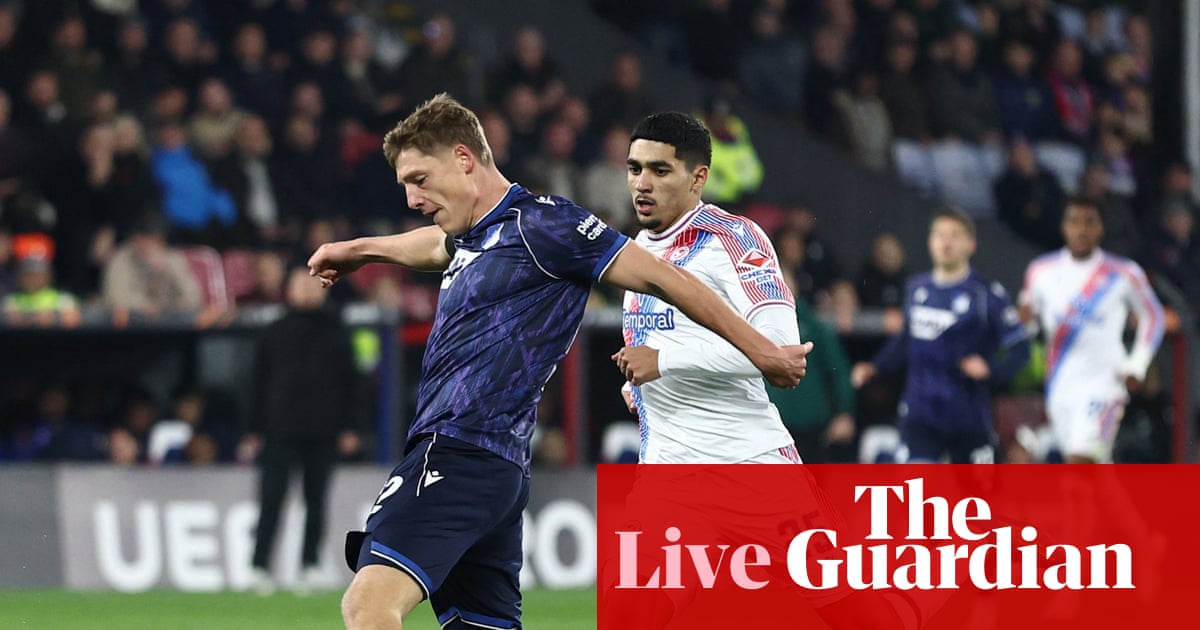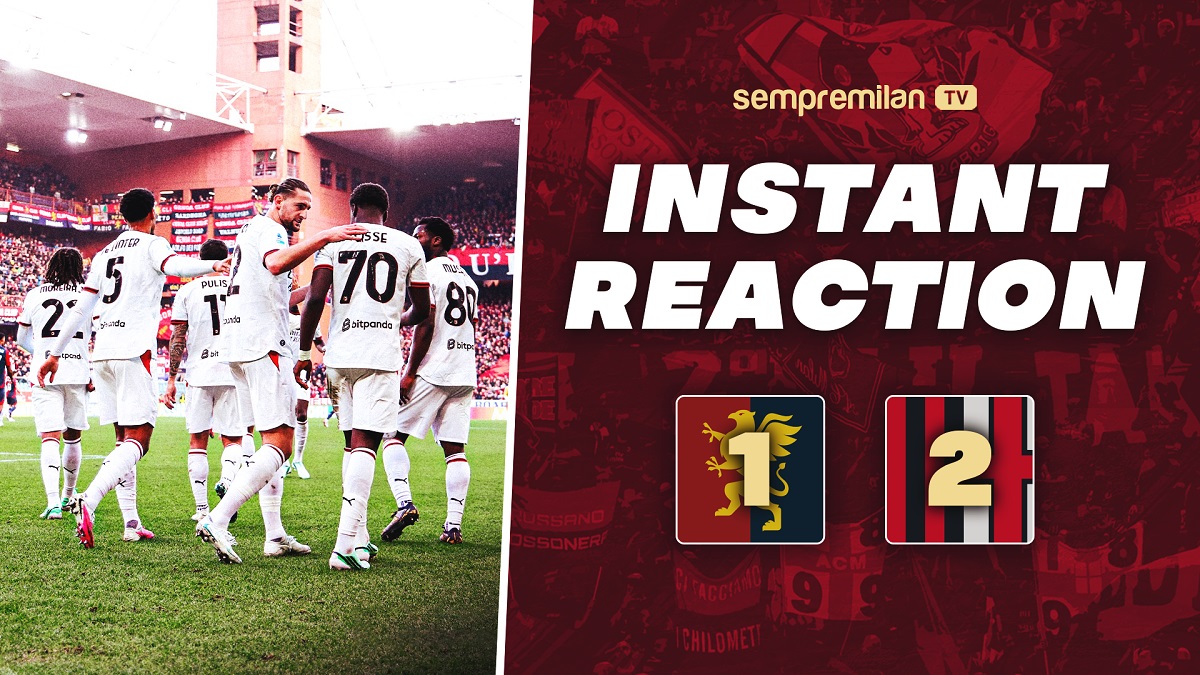
Welcome to the AC Milan emotional rollercoaster, where Thursday night feels like an unmitigated disaster and Sunday afternoon feels like a fever dream. If you checked Twitter after the midweek Europa League horror show against Ferencvaros at San Siro, you would have thought Ruben Amorim was packing his bags by Friday morning. Instead, the Rossoneri walked into the Marassi yesterday afternoon and pulled off a wild 2-1 victory over a red-hot Genoa squad that had won four of their last five matches.
Within twenty minutes, Milan were cruising, looking like title contenders who had solved all their problems over a quick espresso. By the eighty-fifth minute, supporters were clutching their rosaries, screaming at referee Davide Massa, and begging the final whistle to blow. That is the duality of this squad right now.
As Sempre Milan's instant reaction pointed out right after full-time, the result restores order and pushes Milan back into fourth place heading into the international break. Yet the timeline is split straight down the middle between blind optimism and impending dread.
The 20-Minute Blitz and the Modric Fan Club
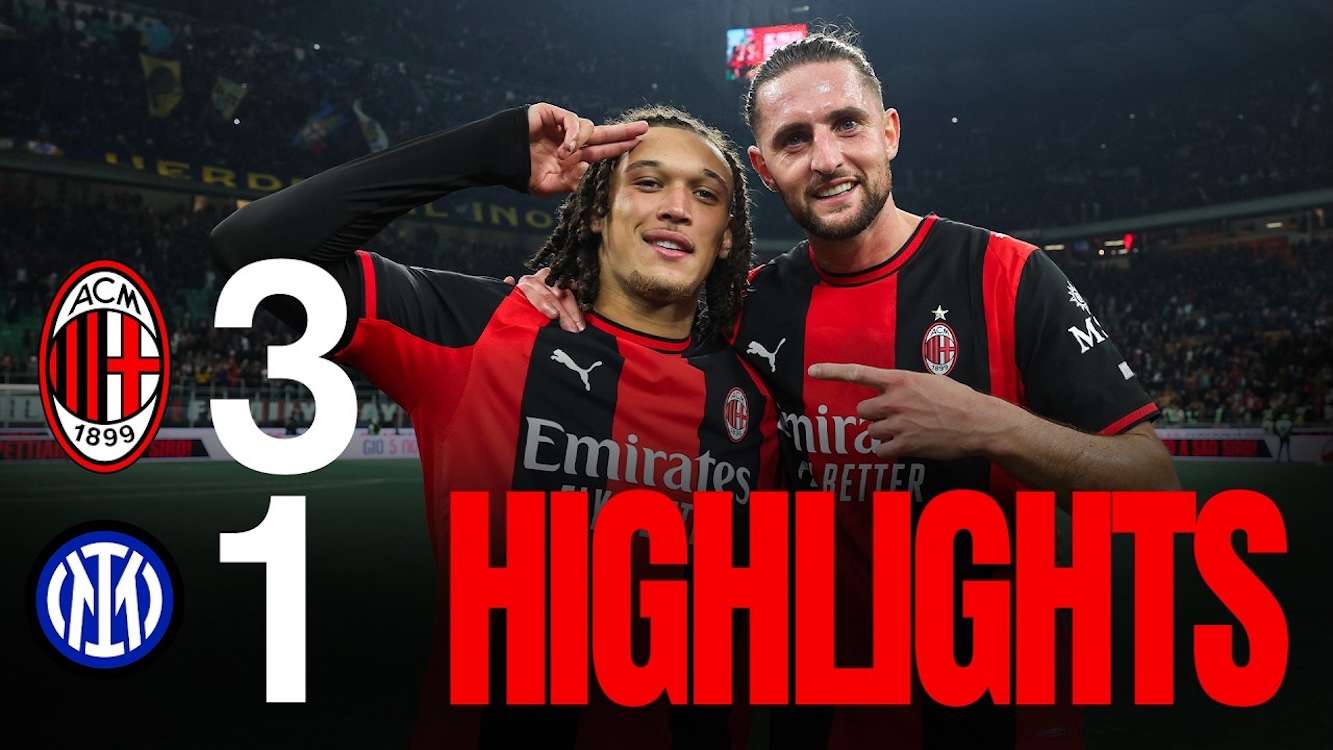
The optimists in the fanbase spent Sunday evening clipping highlights and taking well-earned victory laps. For the first quarter of the match, Amorim’s tactical blueprint looked like pure poetry in motion. Alphadjo Cisse opened the scoring by burying a slick cut-back from Adrien Rabiot, notching his eighth goal of the campaign in emphatic fashion.
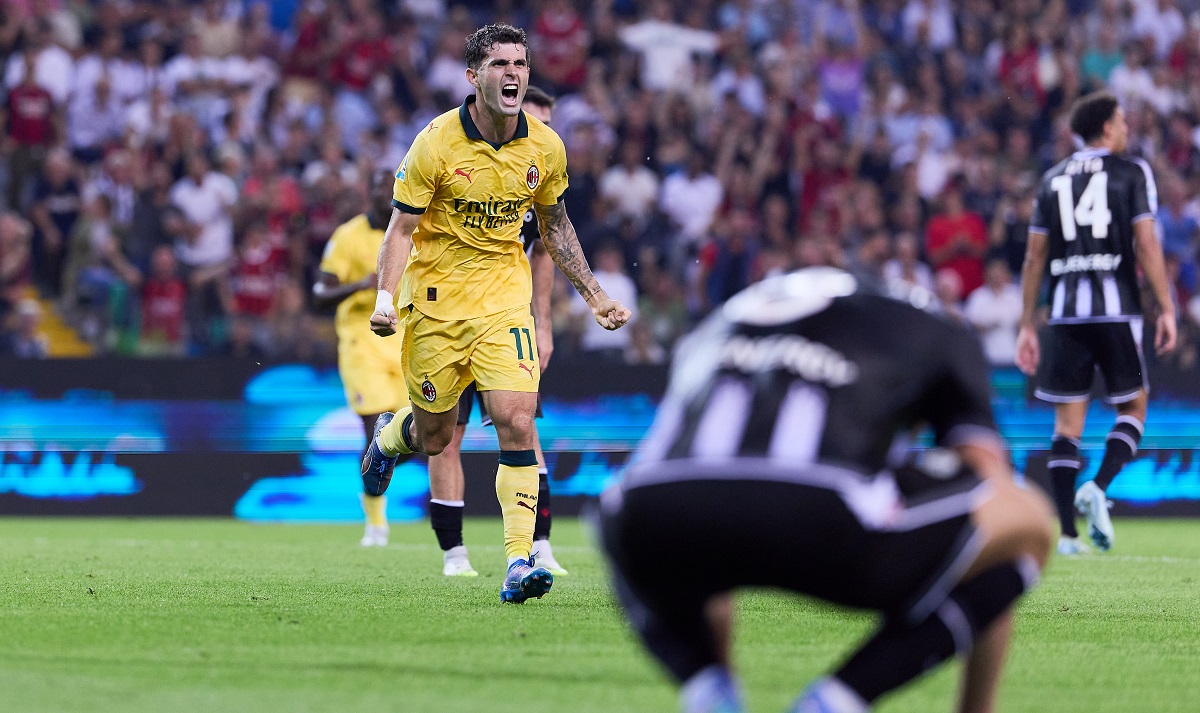
Minutes later, Goncalo Ramos squared the ball across the box for Christian Pulisic, who tucked it away to double the advantage. Pulisic took home another Lega Serie A Man of the Match trophy, looking like the sharpest attacker on the pitch for the third straight week. When Christian Pulisic spoke to DAZN after the match, his mood matched the terrace relief.
“We showed a reaction from the first minute. We started strong, we scored two goals. It’s not easy to play here, these are three important points.”
If you want proof of how good Milan's starting midfield looked, look no further than opposing manager Daniele De Rossi. The Genoa boss was practically starry-eyed in his post-match presser talking about Luka Modric running circles around his midfield. Modric is out here gliding past Serie A defensive pivots at forty-one years old like he discovered the fountain of youth in a Milanello ice bath.
De Rossi did not hold back his admiration for the Croatian maestro and Rabiot, offering high praise for their poise under pressure:
“For anyone who loves this post, it’s exciting to see this player paint football like this at 41.”
Enthusiasts see a starting eleven that can legitimately outplay anyone in Italy when they click. Rabiot is snapping into challenges, Modric refuses to surrender possession, and Cisse is finishing chances at an elite clip. For twenty glorious minutes, the Ferencvaros nightmare was completely forgotten.
The Bench Mob Collapse and the Doomer Counter-Attack
Then the second half happened. If the first twenty minutes were a demonstration of Amorim's vision, the final half-hour was a cold splash of reality. Genoa turned up the physical intensity, Mikael Ellertsson hammered home a long-range missile late in the game, and Milan's midfield suddenly evaporated.
The skeptics in the fan forums were quick to remind everyone that Milan barely survived this fixture. Davide Massa made some baffling refereeing decisions down the stretch, but blaming the ref ignores the glaring structural flaw in this roster. The moment Amorim went to his bench to manage legs, the entire system broke down.
This was not an isolated incident either. As Tuttosport's morning breakdown pointed out, there is an alarming gulf in quality between Milan's starting unit and their reserves. When Amorim fields his preferred group, they dominate territory and dictate tempo; when he rotates, the team disintegrates.
Aside from a lone victory against RB Salzburg, every single time Amorim has trusted his second string this season, Milan have collapsed. That Ferencvaros loss on Thursday was not bad luck; it was a screaming siren that the squad depth is paper-thin. Amorim even admitted recently that with this current roster makeup, Milan can realistically only fight for one competition rather than juggling domestic and European campaigns.
The social media battle lines are drawn across three distinct camps:
- The Optimists: We took three points at a notoriously hostile ground against an in-form Genoa side, reclaimed a top-four spot, and Pulisic is in red-hot form.
- The Doomers: We almost choked away a two-goal cushion to a mid-table side because our bench cannot protect a lead for fifteen minutes.
- The Realists: Amorim is doing magic tricks with an aging midfield, but one muscular tear to Modric or Rabiot will ruin the entire season.
The Tactical Hangover: Amorim's Final Third Problem
Even if you ignore the reserves, the tactical purists on Milan Reddit noticed something troubling in Amorim's own post-match comments. The manager was far from satisfied with how Milan managed the game in Genoa's half. He openly pointed out that while Milan dominate possession, they are doing it miles away from where danger actually happens.
Amorim noted that both Goncalo Ramos and Pulisic are forced to drop deep and play far outside the penalty box just to see the ball. Milan control possession cleanly in their own defensive and middle thirds, but they burn endless seconds shuffling the ball laterally without generating clear-cut chances for their striker. Ramos worked tirelessly to set up Pulisic's goal, but he is spending more time fighting center-backs near the halfway line than testing goalkeepers.
When your center forward is starved of box service and your manager is publicly diagnosing a mentality defect with the backup players, you cannot simply paper over the cracks with a celebratory Instagram post. Genoa pushed Milan to the absolute brink in the final ten minutes, and against a more clinical front line, that late Ellertsson strike would have been the prelude to a disastrous 2-2 draw.
The Verdict: The Skeptics Have the Stronger Case
Look, getting three points at the Marassi is massive. Genoa had won four of their previous five games under De Rossi, and bouncing back from a humiliating European defeat against Hungarian opposition takes grit. Heading into the international break sitting fourth in Serie A is a respectable position on paper.
However, the skeptics are looking at the math, and the math does not lie. Modric cannot play ninety minutes twice a week until May, and Rabiot cannot shoulder the entire physical load in central midfield without breaking down. When Amorim has to summon his bench in January and February, the drop-off in execution is going to cost points.
Amorim was dead right when he said this squad can only handle one tournament. If Milan want to return to Champions League football next autumn, they might need to treat Thursday nights in the Europa League as training scrimmages. Beating Genoa proved the starters have heart and elite technical quality, but it also proved that without them, Milan are a mid-table side walking a tightrope without a safety net.
Read Next
- Ruben Amorim's Europa League gamble is backfiring badly at San Siro
- Barcelona chasing Levi Colwill for £75m makes zero sense for anyone involved
- Man United's chaotic 4-4 draw has the entire fanbase at war
- Top 10: Top Moments
- 🇺🇸 USMNT World Cup 2026 — Team USA Coverage Hub
- ⚽ Serie A 2025-26 — Title Race Hub (Inter, Napoli, Juve, Milan)