The Marseille Ghost is Finally Dead
Pull up a barstool, grab a cold lager, and look at the absolute madness happening with Norway. For twenty-eight years, Norwegian football has been the sporting equivalent of a gorgeous sports car that refuses to start. You look under the hood, you see the shiny chrome of elite European talent, and then you turn the key only to hear the engine cough and die. This summer, they finally stopped choking.
For a country with a population of only 5.6 million, Norway produces sports stars at an almost offensive rate. Their winter Olympians gobble up medals like they are free samples at a grocery store. The Ingebrigtsen brothers run circles around the rest of the planet in athletics. They even went and created Magnus Carlsen, the greatest chess player to ever live. But when it came to football, the national team was a black hole of pure misery.
They went nearly three decades without qualifying for a single major tournament. It was a twenty-eight-year run of pure embarrassment. They had John Carew, John Arne Riise, and Morten Gamst Pedersen in their primes, yet they still found ways to lose to middle-of-the-road European sides on rainy Tuesday nights. Every qualification cycle ended with the same depressing script of hope followed by a brutal reality check.
But this summer, the narrative changed. They did not just scrape by in the group stage; they played with actual teeth. After beating Senegal, they lined up against Côte d'Ivoire in the last 32 and did the unthinkable. They won a knockout match at the World Cup. It was the first time in their history they had ever won a knockout game at a major tournament.
As Lars Sivertsen wrote for The Guardian, this current side has finally lived up to its billing. They took the pitch in the United States, faced down their historical demons, and refused to fold. Now, they are heading into the round of 16 for a rematch with the ultimate boss of international football: Brazil.
The Ghosts of Ninety-Eight and the Commentator Who Lost His Mind
To understand why Norwegians are currently losing their collective minds, you have to look back to the 1998 World Cup in France. That was the high-water mark of their football history. They faced Brazil in Marseille, needing a win to advance. Late in the match, Tore André Flo was dragged down in the box, and the referee pointed to the penalty spot.
Enter Arne Scheie, a commentator known for his dry, factual rigor. When Norway won that penalty, Scheie completely lost his composure. He screamed the famous words: “Vi har scoret i Marseille!” into the microphone. He was so hysterical he referred to penalty taker Kjetil Rekdal as “Kjetil Reknett, of Werder Bremen,” which is not a real name.
Scheie shouted that the spot-kick would be “the most important kick of a ball in the history of the Norwegian football federation.” Rekdal coolly slotted the ball home to seal a 2-1 win, and the entire nation lost its sanity. It was the kind of victory that gets turned into documentaries, books, and even a literal opera in Norway. But everyone forgets what happened next.
Three days later, Norway played Italy in the last 16. It was a complete disaster. They put up a meek, tepid performance and went down 1-0 thanks to an early Christian Vieri goal. They exited the tournament with a whimper, just as they did in 1994, leaving their golden generation with a legacy of unfulfilled potential.
That is the negative truth about Norwegian football history. They could beat the giants in one-off group games, but they lacked the killer instinct to win when it mattered most. The nineties team was loved, but they were ultimately bottle jobs. This current squad knows that history inside out.
A Manager with a Pacemaker and a Team of Grinders
Nobody knows that history better than the man currently sitting in the dugout. Ståle Solbakken played sixty-three minutes of that boring defeat to Italy in Marseille. He carried that pain with him for his entire career. Solbakken is a tough character who literally died for seven minutes after a cardiac arrest in 2001 and now coaches with a pacemaker in his chest.
After the win against Senegal, the manager walked up to the camera and shouted: “Shut up boys! This is the greatest Norwegian football win of all time, and you can quote me on that.” That is the raw, unfiltered passion Norway has lacked for decades. After they beat Côte d'Ivoire, he told his players that they were changing not just football history, but Norwegian history in general.
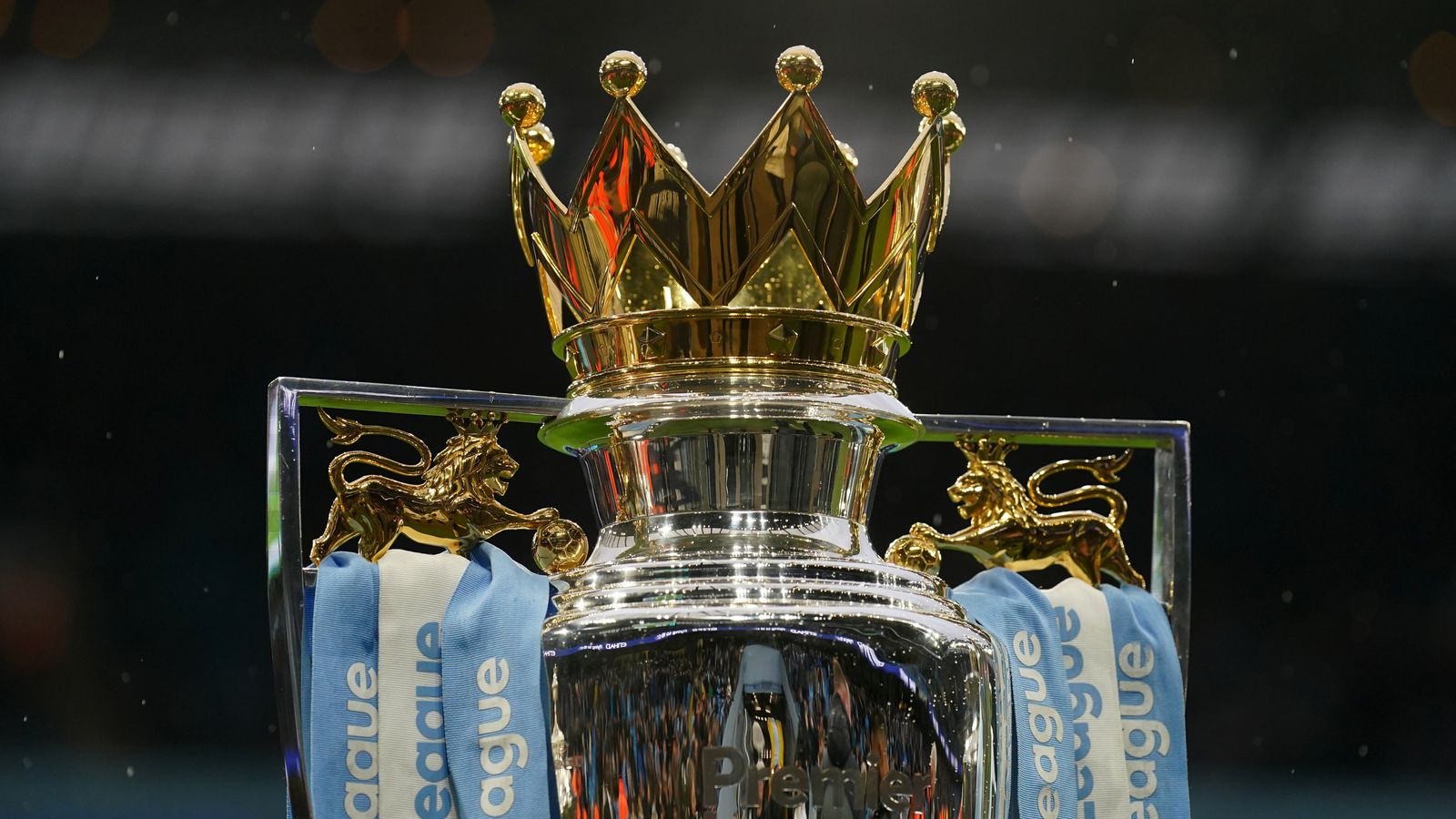
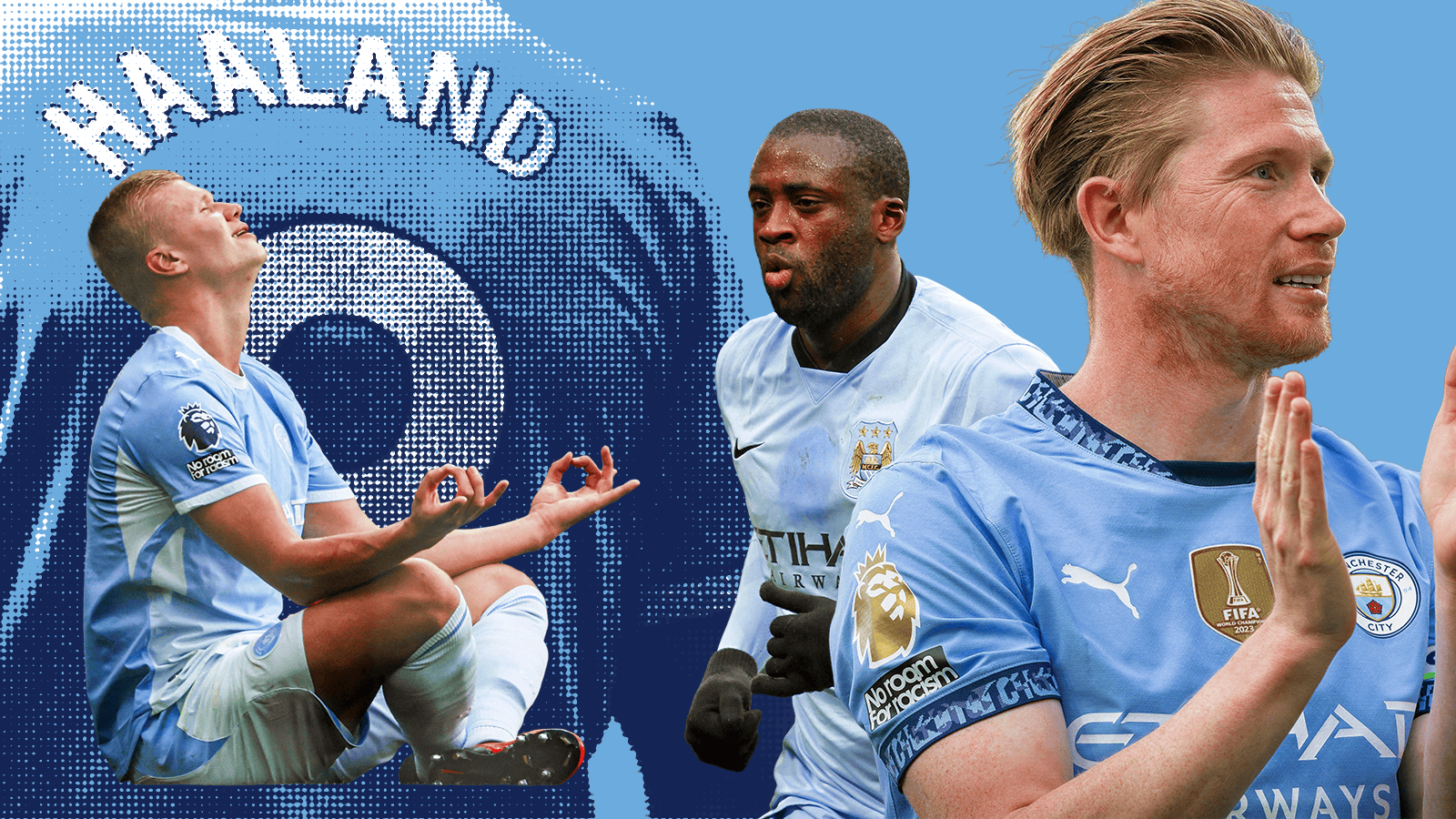
It obviously helps when you have two of the best players in the world. Erling Haaland is a scoring machine who has already won everything at Manchester City. Martin Ødegaard is a Premier League-winning captain who pulls the strings in midfield. But this run has not been a two-man show. The grinders have stepped up.
Look at midfielder Patrick Berg, whose father Ørjan Berg played in the 1994 World Cup squad. Berg was dropped right before the tournament started, but he fought his way back into the lineup and put on a man-of-the-match performance against the Ivoirians. Three players in this squad have fathers who went to the 1994 tournament, giving this run a deep sense of family legacy.
Then there is goalkeeper Ørjan Nyland. He spent the season warming the bench at Sevilla, and fans doubted he could perform on the big stage. But in the final seconds of the match against Côte d'Ivoire, he pulled off a save of the tournament contender to protect the lead. The young winger Antonio Nusa also shone, scoring a brilliant goal that looked like prime Neymar.
Bring on the Rematch
After the final whistle in the last match, Haaland did not hold back. He said: “I think this will change Norway forever.” Solbakken, reflecting on his own physical survival, jokingly told reporters: “If I survive this I will survive anything.” The connection between the team and the fans has been a highlight of the summer.
Haaland and Ødegaard came up with the idea for the team to join the traveling supporters in the Viking Row. It is a spectacle that has taken over American stadiums. But the party has to stop because the schedule makers have delivered a mouth-watering storyline. In the round of 16, they face Brazil again.
This is the match everyone wanted. The history is rich, the narrative is perfect, and the stakes are massive. Solbakken before the tournament noted that “Historically in tournaments, Norway have played well in qualifying and then performed worse at the World Cup.” He followed that up by saying: “Now we have to see if we can raise our game.”
The current squad has already raised their game further than any Norwegian team before them. But Brazil will be a different animal. They will not let Norway off the hook the way Côte d'Ivoire did in those shaky final minutes. Solbakken's defensive tactics will need to be flawless, and Haaland cannot afford to miss the half-chances he got earlier in the tournament.
If you want to read more about this matchup, The Guardian has a breakdown of how this squad compares to the class of ninety-eight. It is the ultimate test for Norway. Grab a pint, find a television, and watch history unfold.
Read Next
- Top 10: Top Moments
- Why England should fear Mexico's Colombian-born winger
- Why Lamine Yamal has the internet in a chokehold after Spain's latest win
- Why France must watch their step against the team that broke Germany
- 🏆 World Cup 2026 — Full Coverage Hub
- 🇧🇷 Brazil World Cup 2026 — A Seleção Hub
- 🇳🇴 Norway World Cup 2026 — Can Haaland Lead the Vikings?