The Boston Autopsy
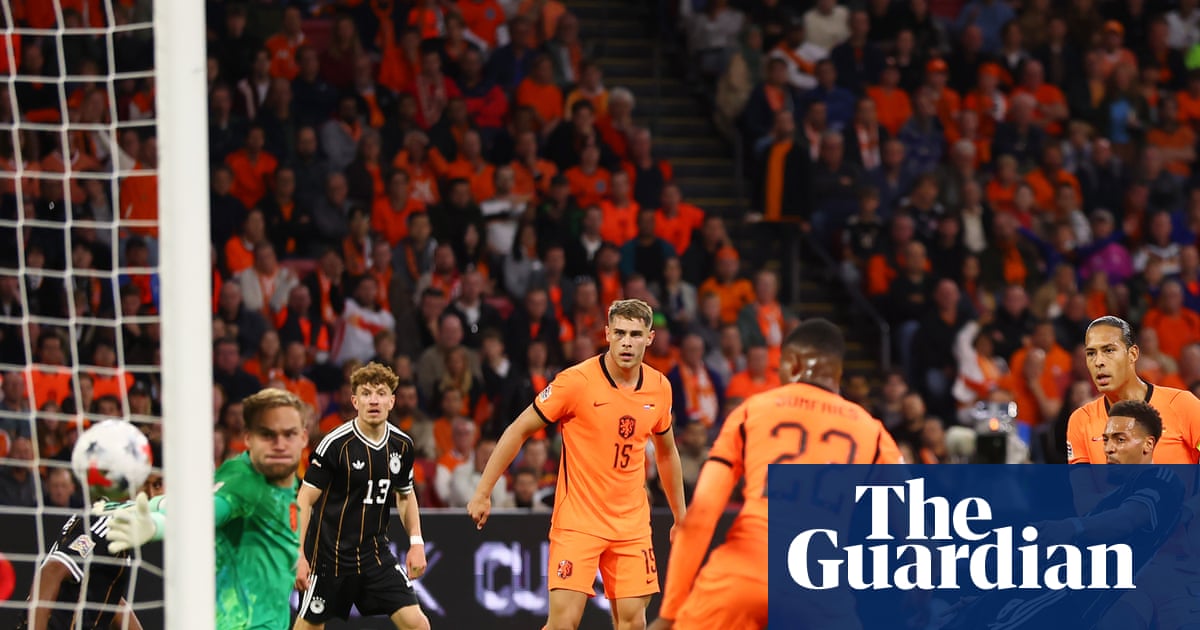
Earlier this week, on Monday night at Boston Stadium, Paraguay pulled off the most shocking tactical heist of the 2026 World Cup. The victim was Germany, a team that arrived in the United States with grand ambitions but departed with their structural flaws laid bare. The match ended in a 1-1 draw after 120 minutes of grueling, attritional football before Germany were knocked out of the 2026 World Cup by Paraguay on penalties.
Julio Enciso opened the scoring for Paraguay in the 42nd minute, capitalizing on a catastrophic failure in Germany's defensive transition. A loose lateral pass was intercepted, and within three seconds, Enciso was running into the space behind Germany's high line, finishing past the goalkeeper with absolute composure.
Germany equalized in the second half through a Kai Havertz header, but their dominance of possession was, tactically speaking, completely sterile. They controlled 68% of the ball but struggled to create high-quality chances against Gustavo Alfaro's disciplined defensive setup.
The tactical framework deployed by Alfaro was a masterclass in defensive geometry. Paraguay operated in a narrow 4-1-4-1 shape that compressed the vertical space between the lines to under eight meters. When Germany tried to play through the half-spaces, they found themselves suffocated by a three-man press.
In extra time, Jonathan Tah thought he had rescued Germany, but his winning goal was disallowed after a lengthy VAR review for offside. In the ensuing shootout, Paraguay held their nerve to win 4-3, with goalkeeper Orlando Gill saving the decisive spot-kick.
This historic victory was the first time in World Cup history that Germany had lost a penalty shootout. The fallout was immediate. Germany, once the undisputed kings of tournament play, showed they simply lack the defensive discipline and individual quality required to survive at this level.
The tactical arrogance of playing a high line without adequate recovery speed proved fatal. Alfaro identified this vulnerability and exploited it perfectly, setting a blueprint for how to dismantle a European heavyweight.
The German Collapse and the Klopp Sweepstakes
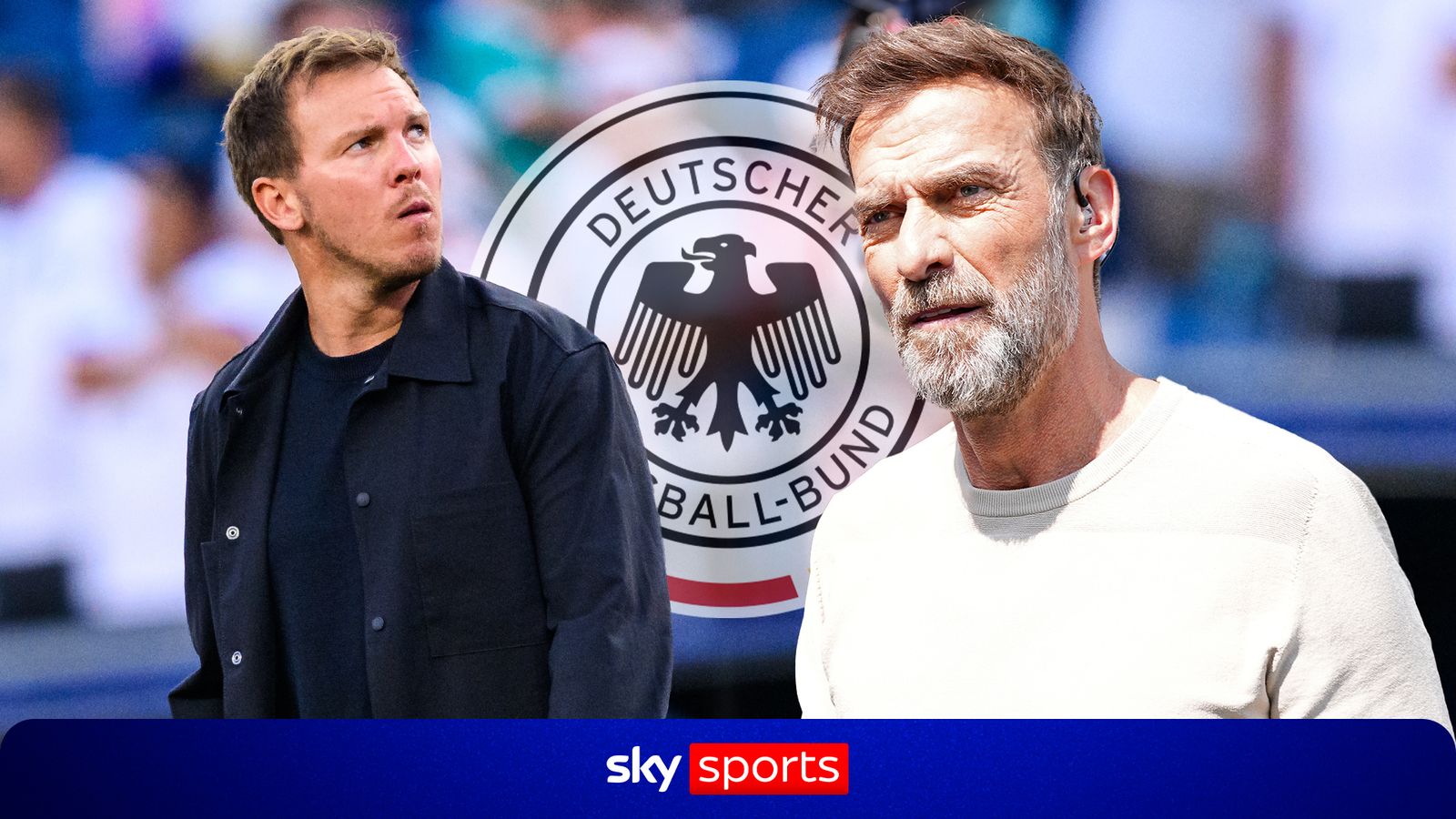
The shockwaves of the defeat in Boston reached Frankfurt on Friday, July 3, as Julian Nagelsmann resigned as Germany's head coach. The 38-year-old manager had been in charge since September 2023, having previously guided the team to the Euro 2024 quarter-finals where they fell to Spain. The pressure of the early World Cup exit, however, proved too immense to withstand.
Under his tenure, Germany showed moments of brilliance, such as their 7-1 thrashing of Curacao in the opening group match. But the subsequent games revealed a team playing without a solid defensive foundation. A narrow 2-1 victory over Ivory Coast was followed by a 2-1 defeat to Ecuador, exposing a fragile backline that Nagelsmann failed to fix.
DFB president Bernd Neuendorf confirmed the departure with a formal statement on Friday:
The German Football Association expressly thanks Julian Nagelsmann for his work since September 2023. He is characterised by a high level of commitment and extraordinary ambition. Julian Nagelsmann is also an extremely responsible and sincere person whom we all value.
The federation is already working on a replacement. In the same announcement, the DFB revealed they are entering negotiations with former Liverpool manager Jurgen Klopp:
Regarding the appointment of a new coach, the DFB leadership will now seek talks with Jurgen Klopp. He has already signalled his general willingness to take on the position.
Klopp is currently employed as the head of global soccer for the Red Bull Group. His contract contains a specific exit clause that allows him to depart for the German national team job. Should he accept the position, it will mark his return to the dugout for the first time since leaving Anfield in 2024.
The prospect of Klopp taking over has injected a sense of hope into a devastated fanbase, but the structural issues of the national team run deep. German football requires more than a charismatic figurehead to fix what has become a broken defensive system, proving they are simply not that good right now.
The Philadelphia Trap
Paraguay's reward for their historic victory is a Round of 16 matchup against France at Lincoln Financial Field on Saturday, July 4. This fixture presents a fascinating tactical clash. France enters the knockout rounds as the tournament favorites, boasting a perfect winning record. They cruised through the group stage and dismantled Sweden 3-0 in the Round of 32. Kylian Mbappe has been the star of the tournament, scoring six goals and demonstrating devastating form when running into open space.
However, Paraguay's low block is a completely different challenge than Sweden's open style. Alfaro will deploy the same narrow defensive shape that frustrated Germany. The key battleground will be the wide areas. France prefers to attack with explosive speed through Ousmane Dembele and Bradley Barcola on the flanks. Paraguay's wide midfielders will be tasked with tracking back to create double-teams against France's wingers. This defensive doubling will force France to play through the center, where Paraguay's physical midfielders will clog the passing lanes.
Didier Deschamps is a notoriously pragmatic manager. France can be painful to watch when Deschamps refuses to release the handbrake, but it makes them incredibly tough to beat. While Germany committed too many players forward and left themselves vulnerable to counter-attacks, France maintains a strict rest defense.
The double pivot of N'Golo Kante and Aurelien Tchouameni provides a protective screen in front of the center-backs. Kante's lateral coverage and Tchouameni's positional intelligence mean that Paraguay will find it much harder to initiate transition play. With Miguel Almiron returning from suspension, Paraguay will have an extra outlet on the counter-attack, but he will find himself tracked closely by Tchouameni, preventing him from launching the quick transitions that punished Germany.
The responsibility for breaking the deadlock will fall on Michael Olise. With Paraguay defending deep, space will be at a premium. Olise must use his creative passing to unlock the defense. He will need to drift from his right-wing position into the central pocket behind the striker, drawing Paraguay's defenders out of their compact shape. If Olise can drag a center-back out of the defensive line, it will create the split-second window that Mbappe needs to exploit.
The Prediction
Do not expect an open, flowing game of football in Philadelphia. Paraguay will look to slow down the tempo, commit tactical fouls, and frustrate the French attackers. The first half is likely to be a grueling affair, with France dominating possession but finding few openings. We predict a scoreless first half as Alfaro's defensive structure holds firm, forcing France into long-range efforts.
In the second half, France's squad depth will become the deciding factor. Deschamps has the luxury of introducing world-class talent off the bench to tire out the Paraguayan defense. We predict that France will eventually break the resistance in the 68th minute. Olise will find Mbappe with a slide-rule pass, and the captain will finish from close range.
Once Paraguay is forced to abandon their low block and search for an equalizer, France will exploit the space. A late counter-attack finished by Barcola in the 85th minute will secure a 2-0 victory. France will advance to the quarter-finals, but Paraguay will make them fight for every single yard of the pitch. It will be a grim, tactical battle that tests French patience to the limit.
Read Next
- Spain will punish Portugal if Roberto Martinez doesn't drop Cristiano Ronaldo
- Portugal must drop Cristiano Ronaldo if they want to beat Spain
- Top 10: Top Moments
- Top 10: Top Moments
- 🏆 World Cup 2026 — Full Coverage Hub
- 🇫🇷 France World Cup 2026 — Les Bleus Hub
- 🇩🇪 Germany World Cup 2026 — Die Mannschaft Hub
- 🇵🇾 Paraguay World Cup 2026 — La Albirroja Hub
- 🇺🇸 WC 2026 Group D — USA, Paraguay, Australia