The champion's fall and the Rabat reality check
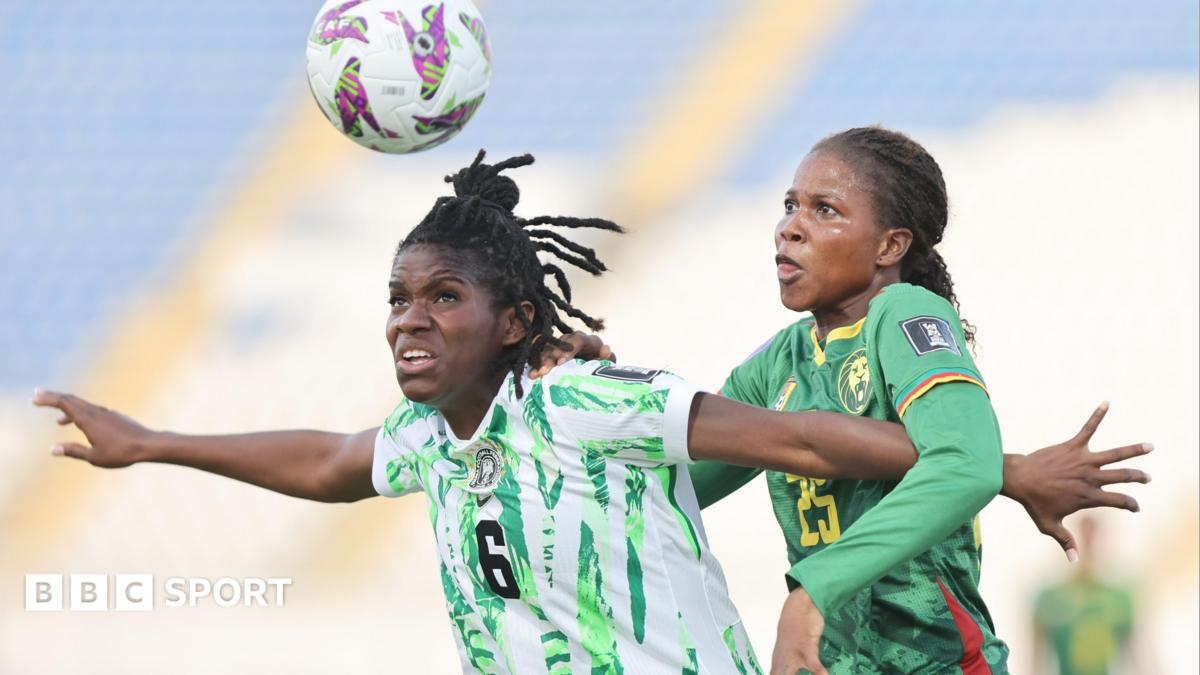
Ten continental titles suggest dominance, but history does not defend low blocks. On Sunday in Casablanca, Nigeria's Wafcon reign came to a grinding halt against Cameroon. A single first-half free-kick from teenager Myriam Nyadjou sent the Indomitable Lionesses into the semi-finals and guaranteed their ticket to Brazil 2027.
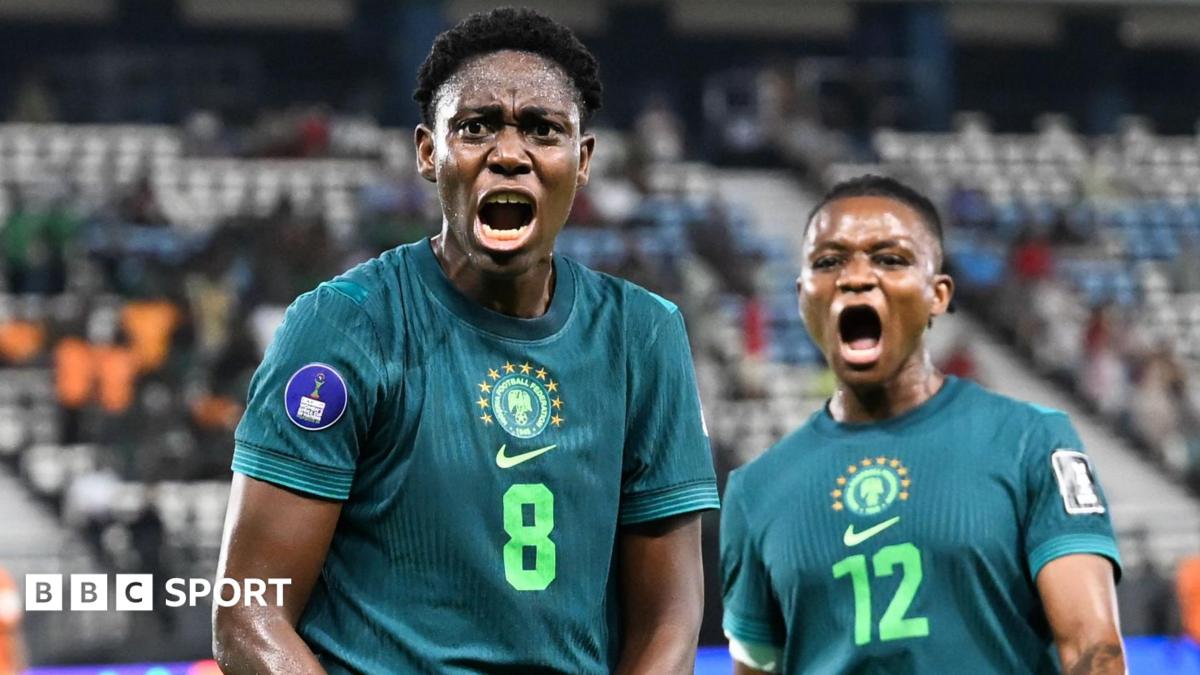
For the Super Falcons, the 1-0 quarter-final loss represents their worst performance in Wafcon history. They dominated territorial position, racked up shot attempts, and spent seventy minutes camped in Cameroon's half. Yet, they walked off the pitch empty-handed, knocked out of direct World Cup qualification.
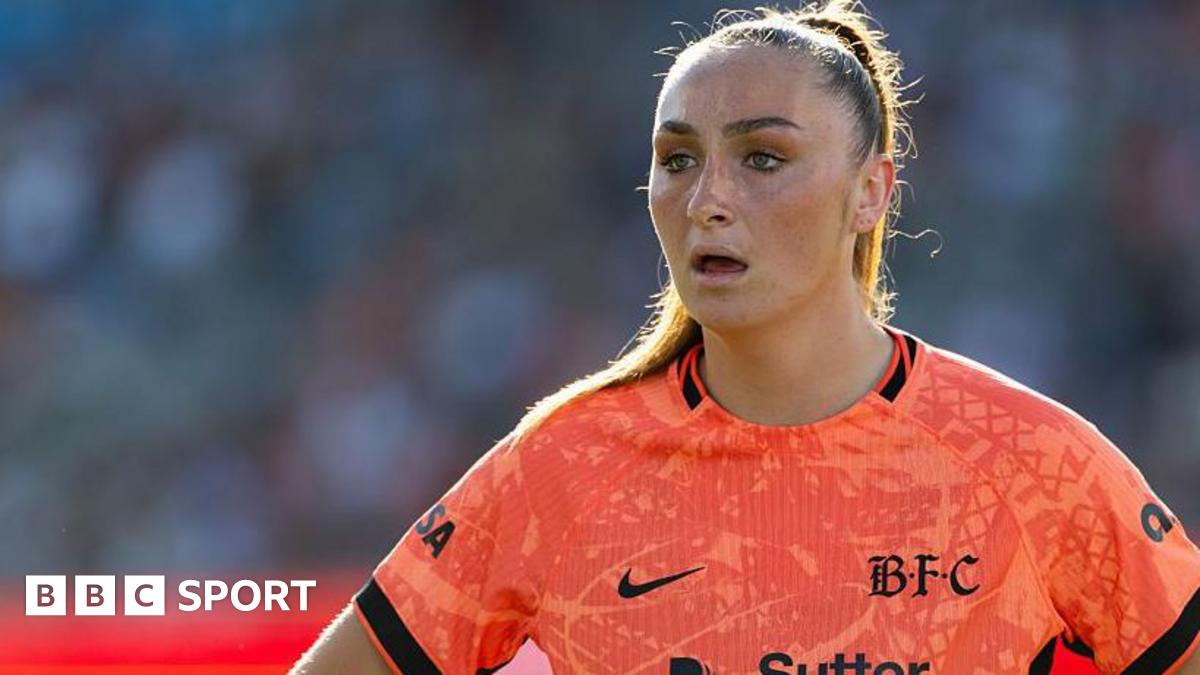
Midfielder Jennifer Echegini framed the defeat as bad luck rather than a structural failure. She insisted the team played well and created opportunities throughout the ninety minutes.
blockquote>"I think we were just a bit unfortunate," Echegini told the BBC after the match. "I think honestly one of our better games. We created a lot more opportunities. The ball just didn't go the way we wanted it to."
Echegini's assessment is comforting, but the numbers tell a harsher story. Generating high shot volume means little when those attempts come from low-probability zones outside the penalty box. Cameroon goalkeeper Michaely Bihina made several fine saves, but Nigeria made her job far too easy by failing to break down the central channel.
Justin Madugu's low-block nightmare
Under head coach Justin Madugu, Nigeria's attacking structure has become painfully predictable when facing compact defensive shapes. Against Cameroon, the Super Falcons funnelled possession out wide, relying on isolated 1v1 wing play rather than quick third-man runs. Cameroon sat in a disciplined mid-block, closed down the half-spaces, and invited harmless crosses.
Cameroon forward Naomi Eto admitted as much after securing their World Cup spot. She acknowledged Nigeria's relentless pressure while highlighting Cameroon's defensive resilience.
blockquote>"We can say it was an ugly win because they attacked a lot, but we were very, very strong defensively," Eto said.
When an opponent openly calls their strategy an "ugly win," it confirms the tactical trap Nigeria fell into. Madugu's side lacked the quick vertical passing needed to unpick a compact five-player midfield. Instead of shifting Cameroon's block with rapid side-to-side switches, Nigeria slowed the tempo and forced passes into crowded areas.
This tactical flaw has been brewing since the group stage. Nigeria's reliance on raw physical speed worked when space was available on the counter. But when forced to control matches with 60% possession, the build-up becomes static and predictable.
The defensive shape also cracked under minimal pressure. Nyadjou's free-kick goal came from a poorly chosen foul outside the box, exposing a lack of discipline in defensive transitions. One moment of sloppy positioning ruined ninety minutes of territorial control.
South Africa's parallel collapse sets up a Thursday showdown
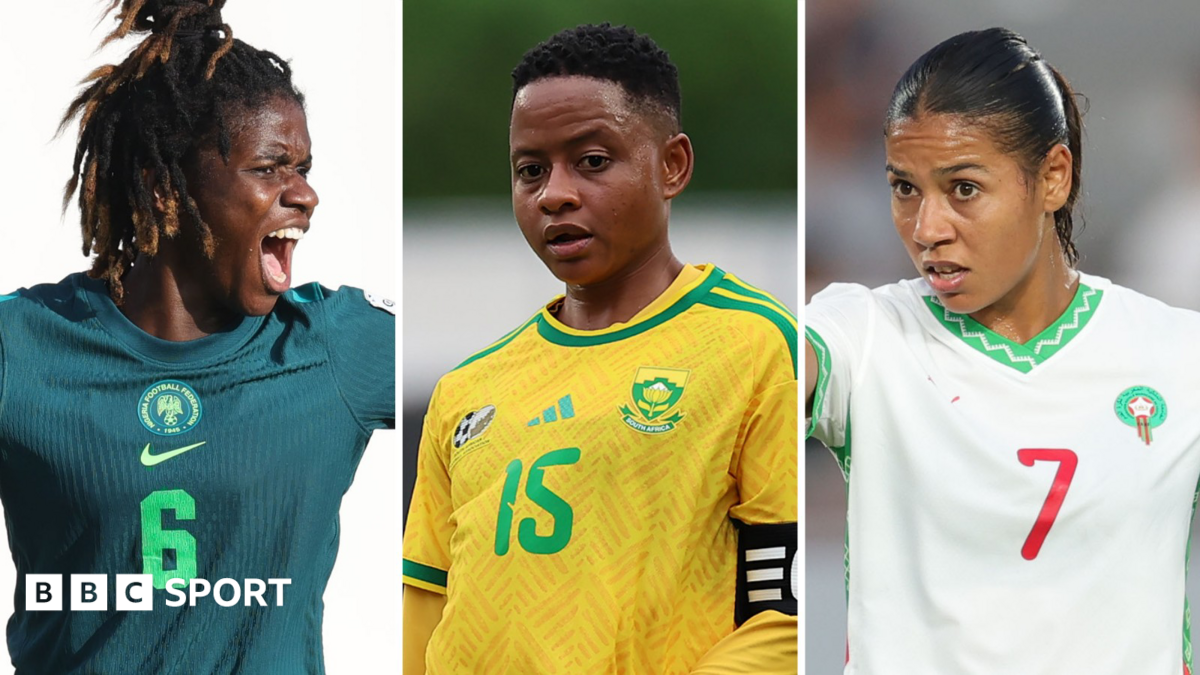
Nigeria are not the only African heavyweight nursing a hangover this week. South Africa, the 2022 Wafcon champions, were also eliminated in the quarter-finals over the weekend. That double collapse sets up an extraordinary high-stakes play-off on Thursday night in Morocco.
The fixture kick-off is set for 20:00 GMT on Thursday. It pits Africa's last two continental champions against each other in a direct knockout match. The prize is not a Wafcon medal, but a single lifeline into the 10-nation inter-confederation qualifier tournament.
The stakes could not be higher for both nations. The loser of Thursday's match is completely out of the 2027 Women's World Cup. The winner advances to a multi-stage global playoff, starting with a preliminary phase in November and December, followed by a final tournament in February 2027 to claim one of three remaining spots in Brazil.
South Africa present a completely different tactical problem than Cameroon. While Cameroon happily conceded possession, South Africa want the ball. Banyana Banyana build patiently from the back, using double pivots to control tempo through the middle.
However, South Africa's defensive transition is extremely fragile. Their quarter-final exit exposed a vulnerability to high-intensity pressing and physical duels in the defensive third. When pressed aggressively near their own box, South Africa's center-backs tend to panic and commit costly turnovers.
This creates a fascinating tactical mirror match for Thursday night. Nigeria struggle against low blocks, but thrive when games become stretched and chaotic. South Africa struggle against intense physical pressure, but can carve teams apart if given time on the ball.
Elsewhere on Thursday, Ghana face Ivory Coast for Africa's second spot in that inter-confederation qualifier. Meanwhile, the actual Wafcon tournament moves into the semi-finals without its two historic powerhouses. Hosts Morocco face Cameroon on Wednesday, while Algeria take on Malawi for a place in Sunday's final.
Chiamaka Nnadozie and the psychological reset
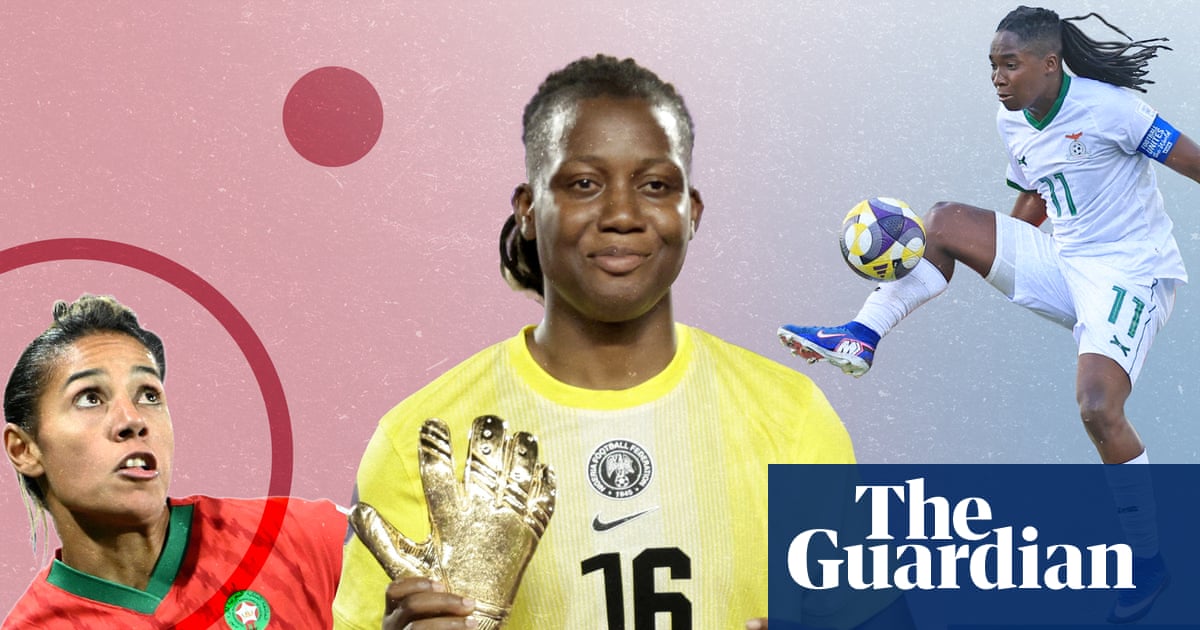
Technical tactics matter, but psychological recovery will decide Thursday's winner. Rebounding from a devastating quarter-final exit in four days demands elite locker-room leadership. Super Falcons goalkeeper and captain Chiamaka Nnadozie is already leading that charge.
Nnadozie was clear about the team's mindset following the Cameroon defeat. She emphasized that while the Wafcon trophy is gone, the primary global objective remains alive.
"This is football, this is life," Nnadozie said. "What happened happened, we just have to keep our heads high. There's still hope - it's not over yet."
She added that head coach Madugu has focused on rebuilding morale in training sessions ahead of Thursday's clash. The goalkeeper promised a far more aggressive effort against South Africa.
"On Thursday we'll go out strong, we'll try to do better than we've done and hope to get to the next stage of the World Cup," Nnadozie stated. "We will go there and make things right."
Nnadozie's presence between the posts remains Nigeria's greatest asset. In high-pressure knockouts, having a world-class shot-stopper who commands her penalty box provides an invaluable safety net. If Nigeria can minimize defensive blunders, Nnadozie gives them a massive edge in close margins.
The Tactical Prediction: Why Nigeria will edge South Africa
Here is how Thursday night plays out on the pitch. Madugu must abandon the slow, methodical build-up that failed so miserably against Cameroon. Against South Africa's possession-oriented style, Nigeria should deploy an aggressive mid-block press designed to trigger turnovers in the central third.
South Africa will dominate the early passing statistics, keeping 55% of the ball in the opening half-hour. But their low defensive line cannot cope with Nigeria's speed on direct counter-attacks. Once Nigeria trigger high ball recoveries, Echegini and the forward line will find open space that was non-existent against Cameroon.
Expect Nigeria to target South Africa's left-back zone relentlessly. By forcing turned-over balls into direct 1v1 wing isolations, Nigeria will create high-xG cutbacks into the box. South Africa's central defenders lack the physical presence to win aerial duels against Nigeria's frontline over ninety minutes.
South Africa will score through a slick combination play in midfield, but Nigeria's athletic superiority and set-piece danger will prove decisive. My prediction: Nigeria win 2-1 in normal time to keep their World Cup dream alive.
Winning on Thursday sends Nigeria into the inter-confederation qualifying tournament, avoiding complete disaster. But let us be entirely clear: a play-off victory is merely a band-aid on a broken system. If the Super Falcons do not fix their static attacking structure before November, their streak of appearing at every World Cup since 1991 will come to a painful end before Brazil 2027 kicks off on 24 June 2027.
Read Next
- Spurs won't let Cristian Romero join Arsenal, but his time in N17 is up
- Mbaye's PSG goal proves why Liverpool need a direct upgrade
- West Ham's Carabao Cup selection signals a major personnel risk
- Why Sasa Lukic to Ipswich is Kieran McKenna's smartest tactical tweak yet
- 🇳🇬 Nigeria Super Eagles — World Cup 2026 Hub