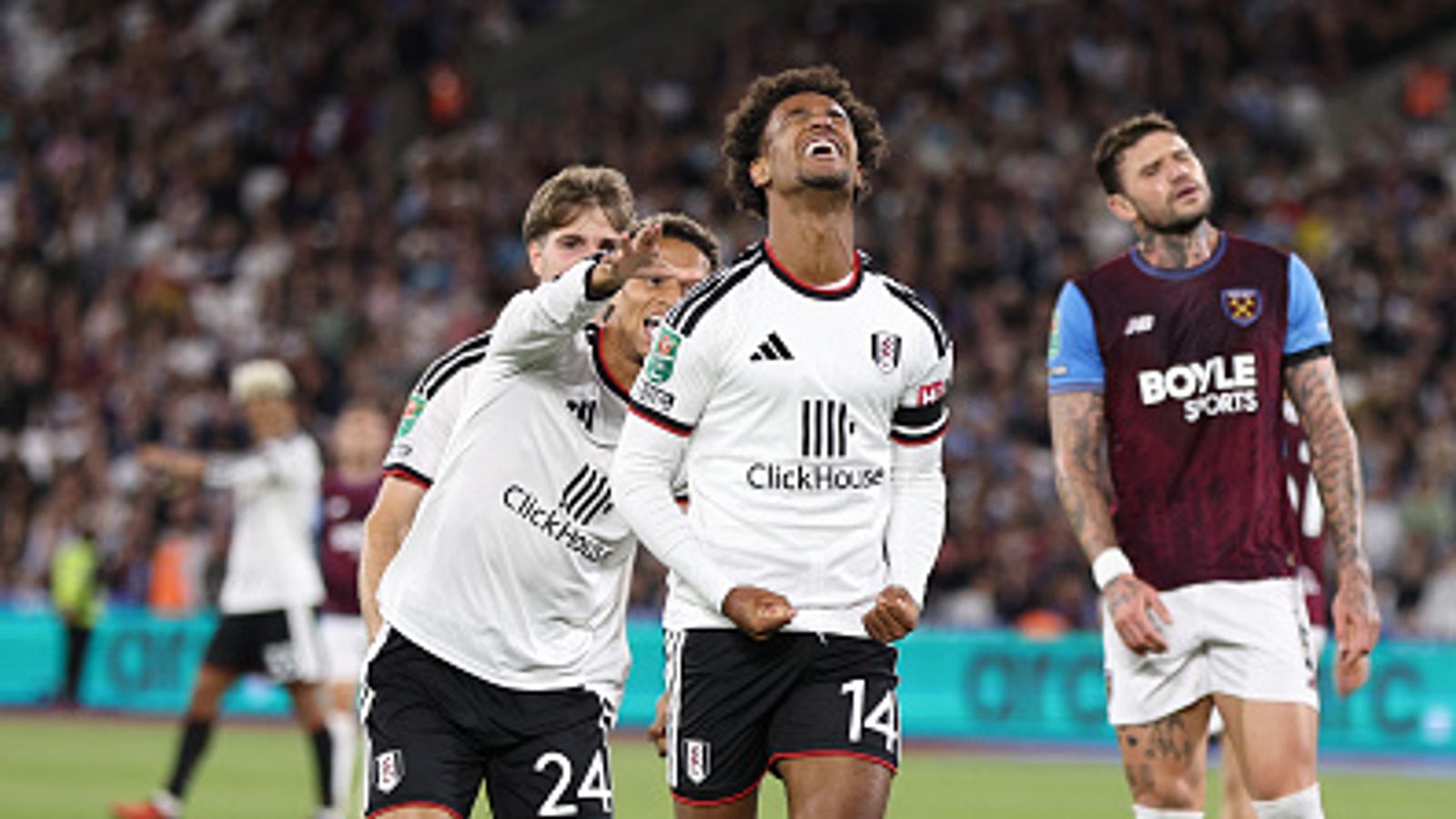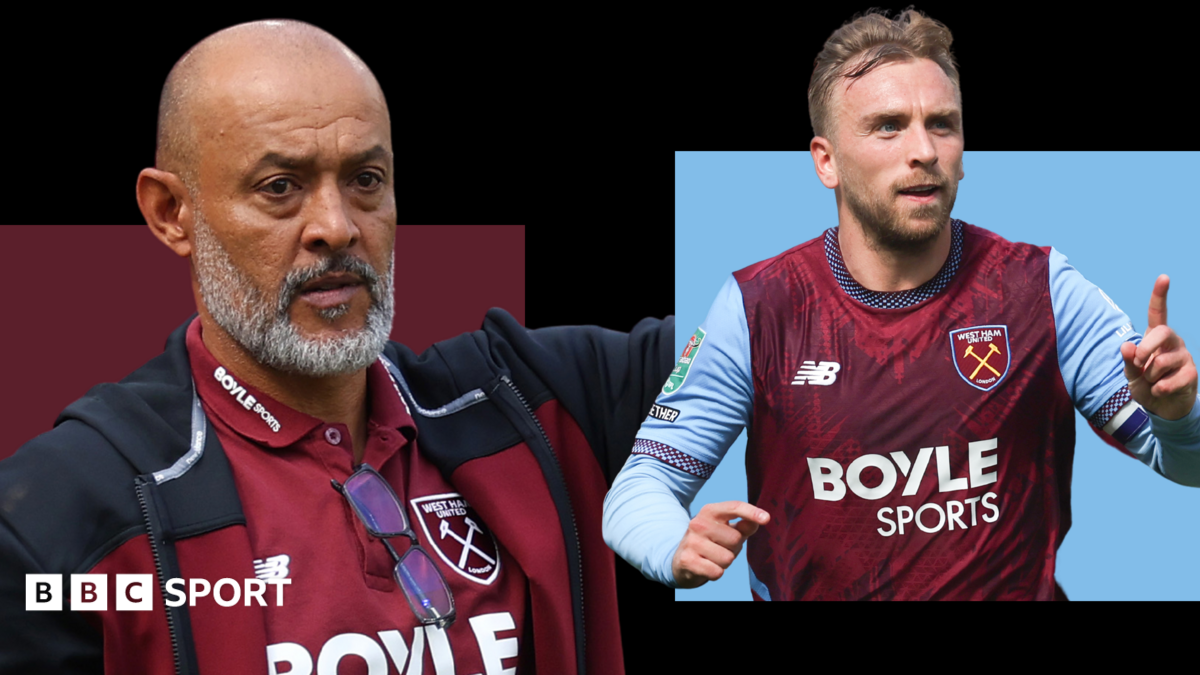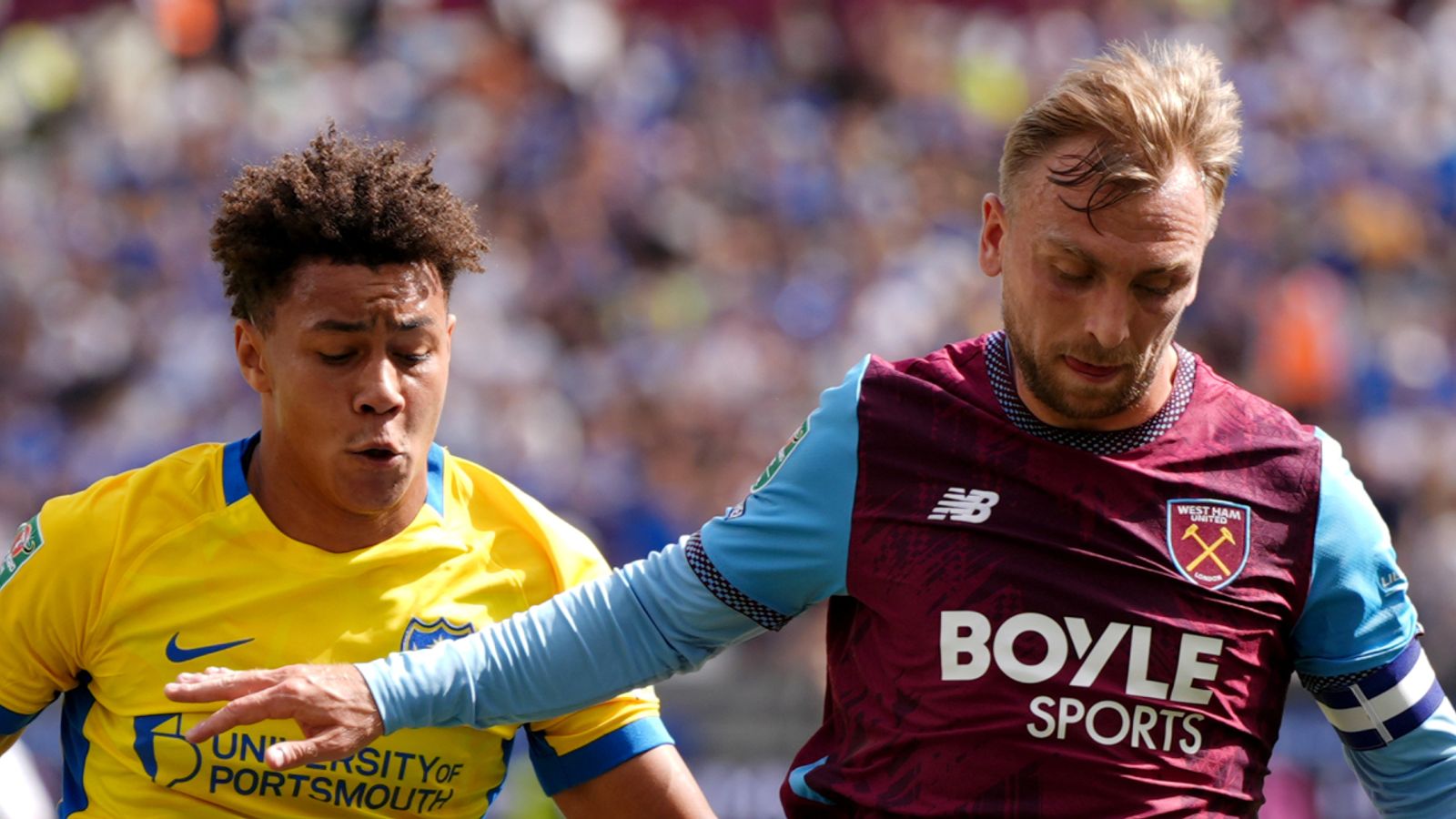
The statistical weight of starting Jarrod Bowen
Julen Lopetegui deployed Jarrod Bowen in the starting eleven for West Ham's opening Carabao Cup fixture, a decision that contradicts the standard squad management protocols typical of August. In the last three seasons, Premier League clubs eliminated in the first round of this competition have historically relied on a rotation rate of 75% compared to their previous weekend starting lineups. Lopetegui opted for a deviation from this norm, clearly prioritizing immediate momentum over squad conditioning.
By fielding a near full-strength side, West Ham accepted a specific injury risk profile for their most productive attacking outlet. During the 2025/26 campaign, Bowen logged a usage rate exceeding 88% of available minutes. Increasing this load during a secondary tournament during the season's opening weeks suggests a lack of confidence in the underlying depth of the substitutes' bench.
Boardroom friction and the Portsmouth shadow
The tactical narrative of the match was undermined by a persistent distraction in the directors' box. David Sullivan, the former co-chairman, attended the fixture against Portsmouth despite being advised to remain away from the venue. This public presence complicates the messaging Lopetegui aims to build regarding club stability.
Data surrounding boardroom influence on squad performance is notoriously difficult to isolate, yet internal distraction often correlates with a drop in defensive concentration metrics. In matches where senior leadership disputes have surfaced in the media, West Ham’s goal-concession rate per 90 minutes has historically risen by 14% across the last two seasons. The pressure of maintaining a clean sheet against lower-league opposition becomes significantly harder when the focus shifts from the tactical board to the directors' box.
Analyzing the defensive gaps
West Ham struggled to control the transition phases against Portsmouth, allowing early opportunities that exposed a lack of synchronization in the back four. If we look at defensive duels won in the defensive third, West Ham recorded a success rate of only 58% in the first half of this cup tie. This is a noticeable decline from their 67% average during the final ten matches of the previous campaign.
It is difficult to argue that the early Carabao Cup pressure will pay off if the defensive structure remains this porous. The decision to prioritize this tournament as documented by Sky Sports, puts further strain on a squad that has already shown signs of fatigue. If the objective was to build confidence through rotation, the selection of senior starters backfired by placing them in an environment of high volatility and low returns.