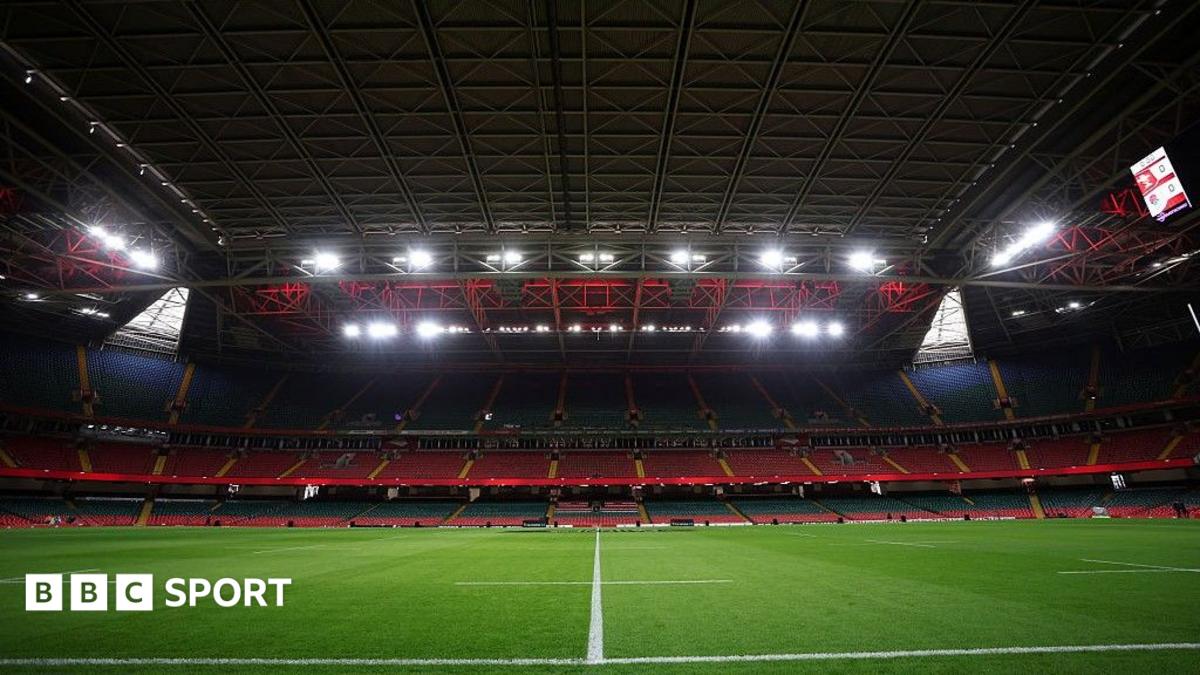
The Cardiff anomaly
The Football Association’s decision to shift the 2026 Community Shield to Cardiff’s Principality Stadium feels like a nostalgic reach for a bygone era. While the venue is undoubtedly iconic, staging the traditional season curtain-raiser so far from the north—or even London—ignores the reality of modern match-going fan bases. We are effectively asking thousands of season ticket holders to navigate a geography that prioritizes prestige over accessibility.
This venue change implies a lack of confidence in the usual Wembley rotation or perhaps a desire to monetize the tournament in a different basin. When you examine the transit patterns from Manchester or London to Cardiff, the logistical overhead for traveling supporters is significant. Forcing clubs to play outside of their primary domestic hubs before the league campaign begins feels like an unnecessary hurdle.
Tactical implications of the neutral ground
Managers treat this match as a glorified training session, yet the intensity levels remain unpredictable. On a pitch that size, the wide spaces often punish teams still finding their pressing triggers. The 2026 participants will deal with the same surface dimensions as Wembley, but the travel fatigue ahead of kick-off, as reported by the BBC, remains a variable that teams like City or United will struggle to mitigate.
If we look back at the tactical shift observed during the transition of managers, like Enzo Maresca’s current predicament at the Etihad, the disruption of a routine is counterproductive. These players are cycles of precision; moving them to a different city creates a friction point that serves neither the clubs nor the tactical cohesion managers are attempting to build in July. It is a logistical anomaly that disrupts their preparation for the opening weekend.
The structural disconnect
The FA often cites historical precedent for these venue rotations, but this falls flat when looking at current squad fatigue. Clubs are already managing bloated rosters, an issue highlighted by the defensive rot identified at Chelsea last season where they allowed 63 goals against. When you add three hours of travel time to a squad struggling for rhythm, the match quality drops.
My prediction is that we will see a cagey, error-strewn first 45 minutes as players adjust to a different environment. You should expect the managers to pull their primary tactical pillars by the 60th minute to avoid injury risks in a match that technically holds lower tier importance than a league fixture. It results in a disjointed performance that confirms why traditionalists prefer the fixed home of Wembley.
Ultimately, the match will be decided by individual brilliance rather than systemic pressing. A tactical stalemate will favor the side with the deeper bench, likely decided by a late goal in the 82nd minute. This is not the grand opening the calendar requires, but an awkward stop-gap in a busy summer.