The benchmarks of a generation
English football history is defined by singular flashpoints that tilt the power balance of the domestic game. These ten moments represent the apex of sporting theater, where tactical genius met raw, unfiltered desperation to produce outcomes that remain indelible.
The Rankings
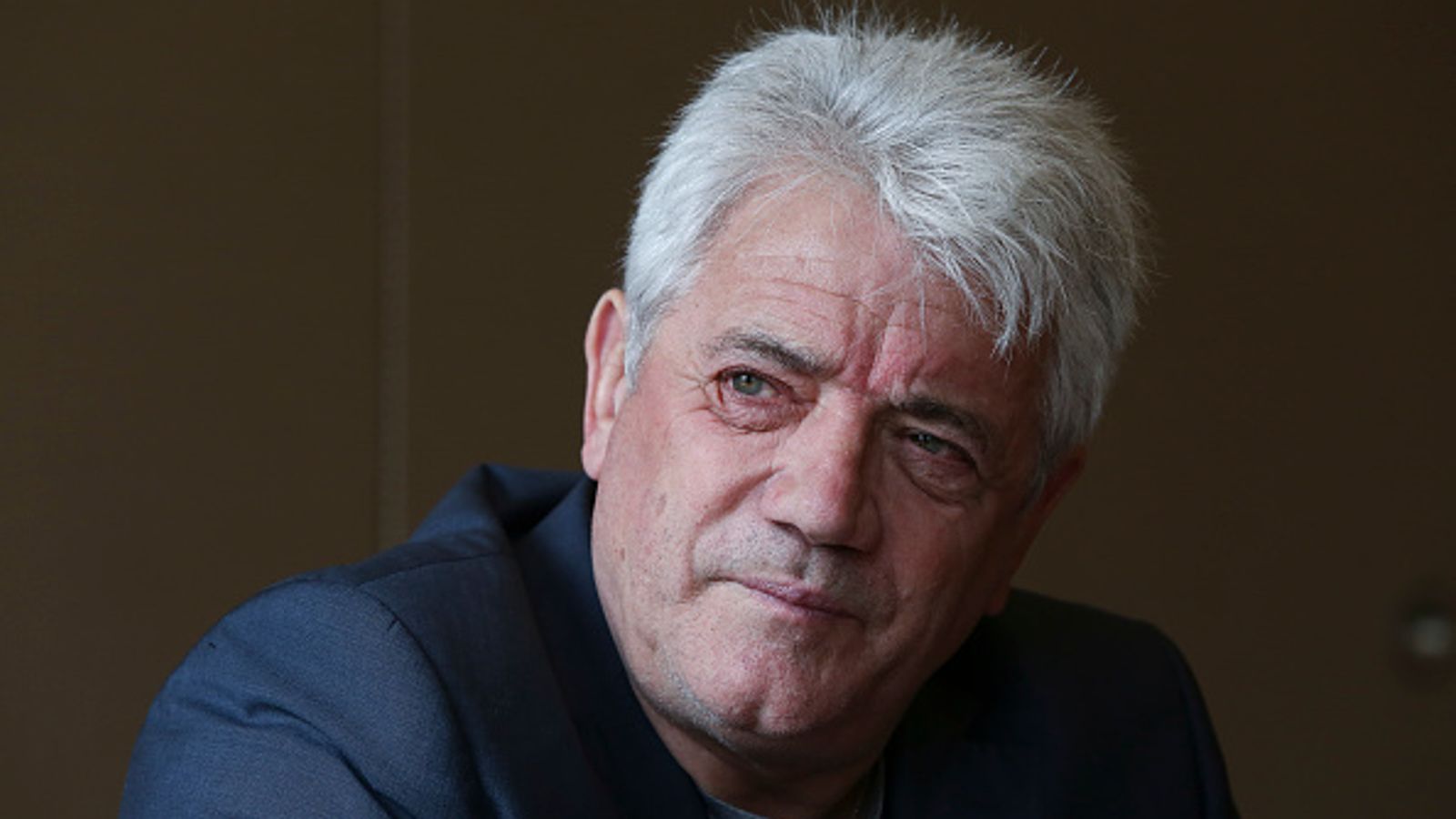
1. Kevin Keegan’s 'I would love it' rant, 1996
Kevin Keegan’s infamous live television outburst remains the gold standard for managerial pressure-cracking. Following a tense 1-0 win over Leeds United on April 17, 1996, the Newcastle United boss openly confronted Sir Alex Ferguson’s mind games. He shouted he would love it if the Magpies beat Manchester United to the title, a desperate plea that backfired spectacularly. It ranks first because it marked the literal breaking point of a title race, a moment of profound vulnerability captured in real-time that would never occur in today's media-managed PR environments.
2. Sergio Aguero’s 93:20 winner, 2012
The final day of the 2011-12 season saw Manchester City trailing QPR 2-1 as the clock ticked into stoppage time. City needed a win to pip Manchester United on goal difference, a task that looked impossible until Edin Dzeko scored. Then came Aguero, finishing past Paddy Kenny to secure the 3-2 victory. This remains the most dramatic conclusion in top-flight history, relegating United’s win over Sunderland to a cruel footnote.
3. The 1999 Champions League Final
Manchester United’s injury-time turnaround in Barcelona serves as the ultimate example of persistence overriding technical mediocrity. Trailing 1-0 to Bayern Munich for nearly the entire match, Teddy Sheringham and Ole Gunnar Solskjaer scored in the 91st and 93rd minutes. It was a statistical impossibility that solidified the Treble, though skeptics correctly point out that Bayern’s collapse was as much about Munich’s mental fatigue as it was United’s heroics.
4. Leicester City wins the Premier League, 2016
Claudio Ranieri’s side started the season as 5000-1 outsiders to capture the title. They finished ten points clear of Arsenal, winning 23 matches and losing only three. By ignoring the traditional hierarchy of the Big Six, they proved that a cohesive defensive structure could systematically dismantle expensive squads. It ranks here because it is a once-in-a-century statistical anomaly.
5. Arsenal’s Invincibles, 2004
Finishing a top-flight campaign without a single defeat is a feat of mental endurance that remains unmatched in the modern era. Arsene Wenger’s side didn’t just play with precision, they played with a psychological dominance that made opponents feel defeated before kickoff. Managing 26 wins and 12 draws, the 2003-04 squad proved that perfection was achievable over 38 games. It is a testament to consistency that no other side has even come close to replicating.
6. Steven Gerrard’s slip, 2014
This entry serves as a sobering reminder of how quickly narratives can collapse under the weight of expectation. Liverpool sat atop the table, needing only a result against Chelsea to effectively seal their first title in over two decades. Gerrard’s unfortunate slip allowed Demba Ba the clean break to make it 0-2, destroying Liverpool’s momentum. It is ranked lower because of its tragic nature, yet it remains the pivot point that defined a decade of Anfield heartbreak.
7. England’s 1966 World Cup triumph
Geoff Hurst’s hat-trick against West Germany at Wembley provided the nation with its only major international trophy. While the validity of the second goal remains a point of contention among historians, the win itself changed the trajectory of the sport in England. It sits at seven because it is purely historical; it lacks the tactical nuance or club-level consistency of the moments above it.
8. Tony Adams scores to win the title, 1998
The image of Arsenal’s stoic captain marauding into the box to lash home a finish against Everton on May 3, 1998, is defining for a reason. Wenger needed an emphatic statement to displace United, and Adams provided it. It wasn't just a goal; it was the symbol of an old-school defensive leader evolving in an attacking system. It ranks here because it perfectly encapsulated the transition from the George Graham era to the new style of modern football.
9. Eric Cantona’s chip at Sunderland, 1996
Cantona’s technique was often questioned, but his 1996 chip against Sunderland was pure arrogance translated into skill. The audacity to loop the ball from the edge of the box with such casual intent defined the Frenchman’s influence on the league. While technically brilliant, it ranks lower than the title-deciding moments because it was an individual highlight rather than a season-defining structural shift.
10. The formation of the Premier League in 1992
This is the institutional moment that changed the economics of the entire sport. By breaking away from the Football League, the top clubs unlocked massive broadcasting revenues. Critics have long argued that this event accelerated the wealth gap between the elite and the lower tiers, causing damage to the foundational health of domestic football. It is the most important administrative moment, even if it lacks the poetic drama of a last-minute strike.
The Big Picture
These moments track the evolution of football from a regional pastime to a global industrial machine. While we mourn the loss of legends like Kevin Keegan, it is necessary to acknowledge that the game continues to sprint forward. The shift toward higher data reliance and specialized recruitment, seen in the recent Chelsea and United moves, ensures that future moments will likely be defined by financial efficiency rather than pure passion.
Honorable Mentions
Roy Keane’s dominating performance in Turin (1999), Sol Campbell’s controversial move to Arsenal (2001), and the final day survival of Portsmouth (2005) all narrowly missed the cut. Each provided significant friction, but ultimately failed to match the sheer weight of the top ten.