The European ceiling for Serie A heavyweights
The Europa League often functions as a purgatory for Italian giants, a competition that demands depth and tactical discipline rarely found in squads built for the domestic grind. As La Gazzetta dello Sport recently highlighted, both Milan and Juventus arrive at this season's threshold as primary contenders. However, the prestige of the trophy rarely compensates for the physical toll of Thursday-to-Sunday scheduling.
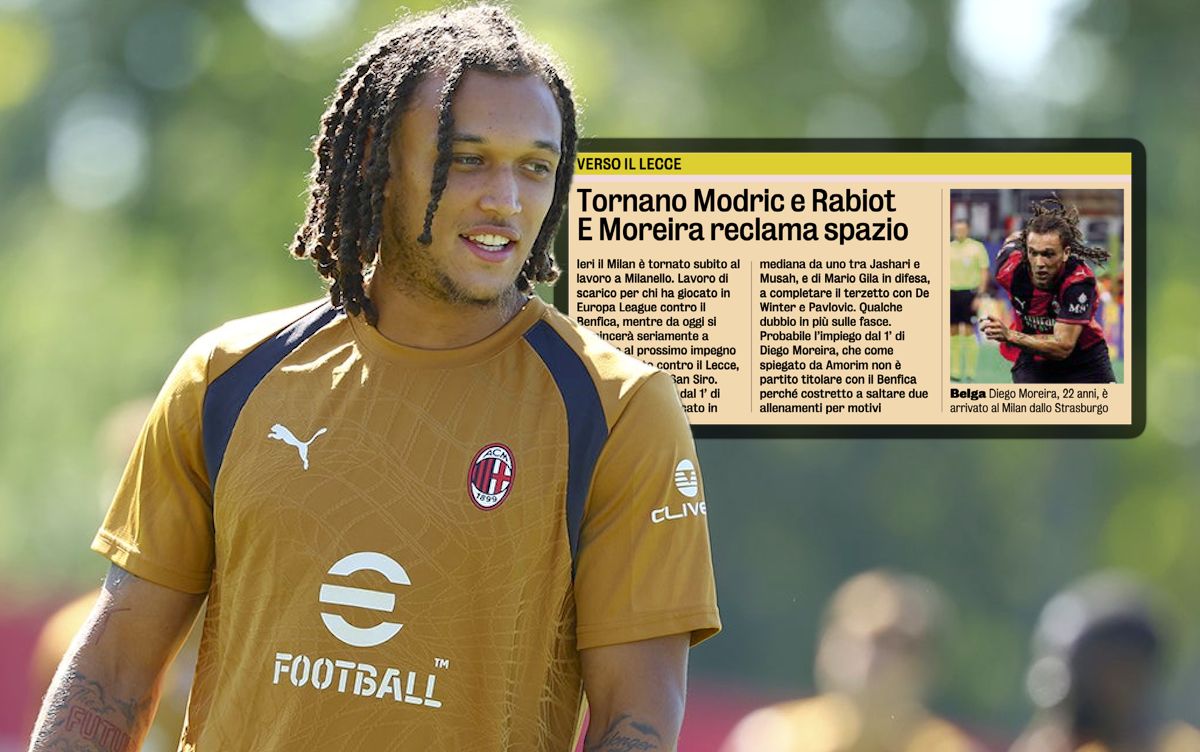
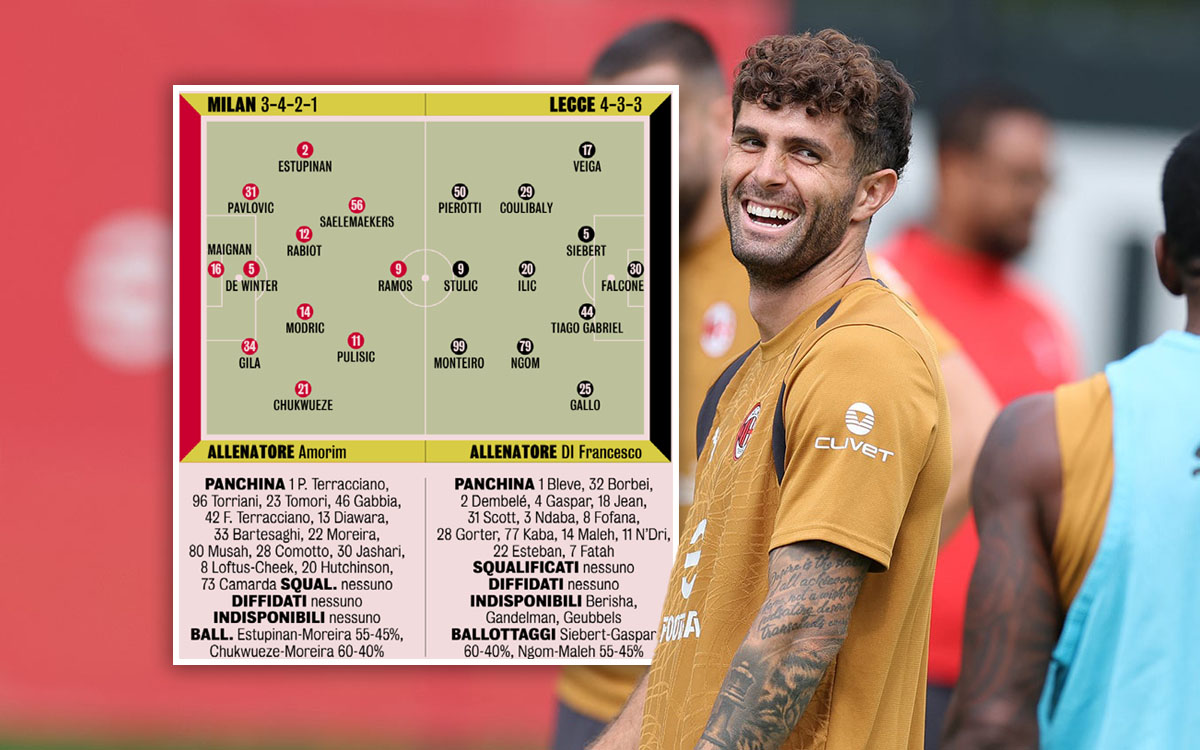
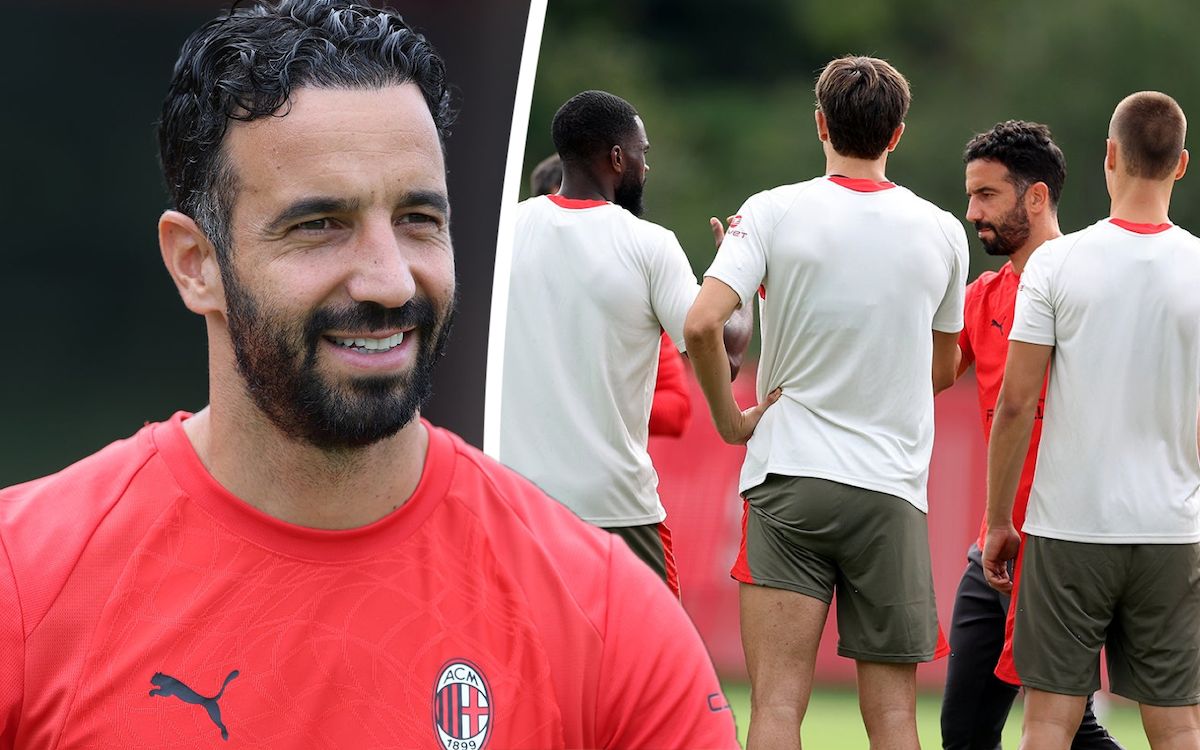
Milan's setup under Ruben Amorim continues to fascinate. The transition to a high-intensity, vertical style has yielded results, but it remains a work in progress. When the press fails to trigger effectively, the gaps between the defensive line and the midfield pivot become alarming. The 3-4-2-1 structure relies heavily on the wing-backs providing width, yet their inability to track back against elite transition teams remains a recurring vulnerability.
Tactical friction and defensive fragility
Amorim’s obsession with verticality is a double-edged sword. While the speed of progression into the final third is high, it often leads to reckless turnovers in the middle of the park. Reports from Italian media confirm that while possession metrics are healthy, the lack of composure during sustained opponent pressure in the 60th to 80th-minute bracket is a glaring oversight.
Juventus brings a different set of problems. Their reliance on tactical rigidity means that when they go behind, the comeback path is rarely fluid. They lack the improvisational flair required to break down a low block in European competition. Watching their recent fixtures, the creative output from central areas is insufficient, often forcing play into wide positions where crossing accuracy dips significantly below the 30 percent mark.
The Rangers cautionary tale
The volatility of this competition was on full display when Rangers suffered a setback against Jagiellonia. The result serves as a stark reminder that name recognition does not dictate European progression. Rangers failed to manage the pace of the game, conceding twice during moments where their defensive organization lost all cohesion.
For Milan and Juventus, the upcoming campaign requires a shift in mindset. It is not enough to simply control possession. They must learn to suffocate games when they lead. If Milan continues to leave the back three exposed during offensive surges, they will find themselves eliminated long before the quarter-final stages.
The Verdict
My prediction for the group stages is a reality check for the Italian contingent. While Juventus will likely grind out results through sheer defensive willpower, they will struggle to top their group. Milan, conversely, will provide high-scoring thrillers but will likely drop points in away fixtures where their verticality leaves them chasing shadows on the counter-attack. Expect an early exit for one of them by the round of 16 if defensive rotations aren't addressed by October.
Read Next
- Milan's pre-season derby showed the tactical work ahead for Ruben Amorim
- Milan are dismantling the midfield and chasing ghosts
- Luka Modric clears medical hurdle for Milan derby
- Luka Modric back for Milan derby after injury scare tests Redneri squad depth
- ⚽ Serie A 2025-26 — Title Race Hub (Inter, Napoli, Juve, Milan)
- 🏆 Europa League Final 2026 — Full Coverage Hub