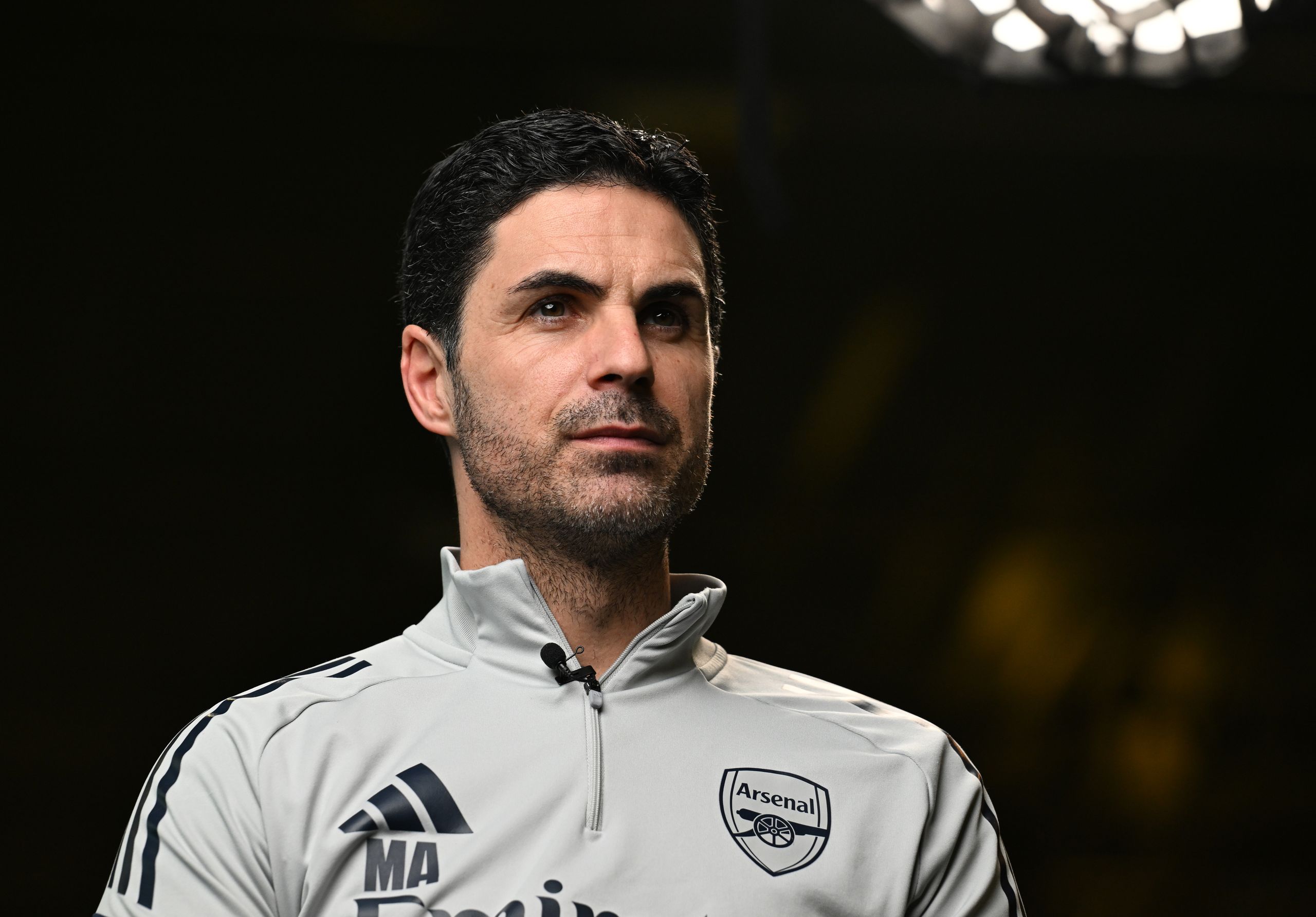
Modric clears medical protocols ahead of Derby della Madonnina
Luka Modric has returned to full training for AC Milan ahead of their crucial derby clash against Inter, providing a massive boost for manager Ruben Amorim's side. The veteran midfielder had been sidelined following a soft-tissue strain, raising concerns over his availability for one of the biggest fixtures on the Serie A calendar. Club doctors cleared Modric after he completed full session workloads without reaction on Thursday morning.
Amorim's tactical framework relies heavily on Modric's distribution and tempo control in central midfield. Losing him for an extended stretch would have forced radical adjustments to Milan's rotation, especially with domestic and European commitments piling up. Sources inside the Milanello training complex indicate Modric took part in high-intensity tactical drills, confirming his readiness to start or play significant minutes.
Midfield depth tested as Milan navigate tight scheduling demands
The scare surrounding Modric highlights the thin line Milan are walking in terms of squad fitness this season. At 40 years old, managing Modric's physical load is critical for Amorim's coaching staff. Earlier reports suggested a potential multi-week layoff, which would have seen him miss upcoming matches against key domestic rivals. However, fast-tracked rehabilitation and careful load monitoring allowed the Croatian playmaker to avoid a prolonged stint on the training table.
Former Milan winger Jens Petter Hauge recently reflected on the physical and tactical demands of playing under top managers in Italy, noting that player availability often dictates high-stakes derby outcomes. As Hauge discussed in his recent interview, squad depth and proper recovery protocols remain paramount when balancing competition objectives.
Broader competitive impact and Serie A fitness trends
Modric's prompt recovery prevents what could have been a serious disruption to Milan's tactical identity. Inter have pushed high-intensity pressing systems that punish shorthanded midfields, making Modric's press resistance essential. Meanwhile, transfer moves across Europe show clubs investing heavily in dynamic physical profiles to combat mounting injury lists. For instance, Chelsea completed a £47m move for speedster Marco Palestra after the Italian youngster chose Stamford Bridge over Inter Milan.
Across modern football, soft-tissue injuries continue to plague clubs operating on packed schedules. Milan's medical department has adjusted recovery protocols this summer, incorporating tailored recovery cycles for veteran squad members. Modric's quick return suggests those adjustments are already paying dividends. While Arsenal explore market opportunities such as a potential move for Chelsea youngster Josh Acheampong to bolster defensive options, Milan must rely on existing experience and precise medical management to navigate their upcoming fixtures.
Historical precedent: Managing veteran minutes in high-stakes clashes
This is far from the first time Milan have had to navigate mid-season fitness hurdles with key starters. In previous campaigns under Stefano Pioli, muscle injuries plagued the squad during winter pile-ups, costing crucial points in title races. Amorim is determined not to repeat those structural mistakes. By strictly monitoring Modric's GPS training data and restricting his mid-week workloads, the medical staff aims to keep him fresh through spring.
The return of Modric means Amorim can field his preferred midfield trio against Inter, preserving tactical continuity. Had Modric failed his fitness check on Thursday, Milan likely would have pivoted to a more reactive double-pivot system. Instead, the Rossoneri enter the derby at full strength in central park, ready to test Inter's defensive structure from the opening whistle.
Read Next
- Luka Modric clears medical hurdle for Milan derby
- Milan's pre-season derby showed the tactical work ahead for Ruben Amorim
- Milan are scrambling to finalize their defensive and midfield reinforcements
- AC Milan’s transfer strategy has officially hit the wall
- 🇭🇷 Croatia World Cup 2026 — Modrić's Farewell
- ⚽ Serie A 2025-26 — Title Race Hub (Inter, Napoli, Juve, Milan)